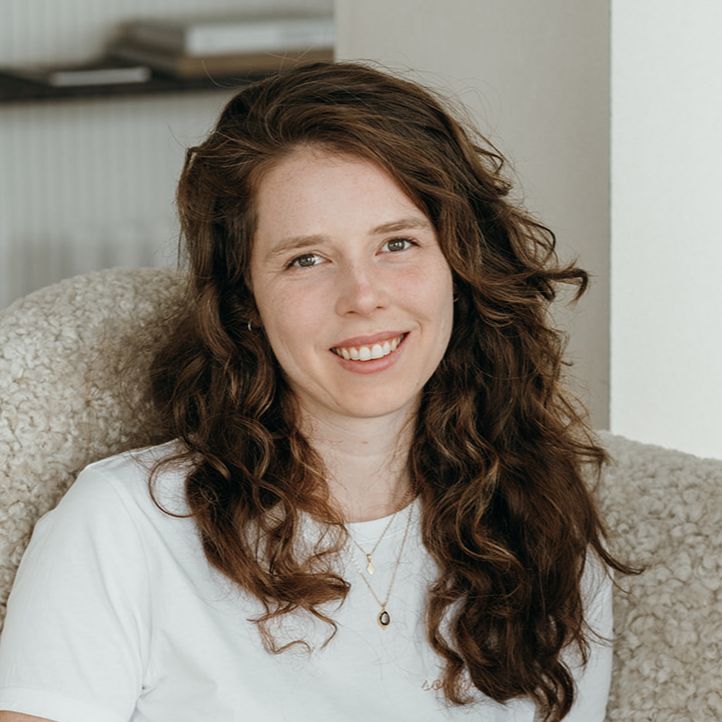
Changeworker of the Week #28: Puneet Singh Singhal Centering Disability Justice in Climate Action
Mar 13, 2026
For Puneet Singh Singhal, climate justice cannot be separated from disability justice. As Founder of Green Disability, Puneet is building a framework that centers disabled, neurodivergent, and chronically ill people within climate and environmental justice - not as an afterthought, but as essential infrastructure.
Through the #MyPieceForChange campaign, we invite people to share their unique contributions to collective transformation. This series exists to honor their stories, amplify their voices, and connect them with a wider community of like-minded peers. Today, we’re honored to introduce our Changeworker of the Week: Puneet Singh Singhal whom we had the pleasure of interviewing for this special spotlight.
What’s your piece for change?
My piece for change is Green Disability, a framework and movement that centres disabled, neurodivergent, and chronically ill people within climate and environmental justice. It challenges the idea that climate change is neutral or universal, and instead exposes how environmental crises are shaped by access, care, and systemic exclusion. Green Disability treats lived experience as evidence and positions disability justice as essential climate infrastructure.
What inspired you to begin this work or stay committed to it?
This work comes from lived reality. I grew up navigating poverty, domestic violence, and multiple non-apparent disabilities in environments already strained by heat, pollution, and neglect. I learned early that when systems collapse during heatwaves, power cuts, floods, it is disabled people who are left without safeguards. I stay committed because climate change is accelerating faster than inclusion, and silence is no longer an option.
What’s one hope or vision you hold for the future?
I envision a future where climate action is designed with disabled people from the start, not added later as an afterthought. A future where care, accessibility, and interdependence are seen as strengths, and where resilience is measured not by speed or productivity, but by who is protected when conditions become unlivable.
What support or connection are you currently looking for?
I’m seeking meaningful collaboration with climate practitioners, policymakers, researchers, and funders who are willing to embed disability justice into climate planning not symbolically, but structurally. I’m especially interested in partnerships that value community-led knowledge from the Global South.
What’s one thing about your field or topic you wish more people knew, considered, or acted on?
Disabled people are not “vulnerable” by nature, we are made vulnerable by design. Climate impacts become deadly when access, energy dependence, healthcare, and caregiving are ignored. Inclusion is not charity; it is prevention.
What practices, tools, or resources have supported you most on your changework journey?
Listening has been my most powerful tool. Alongside that, disability justice frameworks, trauma-informed practice, storytelling as data, and community archiving have shaped my work. I draw strength from disabled-led writing, grassroots movements, and collective spaces that prioritise care over performance.
Can you share a moment or experience that deeply shaped the way you approach change today?
During extreme heat events, I’ve witnessed how quickly dignity disappears when systems fail when electricity cuts off medical devices, when transport shuts down, when care networks collapse. Those moments taught me that urgency without inclusion is violence. Change must be slow enough to include everyone, even in emergencies.
What collective shift do you believe is needed for meaningful change to happen and what gives you hope that it’s possible?
We need a shift from extraction to care from solutions that optimise efficiency to systems that prioritise survival and dignity. What gives me hope is the growing number of disabled people refusing to be invisible, documenting their realities, and reshaping global conversations with courage and clarity.
How do you take care of your own energy or wellbeing while doing this work?
I practice pacing, rest, and intentional withdrawal from urgency culture. I ground myself in writing, listening, and community. I remind myself that sustainability applies to people too, not just policies.
Where can people learn more about your work or connect with you?
People can connect with me through my writing, speaking engagements, and advocacy work around Green Disability. I’m most active on LinkedIn and through collaborative platforms focused on disability justice, climate action, and human rights.
The Parayma community is rooted in authentic, supportive relationships.
Puneet’s work challenges us to rethink climate resilience entirely.
If you work in climate planning, policy, research, or funding and are ready to embed disability justice structurally, consider connecting!
Thank you, Puneet, for your powerful #PieceForChange.
Ready to share yours?
Submit your story and join the movement.
Seed, Root, Bloom, or Harvest?
Take the Quiz!
A short reflective quiz to find your season of changework.
Subscribe to The Changework Journal
Get first access to new offers, free or discounted tickets to events Nora speaks at, exclusive access to funding opportunities we source from our network (not shared anywhere else on our channels), and more!