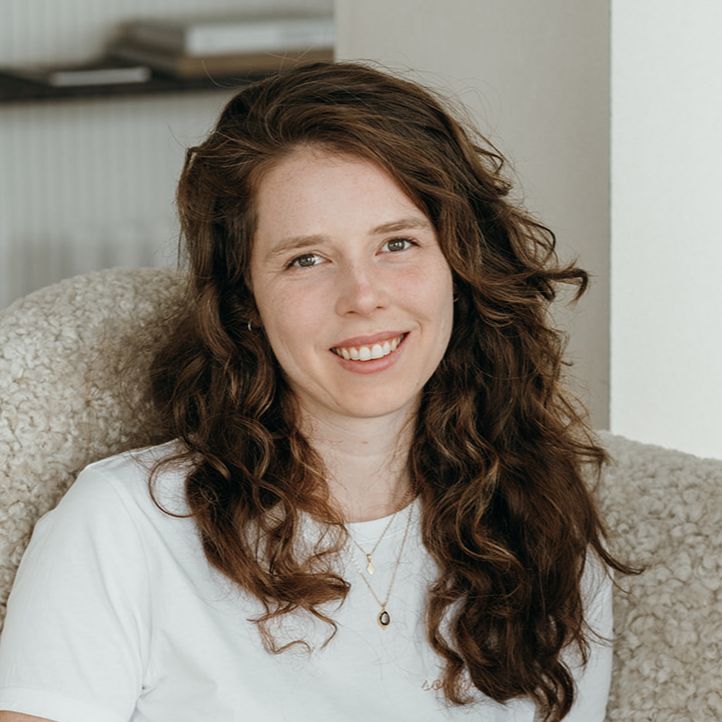
Changeworker of the Week #36: Esther Anyona Murunga, Public Health Researcher from Kenya
May 22, 2026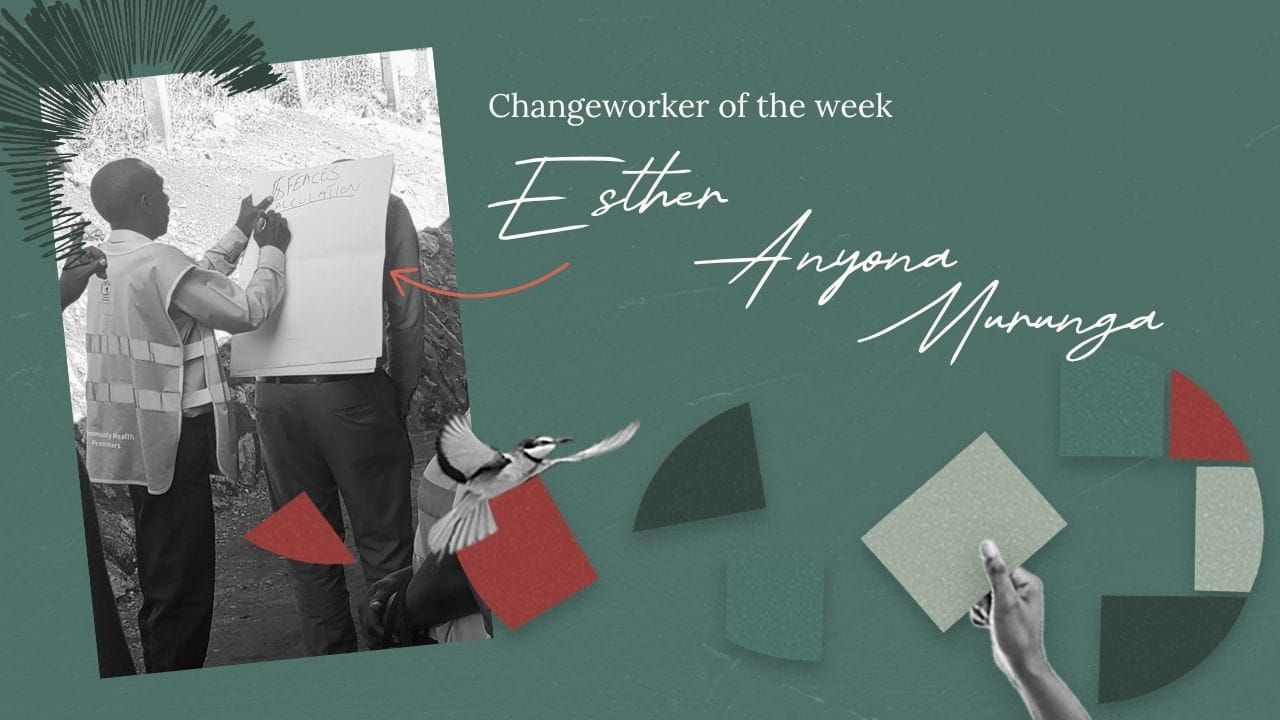
For Esther Anyona Murunga, research is not meant to live only in journals or academic spaces. It should improve people’s lives. As a Public Health Researcher from Kenya, Esther is committed to strengthening evidence generation across Africa: building systems that produce credible, locally grounded research capable of shaping healthcare policy and improving health systems performance.
Her work sits at the intersection of public health, systems thinking, and equity: asking not only what knowledge is produced, but who gets to produce it and whose realities it reflects.
Through the #MyPieceForChange campaign, we invite people to share their unique contributions to collective transformation. This series exists to honor their stories, amplify their voices, and connect them with a wider community of like-minded peers. Today, we’re honored to introduce our Changeworker of the Week: Esther Anyona Murunga whom we had the pleasure of interviewing for this special spotlight.
What’s your piece for change?
My piece of change is to proactively and sustainably strengthen evidence generation in Africa, building robust systems that produce high-quality, locally grounded research to inform healthcare decision-making and improve health systems performance.
What inspired you to begin this work or stay committed to it?
What first pushed me into this work was circumstance. I started in academic writing to make a living, but over time, working on hundreds of papers exposed me to the gap between research and real life. I was constantly engaging with important topics, but I could see how disconnected much of that work was from actually improving people’s lives. This pushed me to move into public health practice, where I saw how systems are designed to protect people, yet still fail them in practice. The glaring challenges were just so difficult to ignore. What keeps me committed is the belief that research can help shift systems when it is grounded, credible, and connected to implementation. I want to be part of building that kind of research and to create pathways for other young African researchers to do the same.
What’s one hope or vision you hold for the future?
One hope I hold for the future is to see healthcare systems in Africa that actually work for the people they are meant to serve, such that no one has to choose between their health and their finances, especially at critical moments like childbirth. I also hope to see a stronger culture of locally driven research across the continent, where African researchers are actively shaping policies and systems within their own contexts. Ultimately, I want to be part of building a future where evidence is produced and used to meaningfully inform decisions, and where young African professionals have real pathways to contribute to that process.
What support or connection are you currently looking for?
Right now, I am looking for mentorship in organisational structuring and funding. As I work toward building the Africa Youth Research Network, I am really trying to understand how to design a strong, sustainable organisation. I am also looking for guidance on navigating funding, how to position the work clearly, build partnerships, and access resources in a way that supports both impact and sustainability.
What’s one thing about your field or topic you wish more people knew, considered, or acted on?
I wish more people understood how critical research is to solving Africa’s challenges. The continent carries a disproportionate share of the global disease burden yet contributes only a small fraction of global research output. Without strong, locally driven research, we rely on imported solutions that don’t fully work in our contexts. Investing in African research is essential to developing healthcare solutions that are relevant, effective, and sustainable.
What practices, tools, or resources have supported you most on your changework journey?
Reading has been one of my strongest tools. I spend a lot of time engaging with peer-reviewed research and healthcare non-fiction, especially through my MSc in One Health at the University of Edinburgh. It helps me think more critically about complex systems. I also journal regularly to reflect and unpack my thinking, which has been important in navigating my work. Outside of that, I stay grounded by spending time in nature through walks, hikes, and swimming, and I watch documentaries to better understand how global and local systems interact.
Can you share a moment or experience that deeply shaped the way you approach change today?
Working in the nonprofit space has challenged and reshaped how I approach change. I have seen how funding pressures can sometimes shift the focus from impact to outputs that are more donor-friendly, and that was difficult to reconcile with why I entered this field. It pushed me to be more intentional about the spaces I choose to be part of. I am now focused on work that stays grounded in improving people’s lives, even when that is slower, less visible, or more complex.
What collective shift do you believe is needed for meaningful change to happen and what gives you hope that it’s possible?
I believe a key shift needed for meaningful change is making empathy a core value in how we design systems and make decisions. Too often, policies and solutions are created at a distance from the people they affect, which is how gaps and inequities persist. Empathy goes beyond feeling to understanding people’s realities and allowing that to shape action. What gives me hope is that more people are beginning to question existing systems and engage with perspectives different from their own. As this openness grows, I think there is real potential to build systems that recognise our shared vulnerability, that none of us is truly well until everyone has access to dignity, care, and opportunity.
How do you take care of your own energy or wellbeing while doing this work?
I tend to return to the same practices that have supported me over time: reading, journaling, spending time in nature, and watching documentaries. I have also found music to be really grounding.
Where can people learn more about your work or connect with you?
People can connect with me and learn more through:
-
My professional articles can be found on Linktree
-
If anyone would like to pick my brain further, my Substack would be a good place for that.
The Parayma community is rooted in authentic, supportive relationships.
Esther’s changework reminds us that meaningful systems change requires locally rooted knowledge, empathy, and the courage to question how things have always been done.
Thank you, Esther, for your thoughtful #PieceForChange.
If you are working to build more equitable systems in healthcare, research, or community wellbeing, we invite you to share your story and join the movement.
Seed, Root, Bloom, or Harvest?
Take the Quiz!
A short reflective quiz to find your season of changework.
Subscribe to The Changework Journal
Get first access to new offers, free or discounted tickets to events Nora speaks at, exclusive access to funding opportunities we source from our network (not shared anywhere else on our channels), and more!