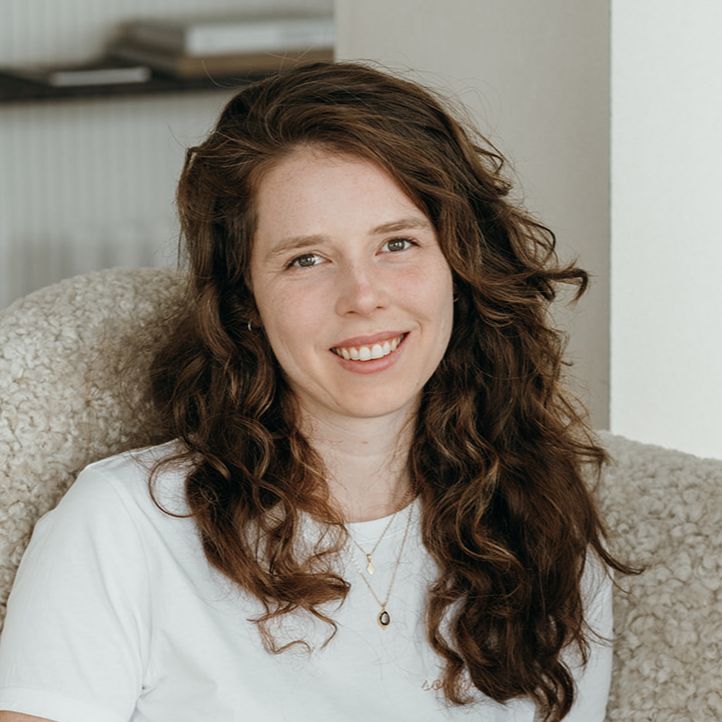
Changeworker of the Week #29 Erfan Firouzi: A Storyteller for the Wild
Mar 27, 2026
Erfan Firouzi, storyteller for the wild and intergenerational advocate for biodiversity, believes that the future of the planet depends on something deeply human: our ability to reconnect with the living world.
Through founding The Wildlife Focus, authoring The Year Earth Changed, hosting the Nature Talks Podcast, and representing youth voices at global gatherings such as UNFCCC COP conferences, Erfan works to ensure biodiversity is not treated as a footnote in climate conversations, but as their foundation. His mission is simple yet profound: reconnect people with the living world. Because when we understand and care for biodiversity, we protect the story of life itself.
Through the #MyPieceForChange campaign, we invite people to share their unique contributions to collective transformation. This series exists to honor their stories, amplify their voices, and connect them with a wider community of like-minded peers. Today, we’re honored to introduce our Changeworker of the Week: Erfan Firouzi whom we had the pleasure of interviewing for this special spotlight.
What’s your piece for change?
If we pause, just for a moment, and listen closely… we can still hear the heartbeat of the natural world. My piece for change is biodiversity — the intricate, ancient web of life that binds forests, oceans, deserts, and cities into one living system. Through founding The Wildlife Focus, authoring The Year Earth Changed, hosting the Nature Talks podcast, and representing youth voices at global gatherings such as UNFCCC COP conferences, I work to ensure that nature is not a footnote in climate conversations but the foundation. My mission is singular: to reconnect people with the living world. Because when we share stories, understand, care and protect biodiversity, we protect the story of life itself.
What inspired you to begin this work or stay committed to it?
As a child, I was captivated by beetles beneath stones, looking for crabs in creeks, and tracing gazelles in the desert. My journey began at the age of ten, collecting specimens, studying ecosystems, and asking questions about how life persists against the odds. The words and work of pioneers such as Dr Jane Goodall showed me that one person, armed with hope, patience and curiosity, can indeed shift the course of history. But it was witnessing biodiversity loss firsthand, coral reefs bleaching, mangroves threatened, species disappearing quietly but also the lack of care and disconnection of people to nature, that transformed fascination into responsibility. I remain committed because this is ensuring that the children of tomorrow inherit a world still filled with birdsong.
What’s one hope or vision you hold for the future?
My hope is rooted in something very simple and yet extraordinarily powerful: the resilience of nature, and the indomitable spirit of young people. Over the decades, we have so often been reminded that nature can recover if we give it a chance. Forests can regenerate. Rivers can run clear again. Even species once on the brink can return when compassion is paired with action. I hold a vision of a future where communities everywhere from great cities to small villages understand that every choice, they make has an impact. A world where children grow up not disconnected from the natural world, but deeply in love with it. Because when we truly love something, we protect it.
What support or connection are you currently looking for?
I am seeking collaboration between scientists, educators, and storytellers particularly those working at the intersection of biodiversity, climate resilience, and youth leadership. But most importantly looking to reach more people. Support for expanding Biodiversity Bootcamps, scaling citizen science initiatives, and strengthening research on ecosystem restoration would allow this work to ripple further. Because lasting change happens when knowledge meets collective will.
What’s one thing about your field or topic you wish more people knew, considered, or acted on?
I wish more people understood that the Earth is a living body. Biodiversity is its organs. The forests are its lungs, breathing in carbon and exhaling the oxygen that sustains us. The rivers are its veins, carrying life-giving water across continents. Wetlands are its kidneys, filtering impurities and cleansing what would otherwise poison the system. Coral reefs are like the immune system, protecting coastlines and nurturing countless forms of life. Soil, alive with fungi, bacteria, and insects, is the Earth’s skin regenerating, protecting, sustaining. And species from the smallest pollinating bee to the largest whale are the cells that keep this great body functioning in delicate harmony. When biodiversity declines, it is not an isolated event. It is organ failure. We often speak of environmental crises as though they are external to us. But if the rivers are the planet’s veins, then pollution is a toxin in its bloodstream. If forests are its lungs, then deforestation is suffocation. Through my work I strive to communicate this simple truth: we are not separate from this living body, we are a part of it. And just as in any living organism, healing is possible. But only if we recognize the symptoms, respect the system, and choose restoration over extraction.
What practices, tools, or resources have supported you most on your changework journey?
My changework journey has been shaped by a combination of science, storytelling, and something far less tangible; hope. At its foundation is observation. Spending time in nature, learning to sit quietly and truly notice the extraordinary creature hidden in plain sight has been my most powerful teacher. This practice, echoed so profoundly in the work of Jane Goodall, reminds me that lasting change begins with understanding and respect. Storytelling has been another essential tool. The films and documentaries of David Attenborough, showed me how science gains power when paired with narrative and emotion. Books such as The Year Earth Changed (which I later wrote from my own perspective) and conservation literature grounded in lived experience helped me see communication not as an accessory to science, but as a responsibility. Frameworks like rewilding, nature-based solutions, and citizen science have guided my practical work offering ways to translate concern into action. Equally important have been people and communities: mentors, fellow young changeworkers, scientists, and educators who believe that youth are not “leaders of tomorrow,” but leaders of today. Being part of global movements like Roots & Shoots and biodiversity youth networks has reinforced that no changework happens alone. Ultimately, the greatest resource has been hope, the belief that informed, compassionate action can still heal what has been harmed. Hope, when practiced daily, becomes a discipline. And that discipline has carried me forward.
Can you share a moment or experience that deeply shaped the way you approach change today?
It’s difficult to point to a single moment in nature because, truthfully, the things happen constantly. Every time I step into a forest and notice a new insect species, I have not seen before, every time I observe a bird adapting to an urban landscape, every time I witness both beauty and disturbance side by side, the lesson deepens. Nature is always teaching. The more closely I observe, the more I understand how delicate and interconnected everything is. But if there is one experience that crystallized those lessons into purpose, it is working with Roots & Shoots and meeting Dr. Jane Goodall. Having admired her work for years, meeting her in person was profoundly grounding. In that encounter, I realized that changework is driven by compassion sustained over decades. Working within Roots & Shoots further reinforced that change begins in classrooms, in local habitats, in small acts repeated by many. It begins with empowering young people to care. Since that experience, I approach change differently. I no longer ask only, “How do we solve this?” but also, “How do we cultivate hope while we solve it?”
What collective shift do you believe is needed for meaningful change to happen and what gives you hope that it’s possible?
I believe the most important collective shift we need is a movement from separation to interconnection. For too long, we have treated nature and each other as something external, a resource to extract, a backdrop to development, a commodity to price. Meaningful change will only happen when we shift from asking, “What can we take?” to asking, “How do we belong responsibly within this system?” This means integrating biodiversity into every decision as a foundation. It requires governments, corporations, and communities to recognize that environmental stability is the basis of all prosperity. What gives me hope is the rise of youth leadership and intergenerational collaboration. I also find hope in nature itself.
How do you take care of your own energy or wellbeing while doing this work?
Working in conservation can be emotionally heavy. You are constantly aware of urgency, loss, and the scale of the challenges ahead. For me, there are also challenges like lack of support, young age and others, so wellbeing begins with returning to the source: nature itself. Being outdoors reminds me that life is still unfolding, still adapting, still beautiful. I also protect time for reflection and creativity because storytelling transforms concern into purpose. It allows me to process what I witness and channel it constructively. Equally important is community. Surrounding myself with great people, mentors, fellow youth advocates, and organizations creates a shared sense of mission. Changework is lighter when it is collective. And finally, I hold onto hope intentionally. The kind that is built on evidence, collaboration, and persistence.
Where can people learn more about your work or connect with you?
-
Website: www.thewildlifefocus.com
-
Instagram: @firouzi.erfan
-
Linkedin: Erfan Firouzi
The Parayma community is rooted in authentic, supportive relationships.
Erfan’s work reminds us that biodiversity is not simply about protecting species: it is about protecting the living system we are part of.
Thank you, Erfan, for sharing your #PieceForChange.
If you feel called to contribute to a more regenerative and interconnected world, we invite you to share your story and join the movement.
Seed, Root, Bloom, or Harvest?
Take the Quiz!
A short reflective quiz to find your season of changework.
Subscribe to The Changework Journal
Get first access to new offers, free or discounted tickets to events Nora speaks at, exclusive access to funding opportunities we source from our network (not shared anywhere else on our channels), and more!