Seeing fish: Why welfare must be built in early
Jun 25, 2026
The moment I could no longer look away
I did not begin my career thinking I would spend it talking about fish welfare.
My training was in aquatic ecology. I cared about rivers, water quality and fish populations. Fish were indicators of environmental health, part of a system. Even when I handled them during monitoring work, they were still data points in a broader ecological story.
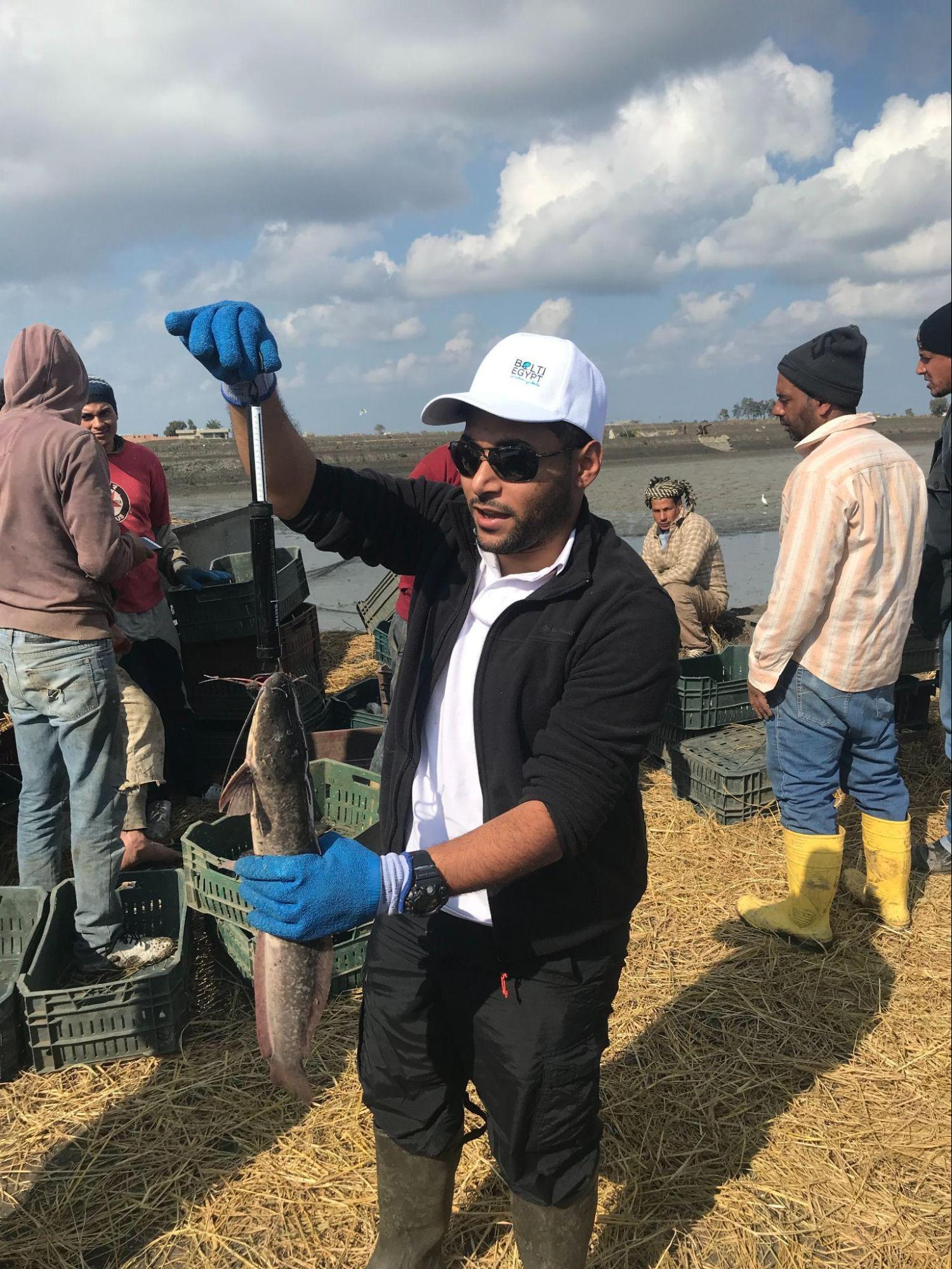
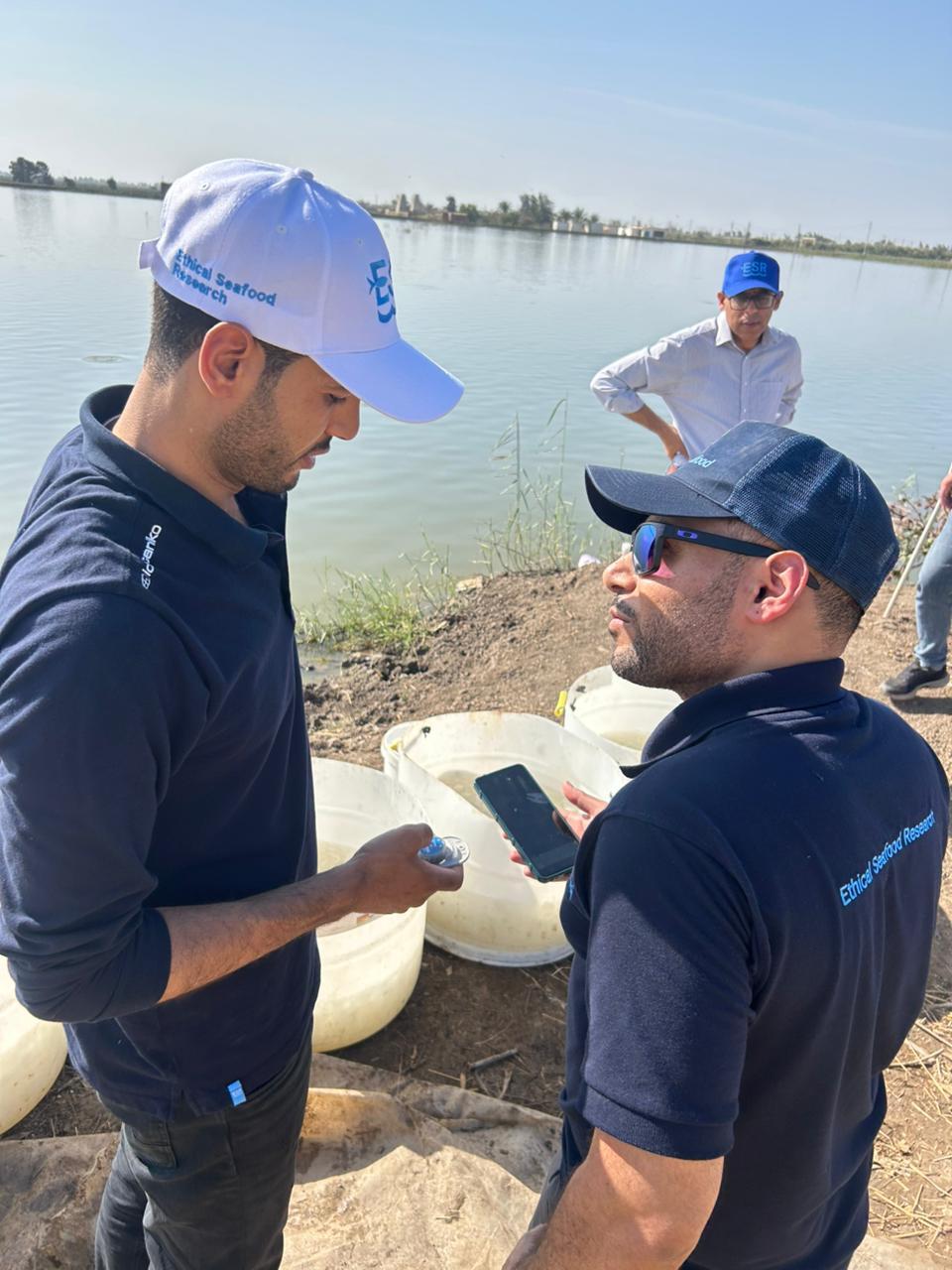
That began to change during my PhD, when I started working directly with tilapia farms in Egypt.
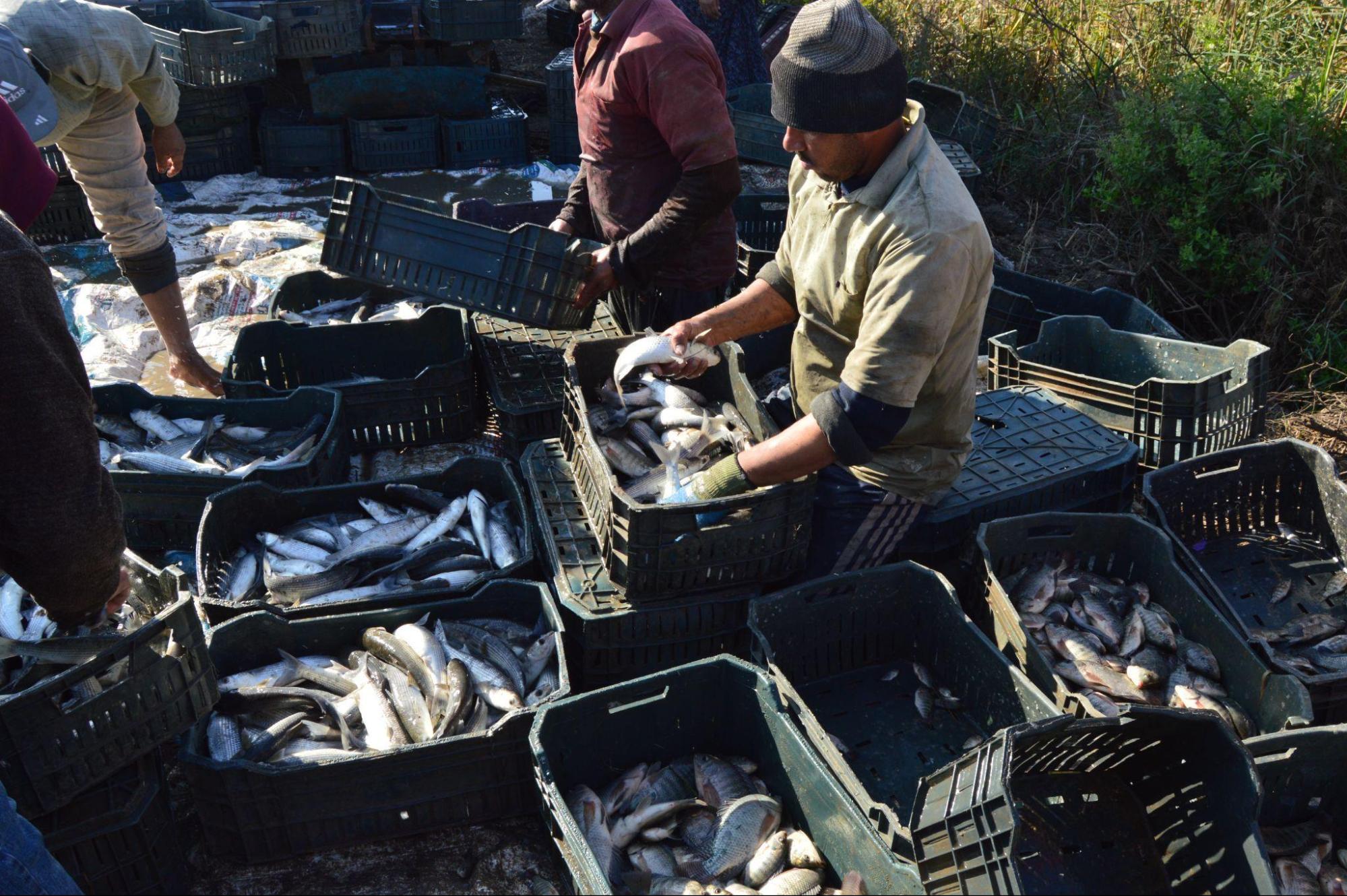
On paper, the task was straightforward. Assess welfare conditions. Collect data. Identify improvements. In reality, it meant long days on farms during harvest. Fish were crowded into nets, lifted into the air and sometimes left exposed before slaughter. They gasped and thrashed. It was not theatrical cruelty. It was routine and efficient.
What unsettled me was not that farmers were intentionally causing harm. Most were practical people working under intense economic pressure. What unsettled me was that no one in the system was really looking at the fish as animals experiencing something. The language of the farm was biomass, yield and mortality rates. The individual fish disappeared into aggregates.
I remember standing beside a pond during a harvest, watching fish struggle in air and thinking: this is normal, this is legal and this is invisible. The sound of bodies hitting plastic and the sharp smell of water and mud in the heat are details I still cannot forget.
The challenge for me was internal. I was there as a researcher. My role was to measure, not moralise. I could treat welfare as a minor variable in production efficiency, or I could centre it as the reason the work mattered. This was the choice I had to make.
At the time, it was tempting to tell myself that what I was seeing was simply part of the system. Every food system has trade-offs. Every production model involves compromise. It would have been easier to frame the discomfort as naivety, to focus on data collection and publish papers about welfare indicators without questioning the wider structure.
But the more time I spent on farms, the harder that detachment became. I began to notice how language shaped perception. When fish were discussed only in terms of tonnes and conversion ratios, it subtly removed the possibility of asking how they experienced the process. When stress was mentioned, it was usually in relation to flesh quality, not to suffering itself.
I realised that if I did not explicitly centre the animals, no one else in the room would. Not because they were indifferent, but because the system had trained everyone to optimise for something else (to maximise profit in a sector with variable profit margins).
That was the turning point. I stopped seeing welfare as a subsection of aquaculture. It was the missing lens through which the entire system had to be examined.
That decision gradually reshaped my trajectory. It changed the questions I asked and the partnerships I pursued. I realised that the real issue was not individual bad actors. It was structural invisibility. Fish welfare was absent from the systems that governed farming, from training materials and from market incentives.
If suffering is not measured, it is not managed. If it is not managed, it becomes normal.
That insight became the foundation of my work and eventually of Ethical Seafood Research.
I chose not to look away.
Making welfare practical
When we began working more intentionally in Egypt and later in Kenya and Tanzania, we did not arrive with accusations. We arrived with questions.
Farmers were not asking how to increase suffering. They were asking how to reduce losses, improve consistency and survive economically. Welfare, as a term, often sounded abstract or imported. In some conversations, it was met with polite confusion. In others, with skepticism. Why add another layer of complexity to an already difficult business?
Our shared challenge became clear: how do we make welfare practical?
We learned quickly that leading with moral language was rarely effective. But leading with observable indicators such as stress, injury, water quality and handling practices opened doors. When we could show that lower stress at harvest improved flesh quality, or that better water management reduced disease risk, the conversation shifted.
During one training session, after discussing indicators of stress in tilapia, a farm manager paused and said, “So this is not about giving fish luxurious conditions that even humans here don’t have. It is about being precise.” That’s a reframing that stuck with me.
Our collective choice was to embed welfare into existing systems rather than position it as an external critique. That meant rolling out practical tools such as FAI’s Tilapia Welfare App, integrating welfare metrics into training and engaging government departments on codes of practice.
One of the early lessons was how easily welfare conversations collapsed into abstraction. A farmer would nod politely when we spoke about sentience, but engagement increased when we walked through a pond together and identified specific indicators like fin damage, uneven feeding behaviour or dissolved oxygen fluctuations.
On one visit, after adjusting a handling practice to reduce air exposure during harvest, the farm team noticed a measurable reduction in post-harvest losses. That moment did more to legitimise welfare in their eyes than any theoretical argument I could have made.
Those small shifts accumulated. Welfare stopped being framed as an external demand and started being discussed as part of operational excellence. The language changed slowly. Precision replaced defensiveness. That change emerged from our shared learning process
It also meant patience. Change did not happen overnight. Some farms adopted improvements quickly. Others moved slowly. But over time, a shared understanding began to form. Welfare is not a luxury add-on. It is part of responsible production.
The “us” in this story includes farmers navigating tight margins, technicians translating science into practice and policymakers trying to regulate a rapidly growing sector. We are all operating within the same structural constraints.
I learned an important lesson from that collective experience. Systems do not change because one person is convinced. They change when multiple actors see alignment between values and incentives.
A defining moment for aquaculture
Aquaculture is the fastest growing animal farming sector in the world (FAO, 2024). Across many African countries, it is expanding rapidly as governments seek food security, employment and export revenue.
This is a pivotal moment.
Standards are being drafted. Training programmes are being designed. Markets are consolidating. Infrastructure is being built. The assumptions embedded now will shape the sector for decades.
The urgent question is this: will animal welfare be part of that foundation, or will it be treated as something to address later?
Historically, welfare has often followed scale rather than preceded it. Regulations emerge after public pressure. Standards tighten after crises. By that stage, infrastructure, supply chains and economic incentives are already locked in. Retrofitting welfare becomes expensive, politically contentious and easy to postpone.
In many Global South or low/middle-income contexts, aquaculture is still consolidating. Training institutions are forming. Extension services are evolving. Governments are drafting or revising codes of practice. International investors and development agencies are shaping what “modernisation” looks like.
This creates a rare alignment window. Norms are still fluid. Practices are not yet hardened. If welfare is integrated into these foundational layers, it becomes embedded in professional identity and institutional design.
If it is excluded now, it risks being framed permanently as an obstacle to growth.
The stakes are not abstract. The scale of fish farming means that even marginal improvements in handling, water quality management or slaughter practices can reduce suffering for millions of animals each year. Conversely, embedding narrow efficiency metrics without welfare considerations multiplies harm at the same scale.
There is another pathway.
If welfare is integrated early into training, into codes of practice and into monitoring tools, it becomes normal practice rather than regulatory burden. If farmers see it as part of quality and professionalism, it scales with the sector instead of lagging behind it.
This is not about achieving perfection overnight. It is about preventing avoidable suffering at scale. Small improvements, embedded early, can affect millions of animals.
The choice before us is concrete. Do we invest in building the infrastructure of care while the sector is still forming, or do we wait until harm is entrenched?
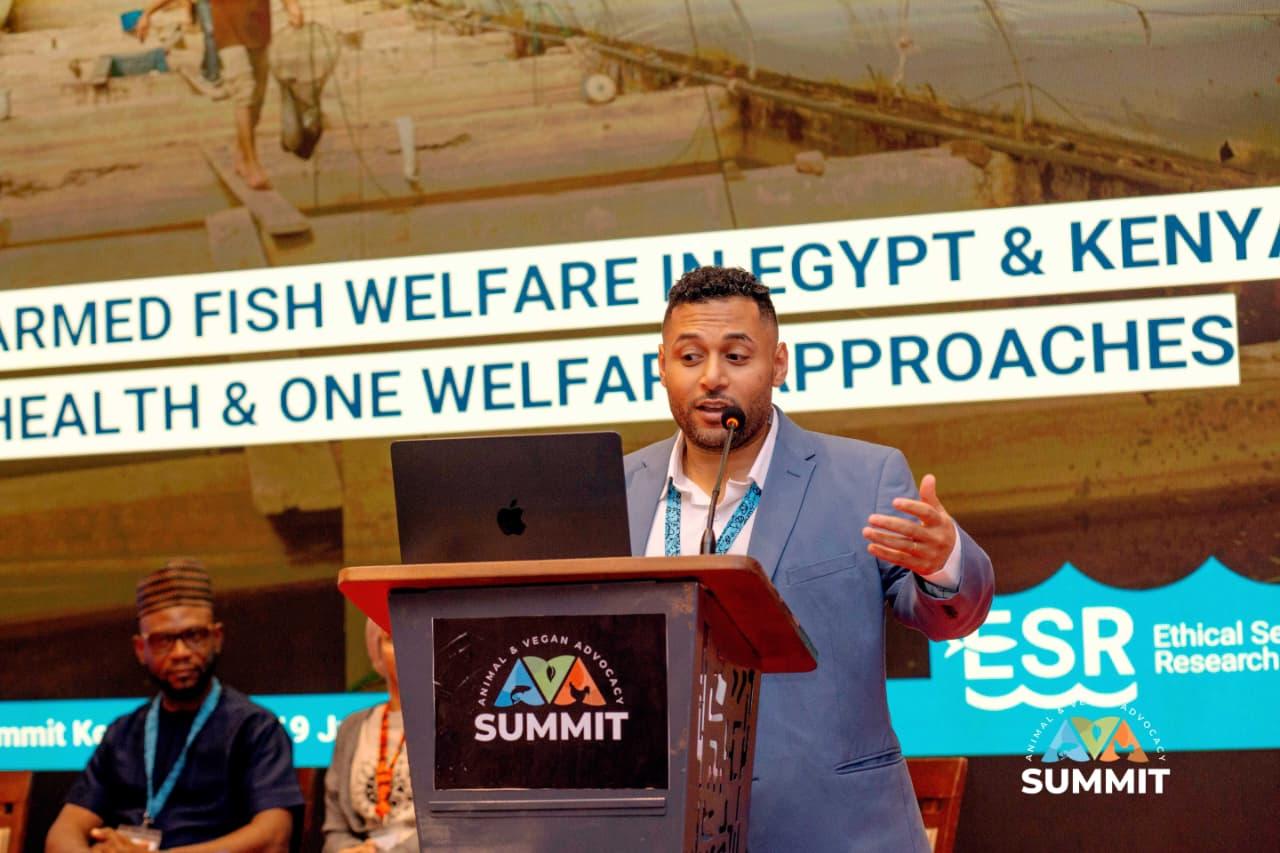
For me, the answer is clear. The work of Ethical Seafood Research is not simply to run projects. It is to build bridges between science, policy and practice so that animal welfare becomes legible inside real-world farming systems.
Fish farming will continue to grow with or without my involvement. The question is whether growth will be accompanied by deliberate attention to the animals at its centre.
The future I hope for is one where aquatic animal welfare is not a niche concern but a baseline expectation. Where farmers are recognised not only for productivity but for responsible stewardship. Where fish are not invisible units of biomass but living animals whose experience matters.
We are at a stage where that future is still possible.
What happens next
If we want animal welfare embedded into the foundations of aquaculture, the work must happen now. It requires collaboration across science, industry and policy. It requires funding that supports infrastructure rather than short-term optics. And it requires the courage to name suffering in systems that prefer not to see it.
Visibility precedes change. What remains uncertain is not whether the sector will grow, but whether growth will be accompanied by responsibility.
Once we choose to see, we are responsible for what we build next.
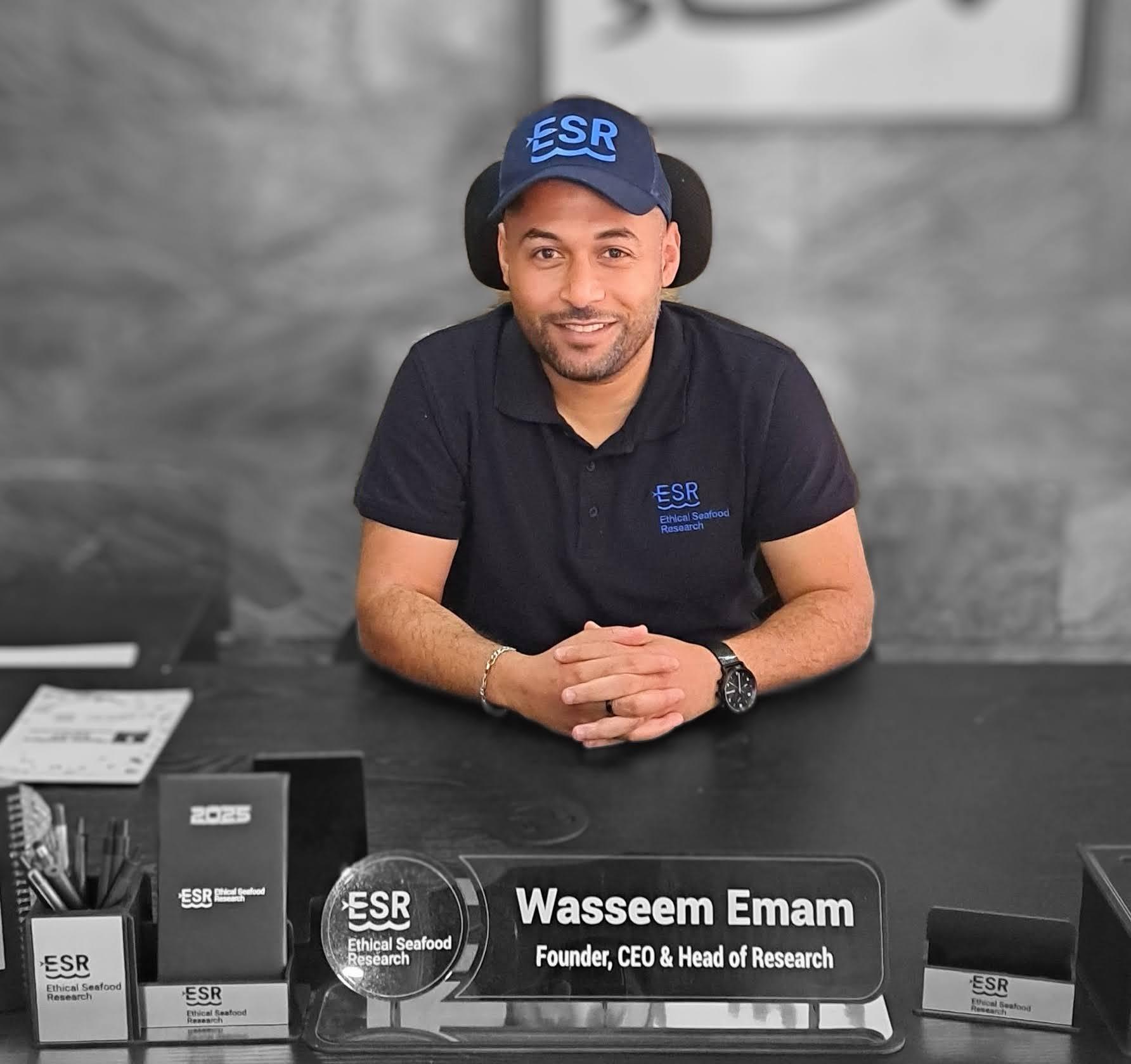
Wasseem Emam is the founder and executive director of Ethical Seafood Research, a UK-based non-profit organisation working to improve animal welfare in aquatic food systems. Trained in aquatic ecology and veterinary sciences, his work focuses on developing practical tools and partnerships that integrate animal welfare into fish farming in Africa and beyond.
If you are working in aquaculture, funding food systems or shaping agricultural policy, the choice is no longer whether welfare matters. It is whether you will help embed it now, while the sector is still taking shape.
The window is open, but it is narrowing.
Paryma Fellowship
-
Learn more about the Paryama Fellowship →
-
Get to know the Parayma Fellows →
-
Support the Parayma Fellows →
Seed, Root, Bloom, or Harvest?
Take the Quiz!
A short reflective quiz to find your season of changework.
Subscribe to The Changework Journal
Get first access to new offers, free or discounted tickets to events Nora speaks at, exclusive access to funding opportunities we source from our network (not shared anywhere else on our channels), and more!