The Inspiration Trap A Founder’s Case for Collective Self-Interest
Jun 11, 2026
“The BluePrint of a good life”
I was raised in a family of government servants. In our home, empathy and inclusion weren’t things we talked about; they were just how life was. Kindness showed up in small, ordinary ways, and for a long time, I thought that was enough.
I had the typical “good life” checklist. A privileged childhood. An engineering degree. A stable job. My moral compass told me to be kind, and for a while, I believed I was living the fulfilled life I had been promised.
With predictability, monotony crept in, and the very safety I once craved started to feel like a cage. I realized that while my career was moving forward, my sense of purpose was standing still.
I didn’t have the vocabulary for it then, but I was simply bored. The corporate routine had become a cycle of mundane tasks, and I felt a growing restlessness that my career couldn't satisfy. I knew something was missing, even if I couldn't name it. I just wanted to explore what else was out there.
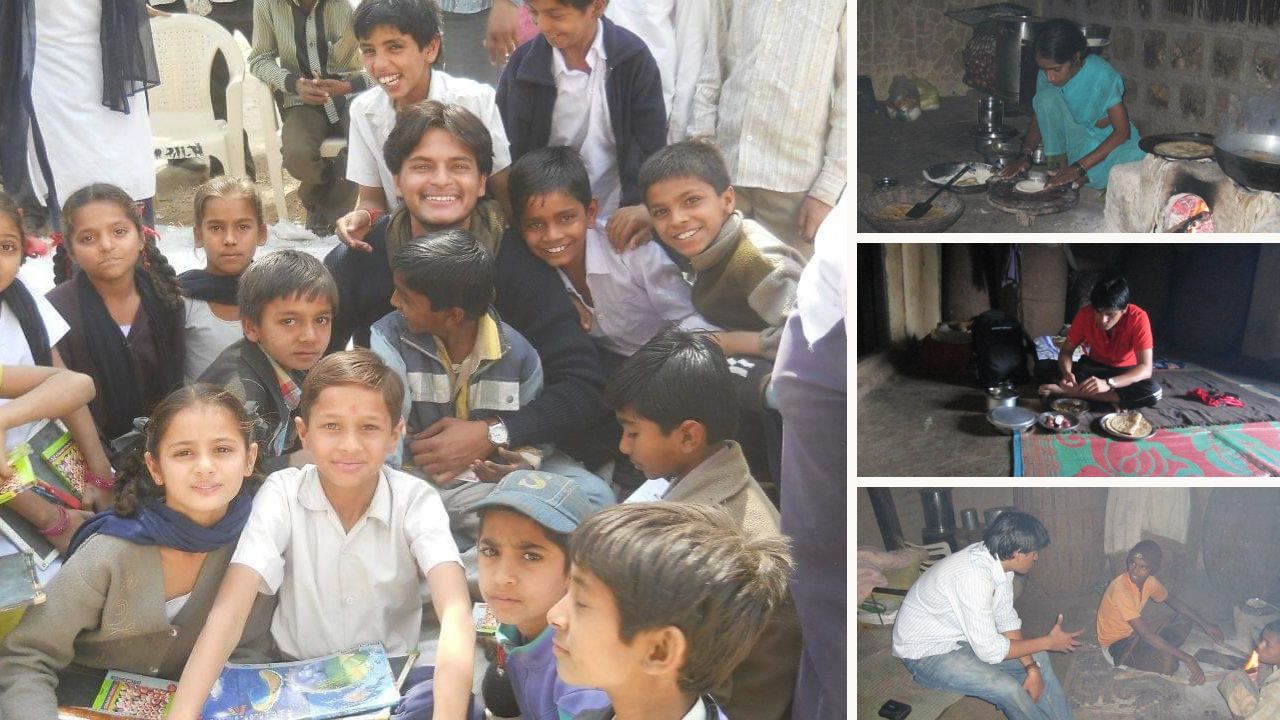
That restlessness led me to a fellowship. I quit my job, joined twenty-five strangers from across India, and stepped away from a world I thought I understood. I didn't join with a grand vision of changing the world; I joined because I was looking for a purpose. I had no idea then that this eighteen-month window into the lived realities of rural India would completely dismantle my views and change my life forever.
The Moment That Changed Everything
The turning point came during a seven-day rural immersion in Ambegaon, a small hamlet in Maharashtra. The instructions were simple: Just observe. Listen. Understand.
It was the monsoon - July, maybe August. For the first three days, it rained relentlessly. The kind of rain that keeps you indoors, suspended in time. When it finally eased, I stepped out to walk through the village - to observe its rhythm, its silences, how life moved here.
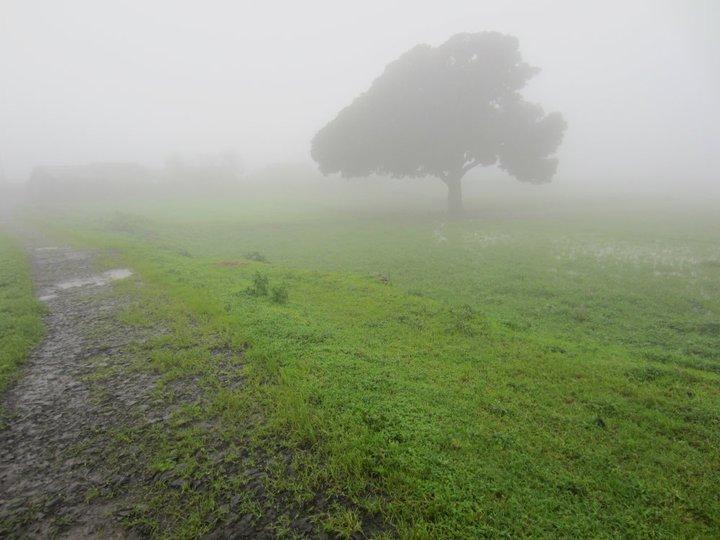
It was a quiet, unhurried landscape. Mud houses with thatched roofs. Small courtyards. The air still heavy with rain, the ground soft beneath my feet.
That’s when I saw him - an elderly man standing outside his hut, dressed in a simple white kurta, watching the lane.
He noticed me, paused, and then gestured for me to come inside.
Inside, on a simple cot, lay his son - Kumar. He was twenty-one. One side of his body was paralysed.
I later learned that Kumar had once been an athlete, a district-level sportsman. A field injury had changed everything. His family had spent everything they had - on doctors, on travel - only to be told there was nothing more that could be done.
His father held my hand. His voice was barely above a whisper, yet it carried the weight of a mountain.
“What can I do for my son? What is his future? Who will take care of him once I am gone?”
I wish I had a profound answer. I didn’t. I couldn’t even offer the comfort of false hope.
I stood there in a silence that felt louder than any noise. Embarrassed by my own helplessness. My engineering degree, my city exposure, my carefully curated values - none of it could answer a father’s simple plea for his son’s dignity.
That was 2010. That day never left me.
The Narrative We Rarely Name
What I saw wasn’t just a family in pain. I saw how quickly dignity evaporates when disability meets poverty. It wasn’t the paralysis that became the burden. It was the world around him.
No systems. No accessible opportunities. No acceptance.
As I travelled across rural and urban spaces, the pattern repeated. Persons with disabilities and marginalised youth, especially those from economically weaker families, were rarely seen as contributors. The unspoken narrative was clear: They are dependent. They are a responsibility. They are someone else’s problem.
What troubled me even more was how normal this felt. We don’t see it as cruelty. We simply don’t see it at all. Our systems are built for the able-bodied, for the “normal.” Everything else is treated as an adjustment - optional, inconvenient, expensive.
Much later, data gave language to this discomfort, showing that excluding persons with disabilities from the workforce costs developing nations 3% to 7% of GDP. But honestly, the numbers came later. The discomfort came first.
Asking the Harder Questions
I began asking questions I didn’t have neat answers to:
- Why do we speak so easily about empathy, but struggle to practice it?
- Why do we speak about communities instead of with them?
- Why does inclusion still feel like charity instead of something fundamental?
And somewhere in that questioning, a thought emerged:
What if the problem wasn’t a lack of empathy but a lack of shared spaces?
What if people weren’t excluded because we didn’t care,but because our worlds were simply not designed to meet?
That shift stayed with me.
It moved the question from “How do we feel more?” to “How do we design differently?”
Why Nukkad Came Into Being
I spent the next few months in a state of restless urgency. I did what many privileged people do: I wrote. Long, impassioned emails to corporations and institutions, advocating for inclusion. I waited. There were no replies.
That is when I realised something uncomfortable: Advocacy without proof is just noise. People don’t change business models because of emails. They change when they see something working.
Around that time, I came across Miracle Couriers in Mumbai, an organisation hiring deaf employees for logistics. It was a revelation. But it also made me think: in logistics, interaction is fleeting. You hand over a parcel and move on.
What if we brought that same inclusion into the service industry?
In a café, you are not in a rush. You are present. You have the time to interact, to learn a few signs, to see the person across the table not as a case study, but as a professional. In 2013, those questions became Nukkad Café.
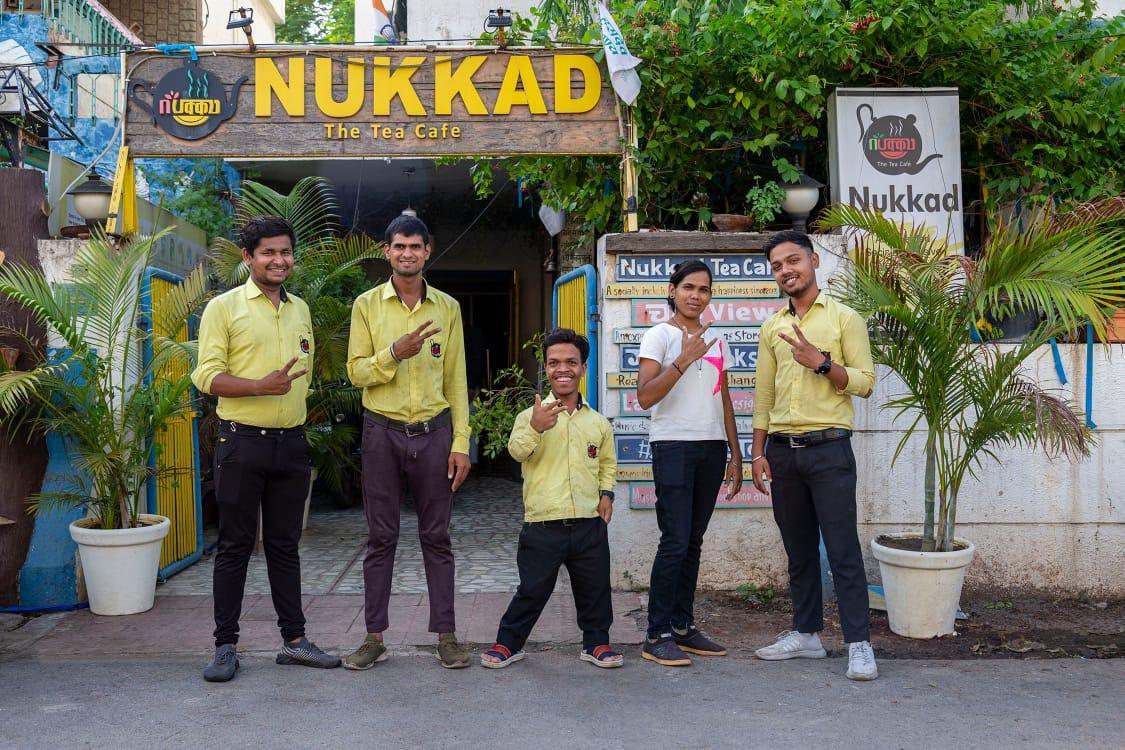
We were attempting three things together: to create dignified work, to gently confront society with overlooked potential, and to build a business that could stand on its own feet.
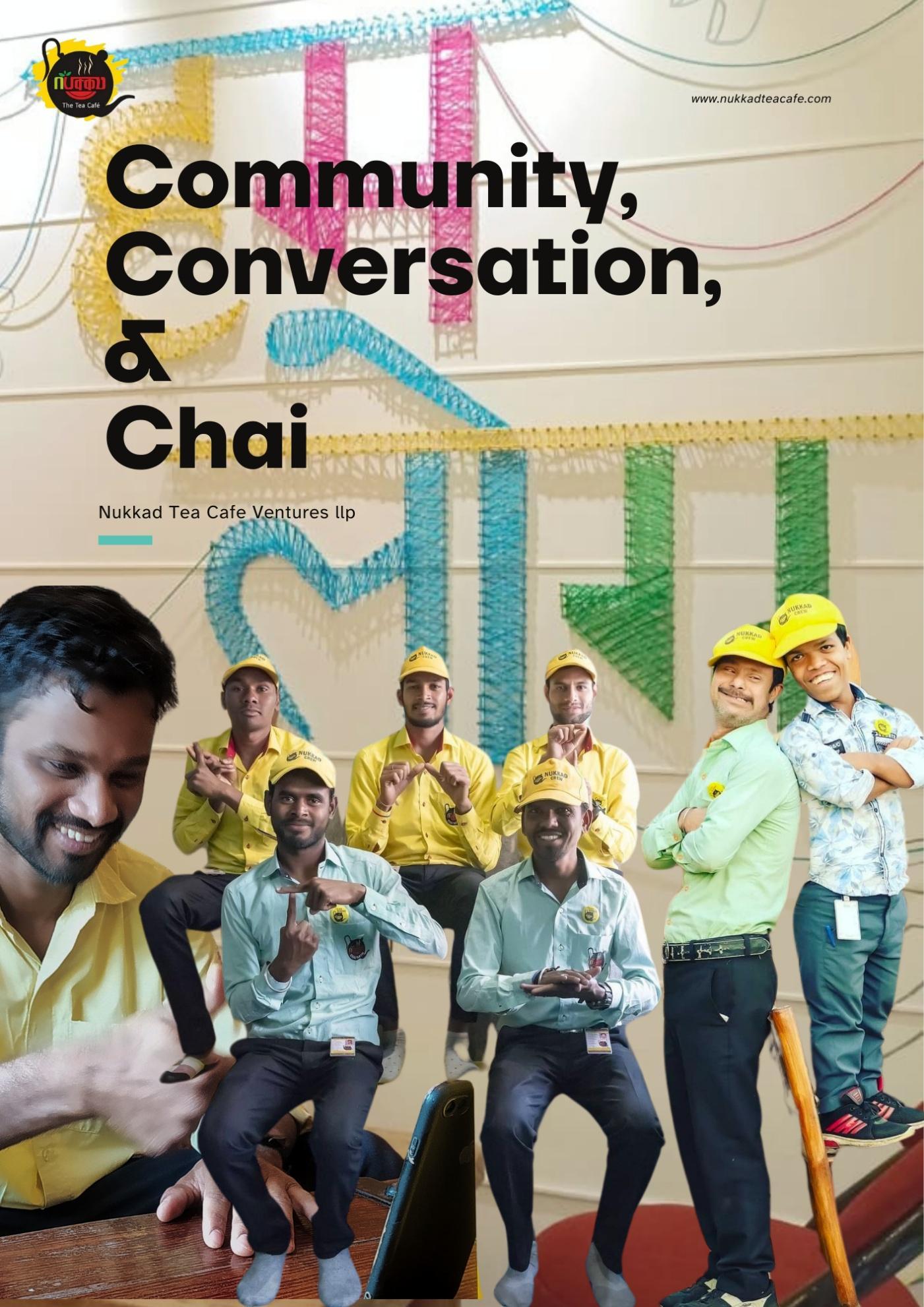
Over the years, more than 300 young people - many of whom had been overlooked, excluded, or never given a fair chance at work - have worked with us.
This includes persons with hearing impairments, transgender individuals, survivors of trafficking, persons with dwarfism, elderly individuals, and youth from conflict-affected regions.
Beyond Employment: What Inclusion Really Changed
Nukkad was never only about employment.
Some changes don’t show up on balance sheets.
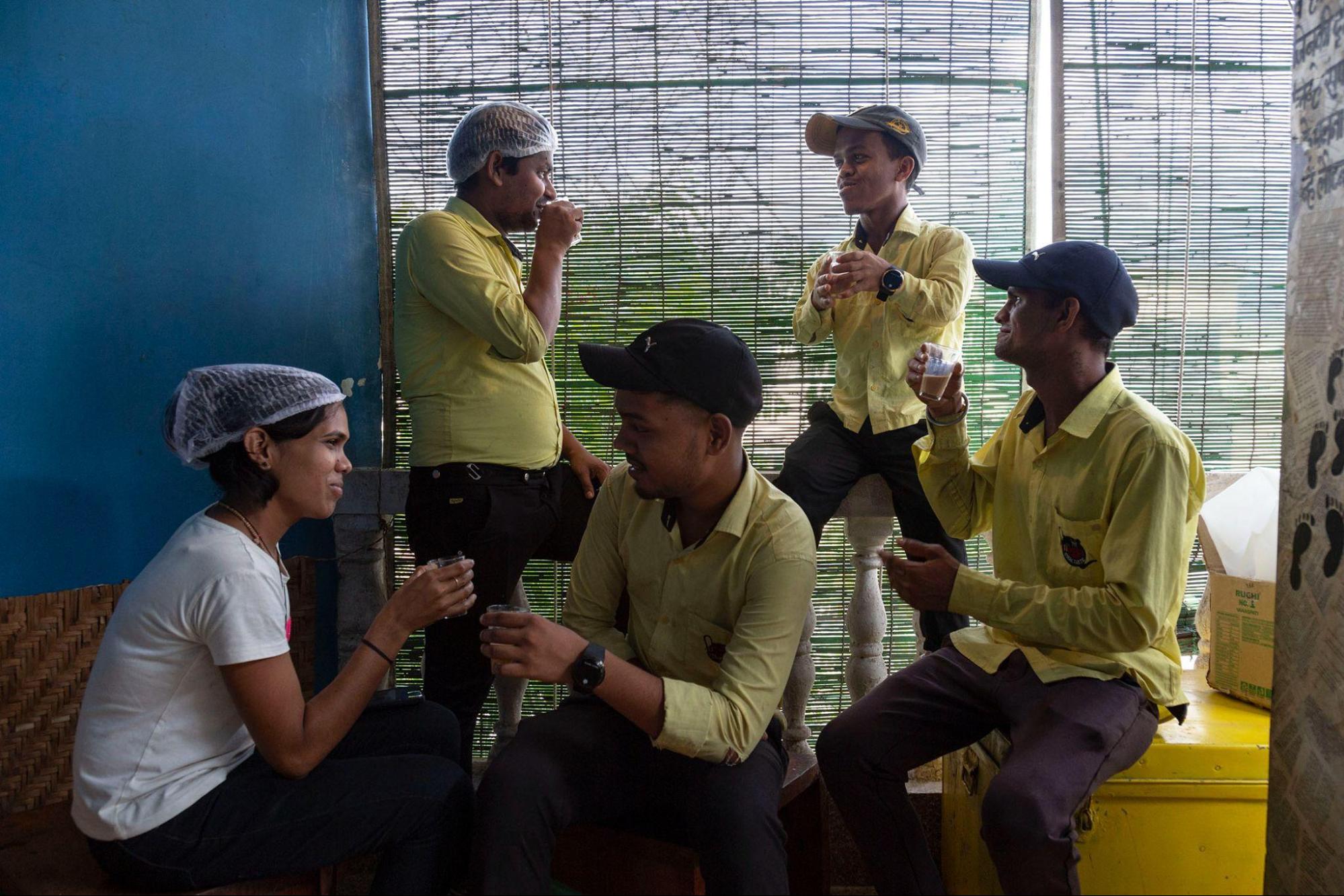
We created spaces of self-expression. For many, it was the first time their voice was heard without interruption - the first time they introduced themselves without hesitation.
For some, it was a first chance.
For others, a second one.
Nukkad became less about service and more about belonging.
It was no longer just about creating opportunities, but about creating a space where people could arrive as they were - and stay.
We chose community over competition. Instead of chasing trends, we kept asking: what does this space need now?
A sign language workshop.
A community discussion.
A co-creation room.
A training program.
A new format in a smaller town where no one thought inclusion would work.
Employment was the beginning.Belonging was the real work.
And it changed us as much as it changed the people who walked in.
Inspirational, But Not Yet Aspirational
Nukkad has been received with warmth. We have grown, expanded across cities, worked with hundreds of young people, and seen customers evolve alongside us. There has been recognition, appreciation, and visibility.
And yet, Nukkad is often described as inspirational. I have come to understand why that word unsettles me.
Inspiration allows us to feel moved, and then move on. It creates a comfortable distance, where inclusion remains something we admire rather than something we practise.
That distance becomes difficult to ignore when we look at scale. India alone has more than 1.65 crore people with hearing impairment. Add to this the millions of transgender persons and other marginalised communities still waiting for meaningful social and financial inclusion.
This is not work that one café, one organisation, or one idea can do alone.
What we need is aspiration.
Creating dignified opportunities should not be exceptional. It should be desirable. It should be normal.
The truth is simple: We are not doing this for them. We are doing this for ourselves. * Inclusive systems are stronger.
- Diverse teams show deeper commitment.
- Dignity creates accountability. When people are trusted, they show up fully.¹
(¹Research shows that when individuals feel valued and included, they demonstrate higher organisational commitment and a greater willingness to take responsibility.)
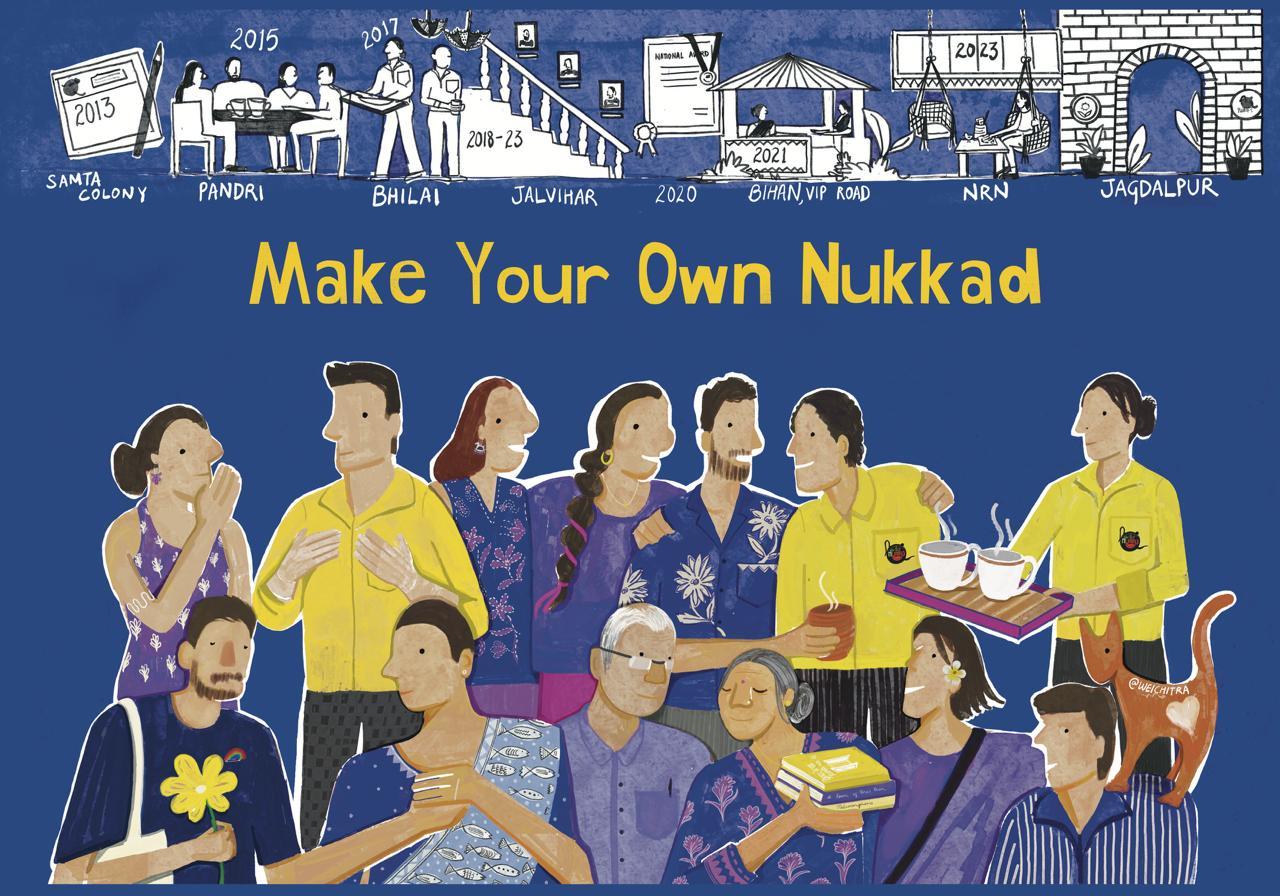
Make Your Own Nukkad
I am not inviting you to open a café. I am inviting you to create your own Nukkad - in your workplace, your housing society, your school, or your factory.
Create spaces where people are seen beyond their tags. Understood beyond their labels. A Nukkad is not just a location. It is an emotion. A belief that warmth and dignity can coexist with ambition and excellence.
Attempt it. Make it visible. Make it aspirational.
Because once you truly see the cost of exclusion, looking away becomes difficult. And maybe that discomfort is exactly where change begins.
Paryma Fellowship
-
Learn more about the Paryama Fellowship →
-
Get to know the Parayma Fellows →
-
Support the Parayma Fellows →
Seed, Root, Bloom, or Harvest?
Take the Quiz!
A short reflective quiz to find your season of changework.
Subscribe to The Changework Journal
Get first access to new offers, free or discounted tickets to events Nora speaks at, exclusive access to funding opportunities we source from our network (not shared anywhere else on our channels), and more!