Staying With the System - Building Public Education Systems Worth Choosing in India
Jul 17, 2026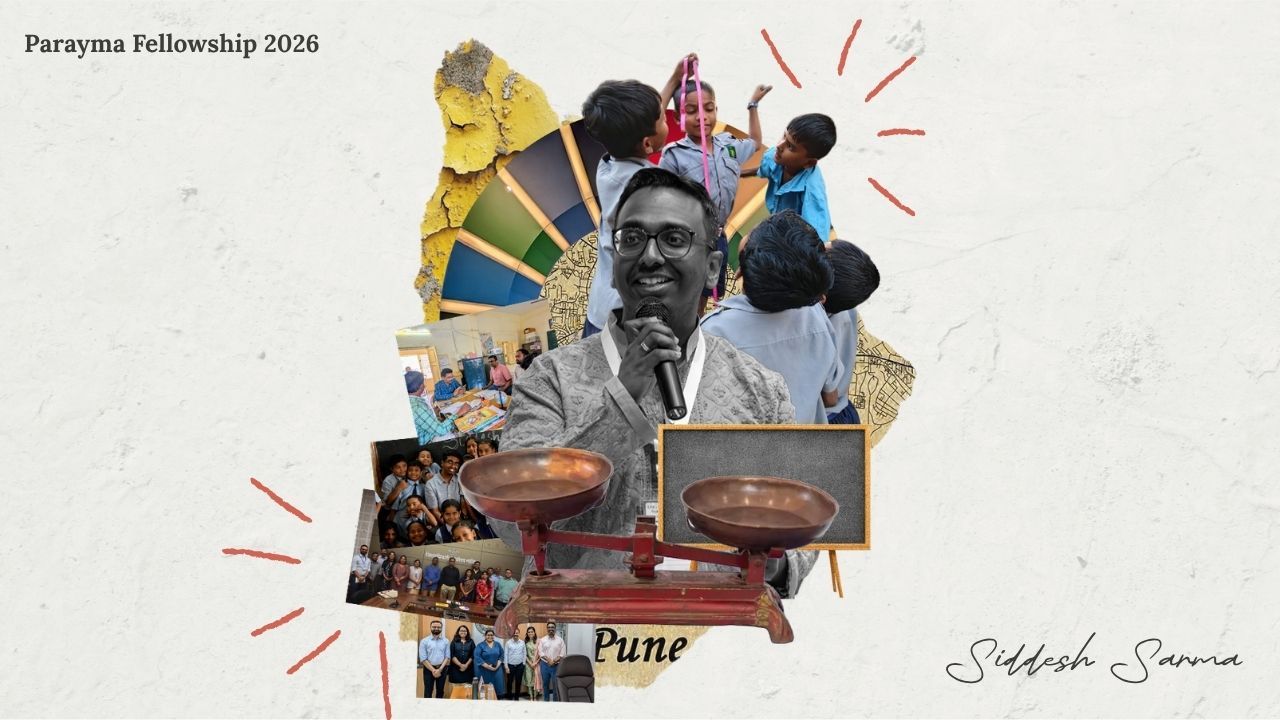
My journey into education started long before I entered a classroom as a teacher.
I grew up in a middle-class home in Pune, India, and the clearest image I carry is of my mother transforming our living room into a place of learning. In the year 2000, she started an early childhood centre and ran it for over twenty years, while raising me, caring for elderly parents, and holding our home together. I remember coming back from school and seeing children laughing, playing, learning and feeling safe, right there in our home.
But what stayed with me even more was how she ran it. Families who could afford it paid full fees (which was very low to begin with), and those fees helped subsidise the education of children from poorer backgrounds. Children studied together, received the same resources, and were treated with the same dignity. Many of those children are now studying in some of the best schools in Pune and beyond.
Watching her shaped me. I wanted to become a professor, and I loved teaching. Around this time, my mother was volunteering at an after-school centre for underserved children, led by someone who would later go on to start Teach For India. She nudged me gently: before becoming a professor, should I explore whether I wanted to do something more meaningful for society? That is what led me to join Teach For India.
When I entered a classroom of young learners through the fellowship, I thought I was there to teach. But it was I who learnt the biggest life lessons.

In those two years, I started seeing education through three lenses.
One child. The moment a student finally reads fluently, and then begins to speak with confidence, stays with you forever. You realise how much possibility was waiting behind that one breakthrough.
One class. The challenge and satisfaction of helping every child grow, not only academically, but in how they collaborate, express themselves, and believe in their own ability.
And one school. The constant balancing act: limited resources, too many responsibilities, and still trying to keep learning alive.
When my fellowship ended, one truth was difficult to ignore. This is not sustainable. The future of millions of children cannot depend on individual passion and a few motivated people. Real change has to come from a system that is built to support every teacher, every day.
That conviction is what led me to start Leadership For Equity (LFE), along with an early group of people, who shared the same faith in government schools and what India’s public education system could become.
LFE did not begin with big promises or a grand master plan. We began by showing up, in city, district, and state government offices, for countless hours. I listened to officers trying to run large education programmes with limited capacity and enormous expectations. We learnt from teachers and communities of what was working, what was frustrating, and what were their aspirations. We learnt the constraints, the trade-offs, and the daily reality of implementation in public systems at a mind-boggling scale.
India’s public schools serve 121 million children, most of whom have the least access to opportunity or resources. To put it simply - only the poorest of the poor go to government school in India. Children from historically excluded communities. Children in rural areas. Children from religious minorities. Millions of girls whose education shapes not only their future, but the expectations of their families.
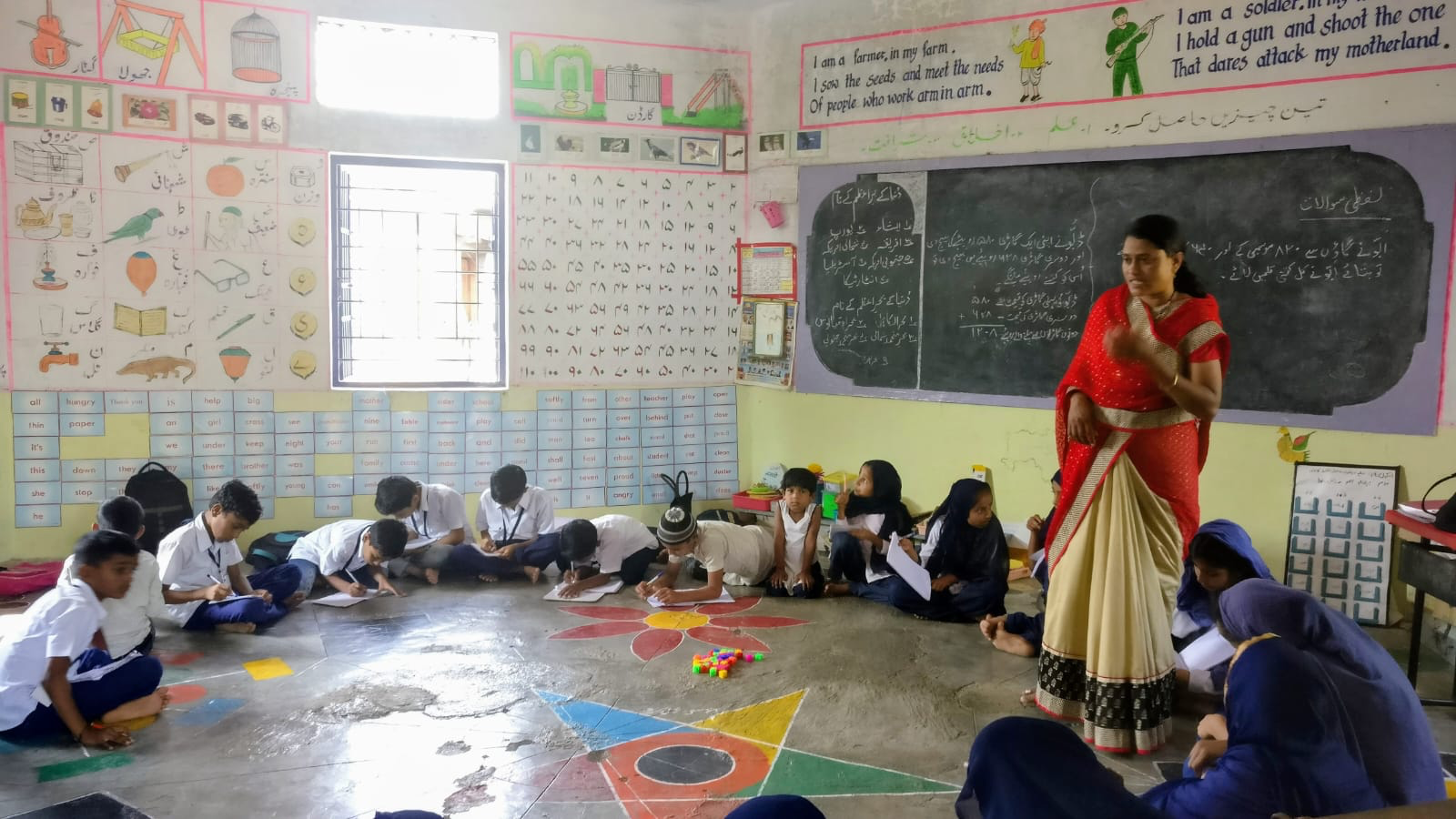
And the challenge shows up at three levels.
Students without strong basic reading and math skills, and without access to future-ready learning which isn’t setting them up for success in the world of work. Teachers working hard, but often without consistent classroom-level support. And systems struggling to monitor, guide, and strengthen teaching at scale.
The problem is not isolated to teachers or schools, it is the way systems work and hold these things together. The way the administration treats teachers reflects in how teachers treat their students. It is systemic in more ways than one.
That said, in LFE’s early years, the focus was what many education organisations focus on: training quality, stronger teaching practices, and supporting education leaders to run programmes more effectively.
But a harder question kept coming up.
Is this making a difference over time? And if government systems are responsible for everything under the sun to do with education at scale, where should LFE focus its energies?
That question helped us focus and look at our roles a bit differently than when we first started out. LFE moved from delivering capacity-building programmes to helping build the structures that make good teaching more likely, week after week, in real conditions, especially in foundational learning and future skills. We began thinking about creating impact through the system rather than ‘systems change’ which can feel more daunting.
Putting teachers’ needs at the centre, LFE now creates structured blended learning courses, lesson plans and classroom resources that are deeply grounded in context. LFE also helps build peer learning networks so teachers are not learning alone.
Then LFE adds a systemic layer of coaching and mentoring, using a standardised digital classroom observation approach, by certifying government mentors to support teachers in consistent, practical ways.
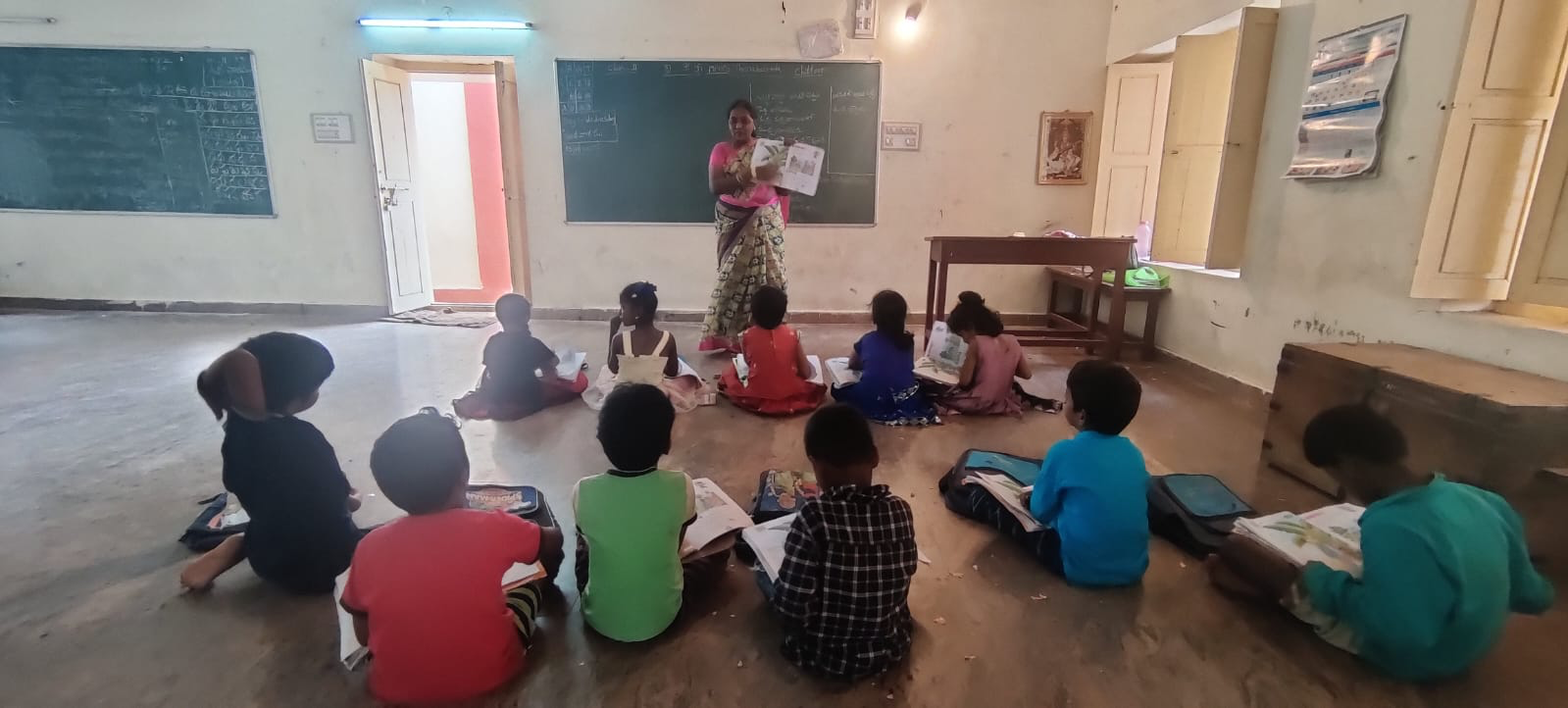
LFE also works with government teams to make sense of the data that comes from classrooms, so support can respond to real needs, not assumptions.
And to make the change sustainable, LFE anchors these efforts in existing government programmes and budgets for teacher development, helping direct public funding toward approaches that show evidence of improving learning.
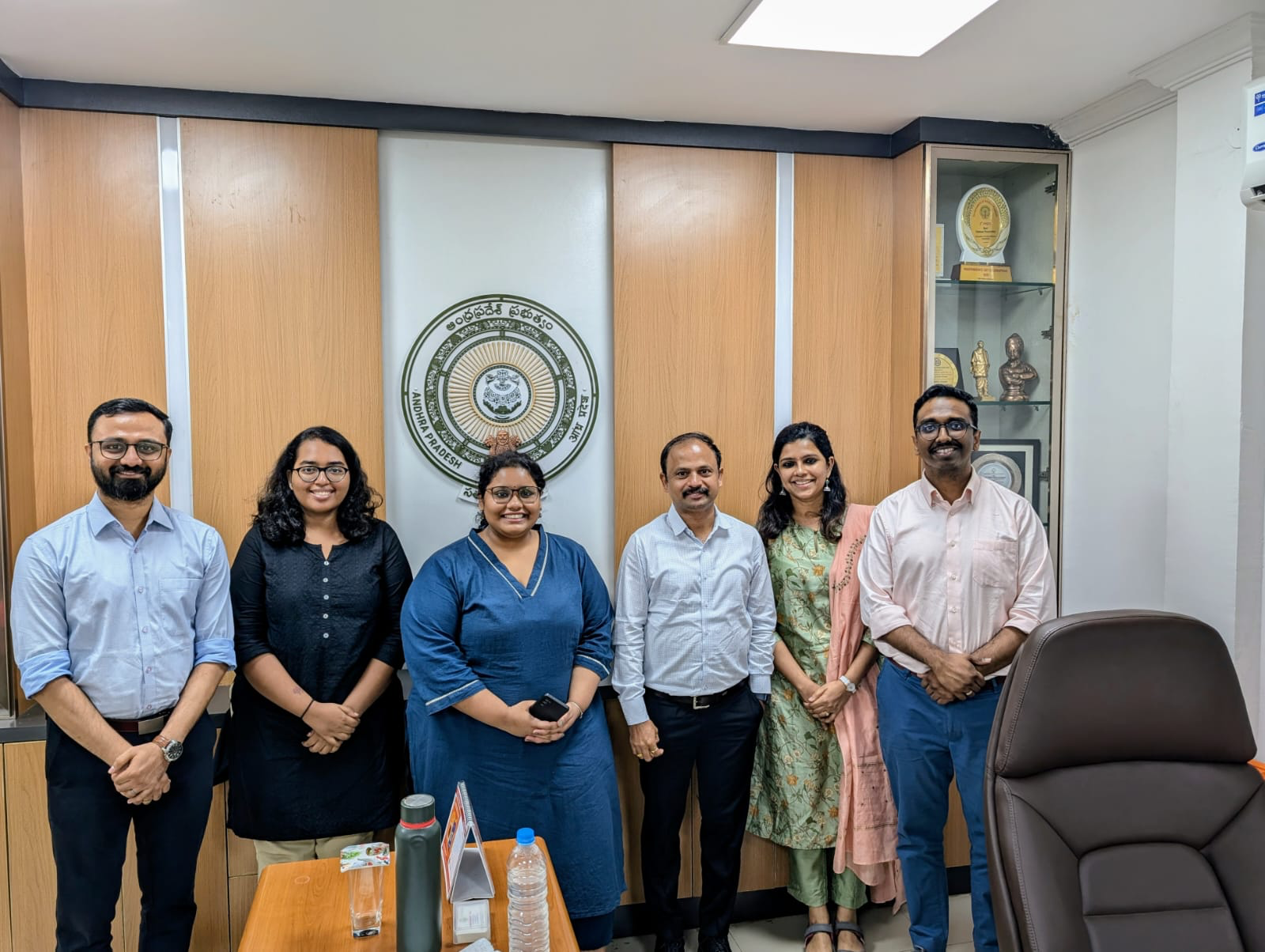
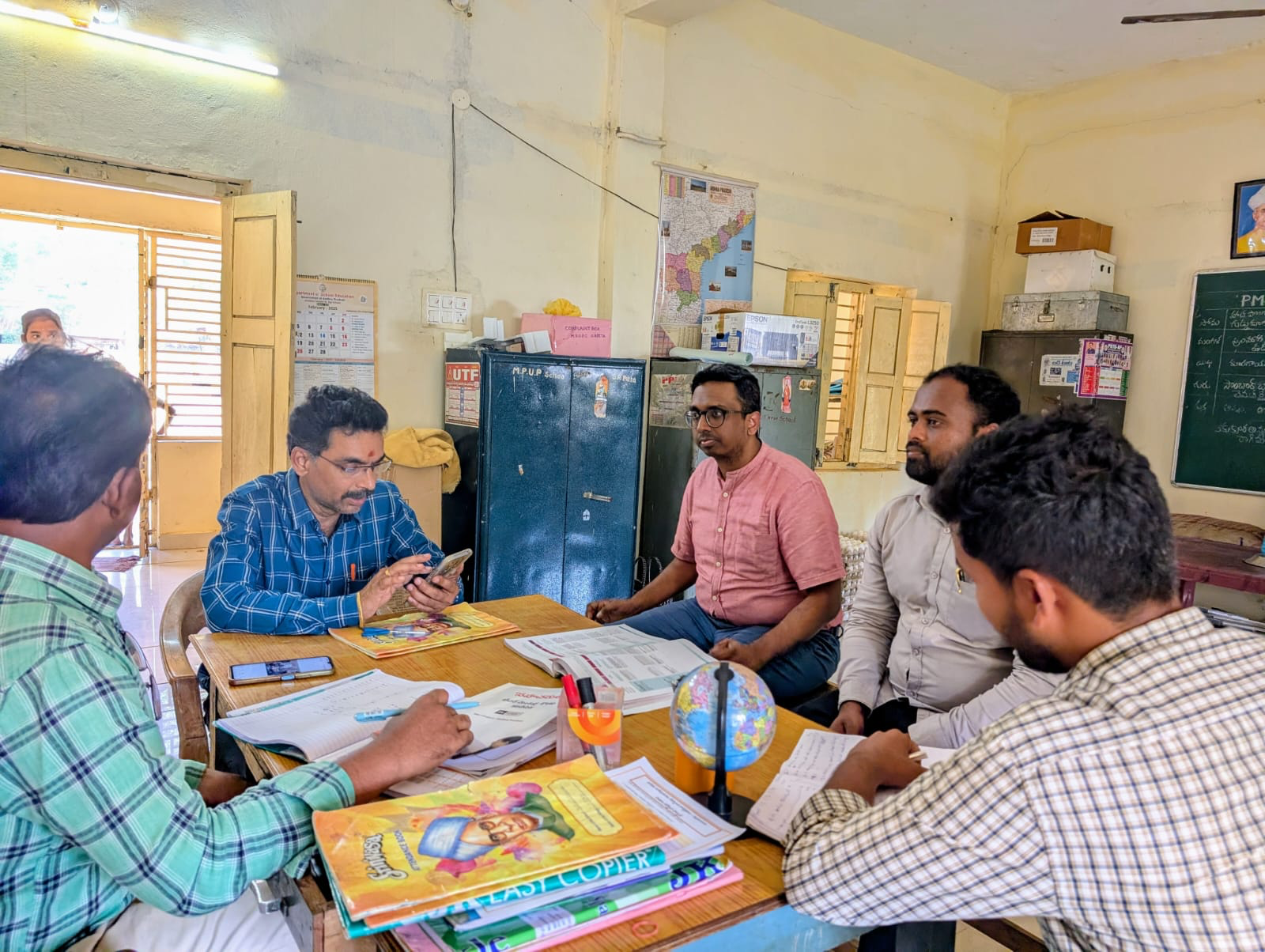
a typical government office in India in a rural education department setting
This work has begun to show strong signs of impact.
In foundational learning work in Maharashtra, a three-year independent assessment found sustained gains of about 19% in numeracy and 11% in literacy across primary grades in five districts. And because everything is delivered through the system, LFE has helped unlock over 500,000 USD in government funding through printing, resource distribution, operational costs for training, and more.
Future skills work is still emerging, and the best measures are still being refined. But the early signals are encouraging, including learning growth among enrolled teachers and children’s confidence in coding and problem-solving. But I want to share a couple of stories to share what this work means, beyond numbers and metrics.
Ms Anita is from Karad Taluka, Satara. She has 17 years of experience and volunteered to join our blended learning course on coding and computational thinking. She leveraged her learnings from that to help her students participate in and win a district-level hackathon organised by LFE. Overcoming stiff opposition from her school administration, she used her own money and personal leaves to come with her students to the state-level hackathon – which she won alongside her students, bringing back a kit of tablets and Smart TV for their school. Upon her return to her village, she was welcomed with fireworks. A local business owner also set up a cyber cafe for her students to continue practising their skills and teaching other students this important future-ready skill.
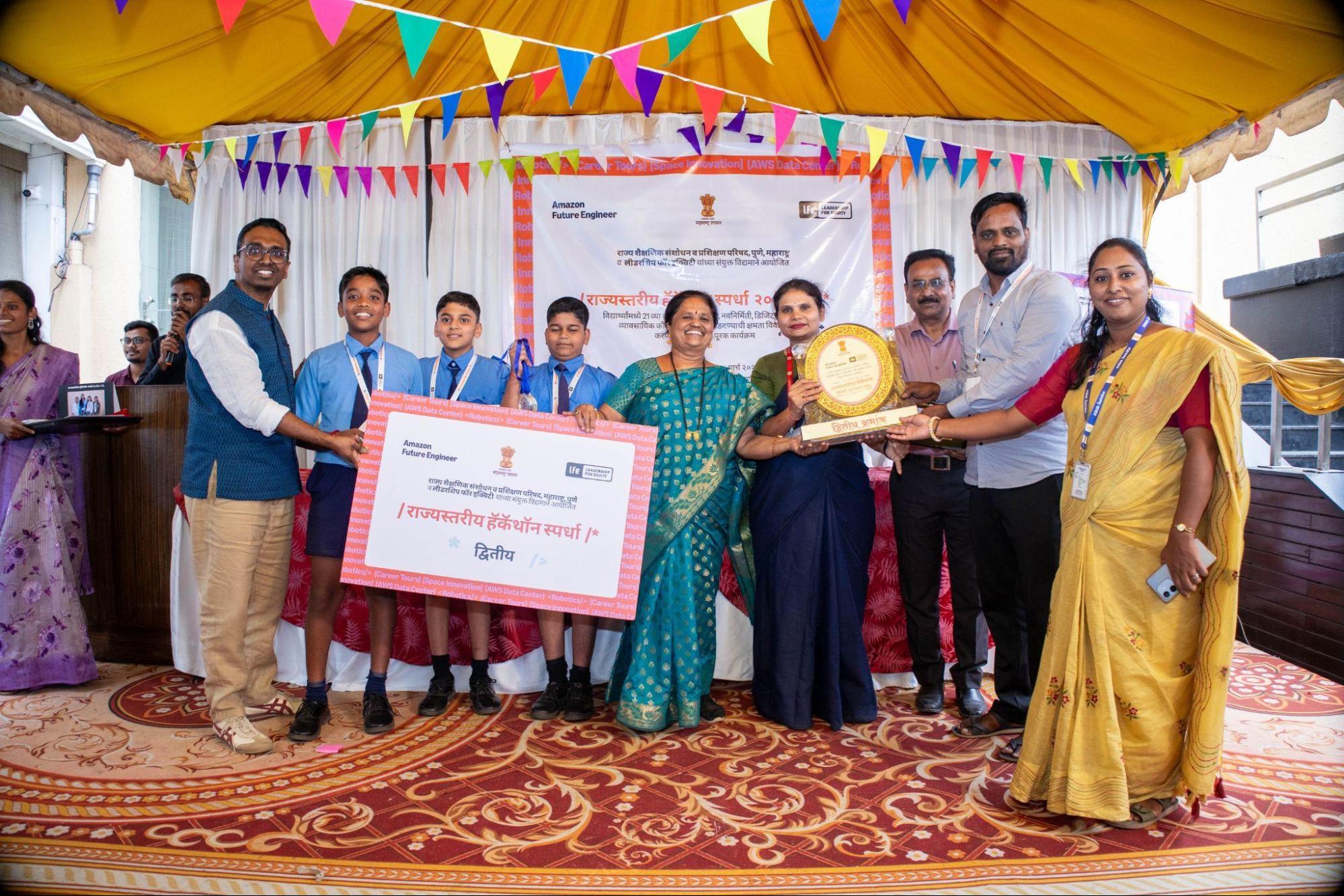
Omtej, a student from Ramgad, Sindhudurg, was always curious about the world around him, but in his rural school, opportunities to explore his interests were limited. The school and its small teaching staff catered to 200 students, many of whom came from farming and fishing backgrounds. So, education often took a backseat to immediate survival. It wasn’t until Omtej’s school participated in a district-level hackathon, organised by LFE, that he first encountered the world of coding. His team not only won, but advanced to the state-level hackathon at the Amazon office in Pune, where they were awarded six laptops and two tablets. This success sparked something in Omtej, giving him access to tools and a new vision for what he could achieve.
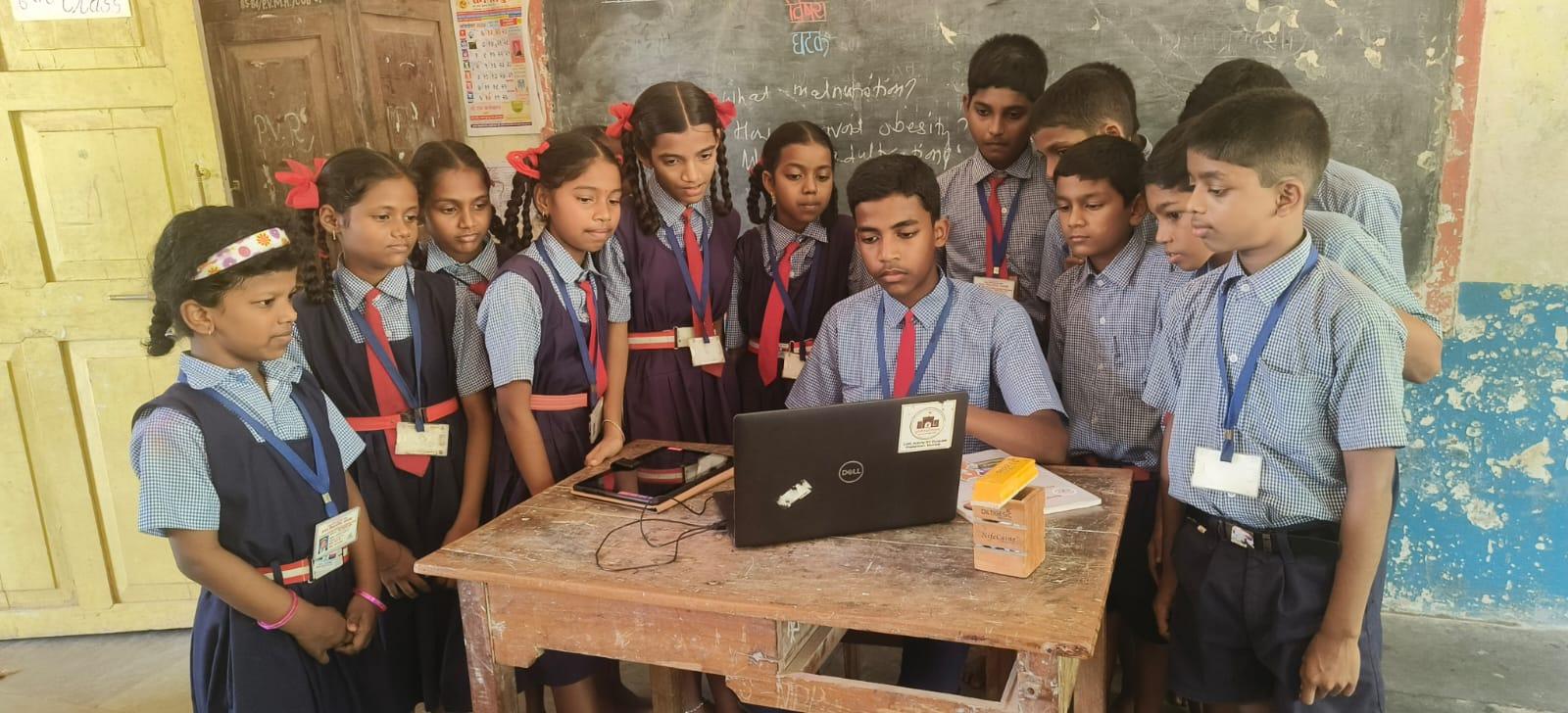
Omtej teaching other children how to use block-based coding
Inspired by his newfound skills in coding, Omtej began learning Scratch, using it not just to build projects but to solve real-world problems. One of his early projects was the “Zero Hunger” initiative, which focused on addressing food scarcity in his community. Also, he didn't keep his learning to himself – he eagerly shared his knowledge with classmates in Grades 5 to 7, teaching them to code during Karyanubhav periods and a one-hour session before school. Omtej would also travel to a nearby village, Trimbak, to conduct coding classes for students who had never been exposed to this kind of learning. His efforts turned coding from an abstract concept into an engaging and practical tool for his peers.
Omtej’s journey didn’t stop there. He went on to create an eco-friendly straw and a straw-making machine, which he presented at the National-Level Science Competition in Bhopal, organised by NCERT. His innovation was selected for patent consideration, further cementing his place as a young inventor. Through the continued support of his teacher, Mahadev Pawar, who first introduced him to LFE's hackathon, Omtej became part of a cohort of students who not only learned but taught others. Alongside Pawar sir, Omtej and his peers now travel to other schools in the region, teaching coding and spreading their knowledge.
Over the years, this work has supported 220,000 teachers and education leaders like Ms Anita, and reached 8.8 million students like Omtej through public systems. By 2030, the aim is to reach 1 million teachers and 25 million students in government schools.
For me, the ultimate social impact is not only that public schools improve. It is that public schools become the first choice for every parent. A society where rich and poor families choose the same public schools. Where children grow up learning together. Where education becomes a force for a more equitable and unified society.
I have felt the power of that kind of “melting pot” myself. When I studied in a public university, I built friendships outside my immediate social circle for the first time: friends with disabilities, friends from rural areas, friends from marginalised communities, friends who struggled with English, people I may never have met otherwise. And those friendships changed me. They made my world larger, and more human.
Today, it can feel like society is getting more polarised and more closed off, with people living in narrower circles than before. Alongside that is a quiet yearning for something more cohesive — a sense that we are still part of one shared community. Have you felt that too? For all that we as families contribute and expect, public systems should work better, and that stronger public institutions could actually bring us back together?
This is of paramount importance today. India has a rare moment of momentum, with the National Education Policy 2020, and a shared national ambition of becoming a developed country by 2047. But the scale of the challenge is enormous. 121 million children are in public schools, and too many still do not have basic reading and math skills.
This is not a problem that can be solved only at the level of individual schools, or through isolated solutions. It requires addressing root causes and building systems that can support teachers consistently, measure what is happening, learn quickly, and improve over time.That is what Leadership For Equity is trying to contribute to: helping build a public education system that works reliably, at scale.
And the reason I believe it is possible is personal.
I saw a microcosm of this vision in my mother’s early childhood centre, where children from different backgrounds learned together, with equal dignity and equal opportunity. I saw it come alive during my time at a public university.
That vision continues to drive my commitment today and in all the years to come.
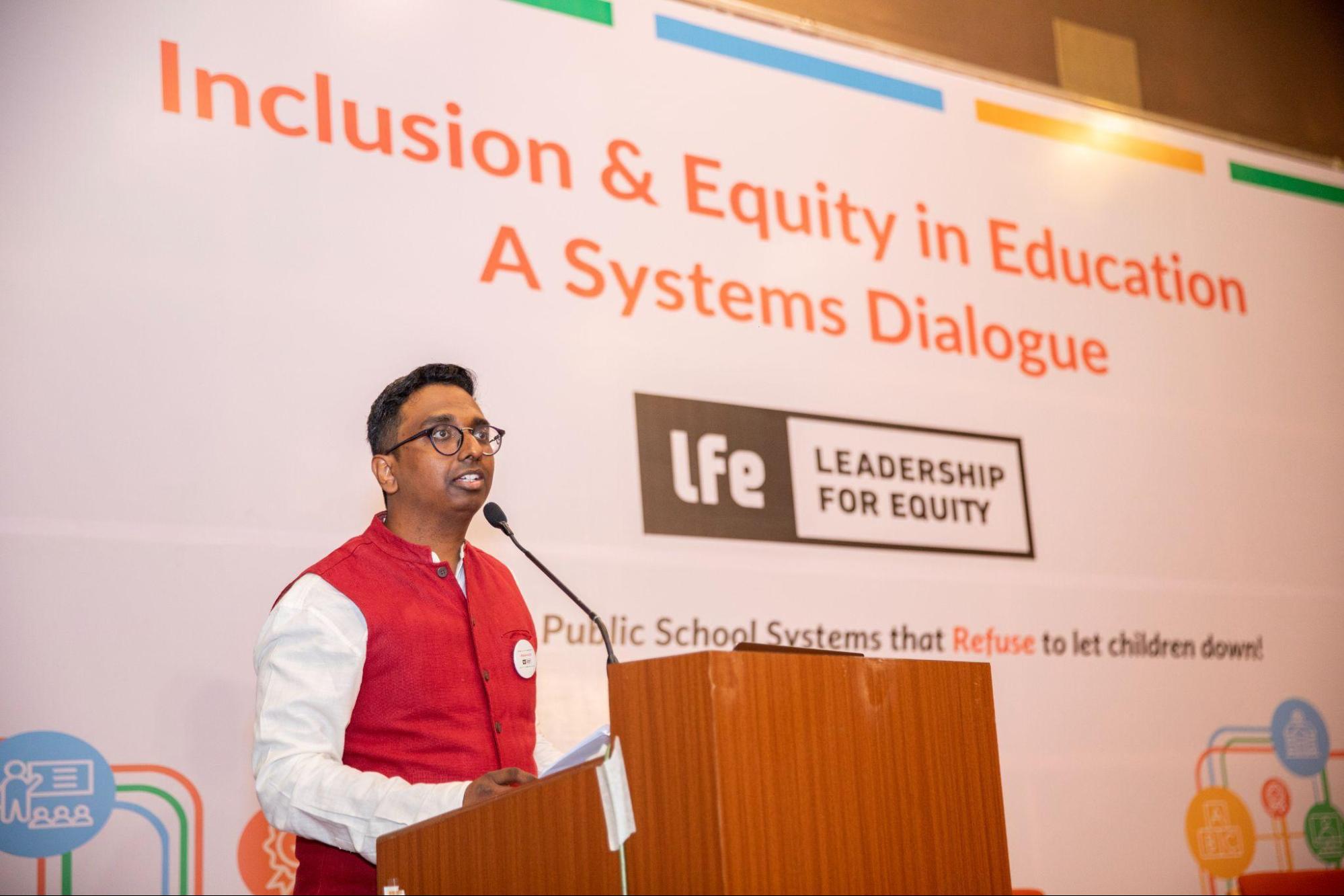
Join us in shaping the future of education: Whether through partnership, funding, or expertise, contribute to our mission of building stronger, equitable public education systems.
Paryma Fellowship
-
Learn more about the Paryama Fellowship →
-
Get to know the Parayma Fellows →
-
Support the Parayma Fellows →
Seed, Root, Bloom, or Harvest?
Take the Quiz!
A short reflective quiz to find your season of changework.
Subscribe to The Changework Journal
Get first access to new offers, free or discounted tickets to events Nora speaks at, exclusive access to funding opportunities we source from our network (not shared anywhere else on our channels), and more!