Repairing Stories: One Educator's Path to Systemic Change in Uruguay
Jun 04, 2026
The Teacher I was Not Meant to Be
Live your story even when the system gives you another script.
My grandfather wanted to be a teacher, but his mother did not allow it.
His mother closed that door with a simple verdict: teaching was “not a man’s thing.” For him, it became an unfulfilled calling, carried quietly like a shadow. And yet, that shadow cast a particular light that colored my childhood in ways I would only understand later.
Unable to be a teacher, my grandfather became a technician, repairing household appliances for a living. But what seemed like a different road was, in fact, another way. Through fixing, he found his way back to teaching, and we -my sisters and I- were lucky enough to be in the front row. I grew up just living it, not understanding until later in life how transformative his legacy was.
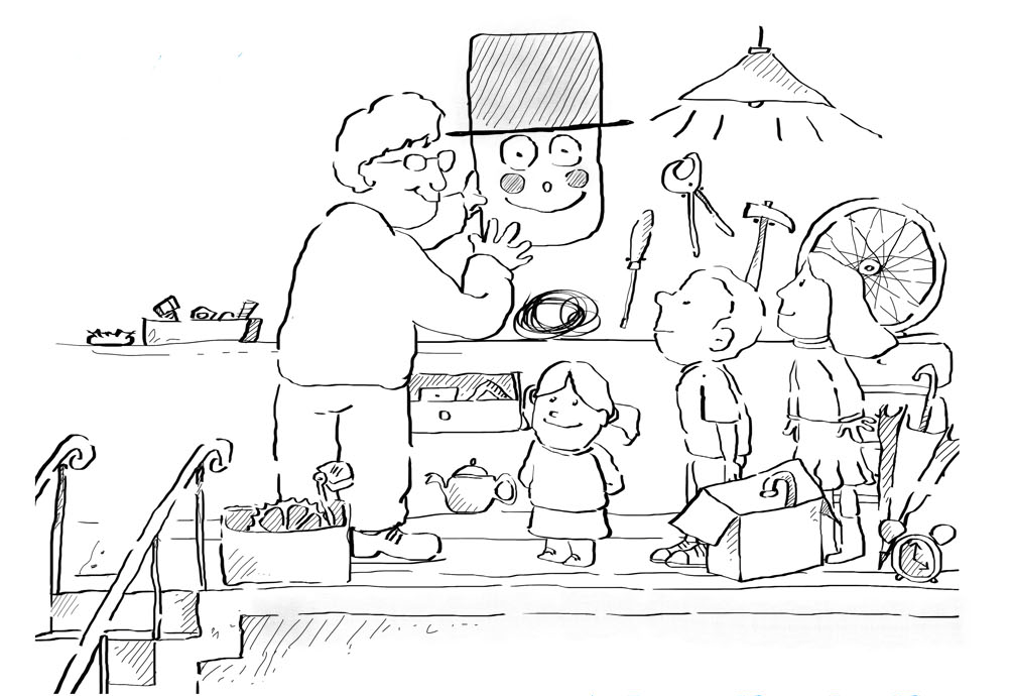
His teaching showed up in ordinary gestures of presence. His calmness and availability shaped the way we related to the world. In his hands, fixing things became an act of creative care—one that required patience, talent, and an honest joy in understanding the craft. In his realm, learning -and living- was not giving up a sense of exploration, the childlike spirit that connects reality and imagination, making and play, wonder, wander and discovery.
He could turn a pillow and an old shirt into a giant, so all the children could play. He would take broken gadgets and transform them into a bicycle. He could pick up a car’s exhaust pipe and turn it into musical instruments, or ask about the theme of your birthday cake, and somehow build it into existence.
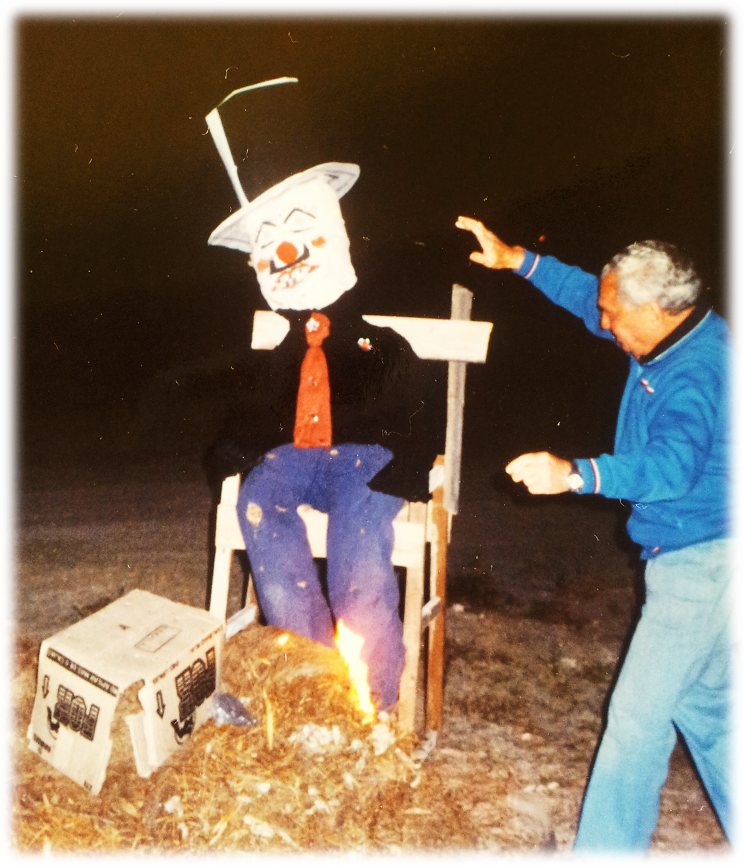
That was him. He made space for what was, but for what could be, for the paths not taken, the possibilities left unexplored.
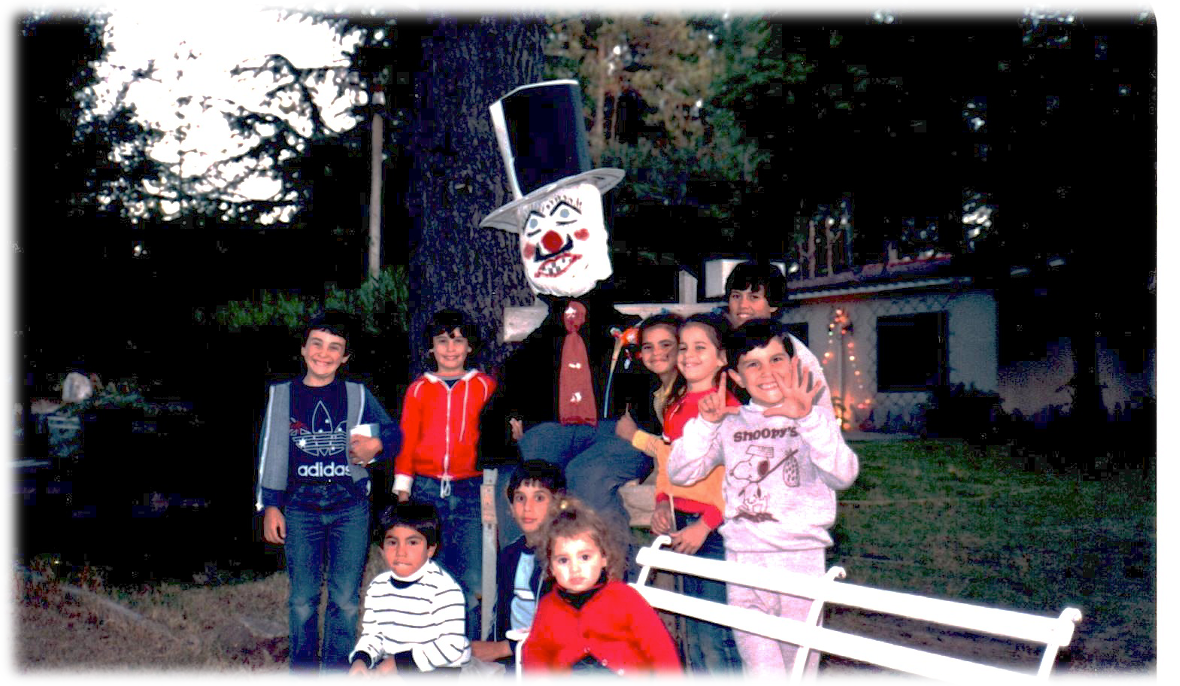
That was him—teaching me to find my voice through creativity, to dream into unwritten stories, even when the system gives you another script.
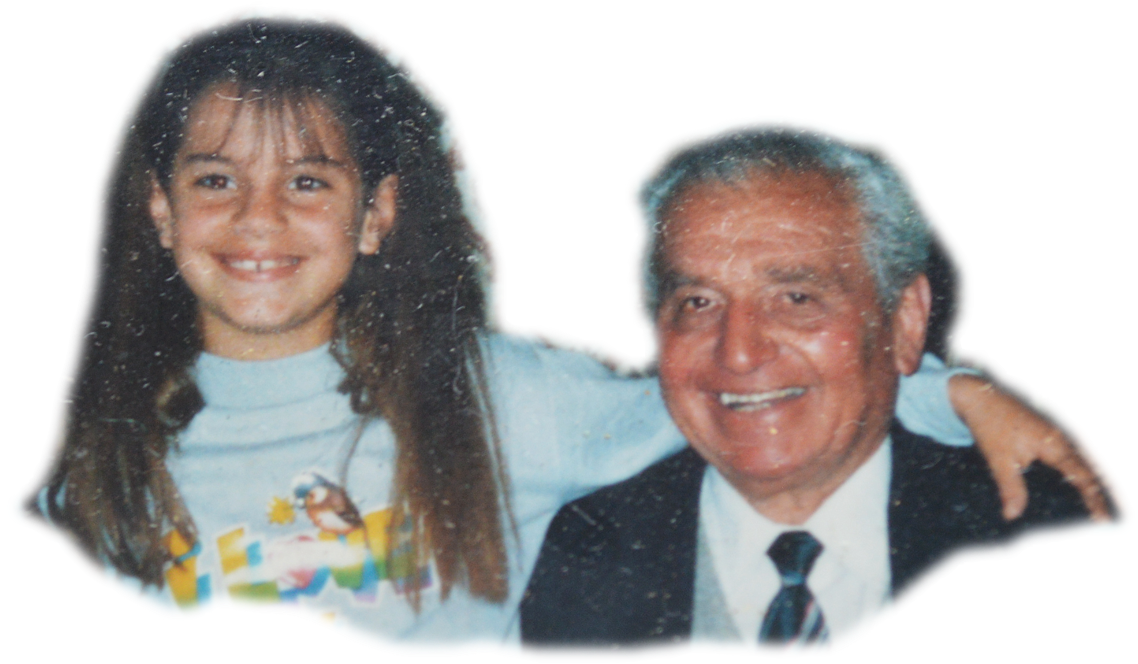
Possibility is something you can build.
What my grandfather could not live openly became a different way of seeing. As an adult, I would recognize that same impulse guiding my professional choices, toward learning as a human act.
I became a teacher. Still, over time, something began to crack. I didn’t have the language for it then, but I was misaligned. In school, I inhabited a version of myself that worked for the system, but wasn’t true in me.
And I began to understand that even when you are invited into the room, there are ceilings you are not meant to touch—interests with no space to grow, experiences considered too loud, attempts seen as too messy, stories that do not fit, and time that does not count.
Over time, something began to crack. I was misaligned. I was pretending. Something unspoken was quietly shrinking me and I guess, the children in front of me too.
So I left.
I stepped away from teaching in Uruguay and went to the United States to study educational television, allowing myself to explore what had always drawn me—creativity, stories and possibility. My masters and work at Discovery Kids felt like stepping back into my grandfather’s attic, a space where learning could be imagined, designed, composed, shared and celebrated.
There was a different rhythm, a sense of freedom. Still, everything was about to shift.
In 2001, I flew to Ecuador, where reality sharpened in the face of one girl, a mirror of more than one hundred million children growing up in deprivation across Latin America.
She was six years old. Silent. Beaten. Unable to look anyone in the eye. Her hair had been cut with a knife. She fed pigs barefoot in the mud outside her house in the Ecuadorian jungle. Everyone called her ‘La Coloradita’—the little red-haired girl.
That day, a new chapter began.
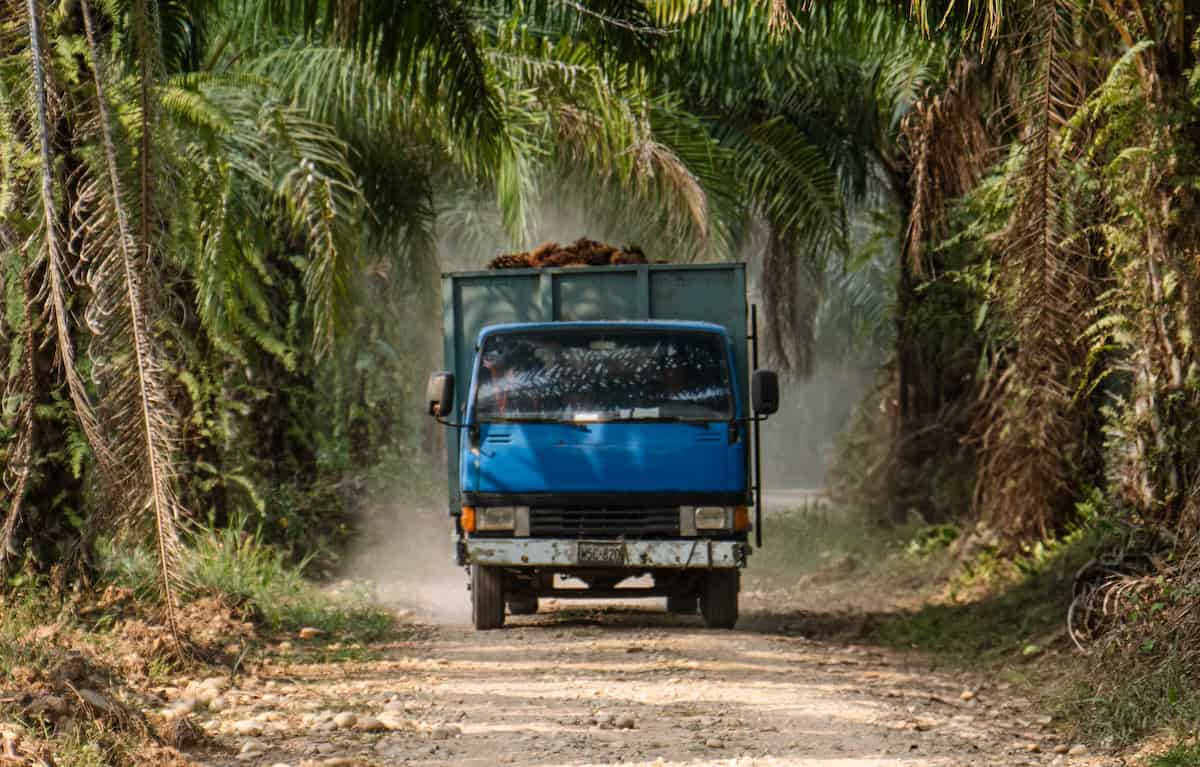
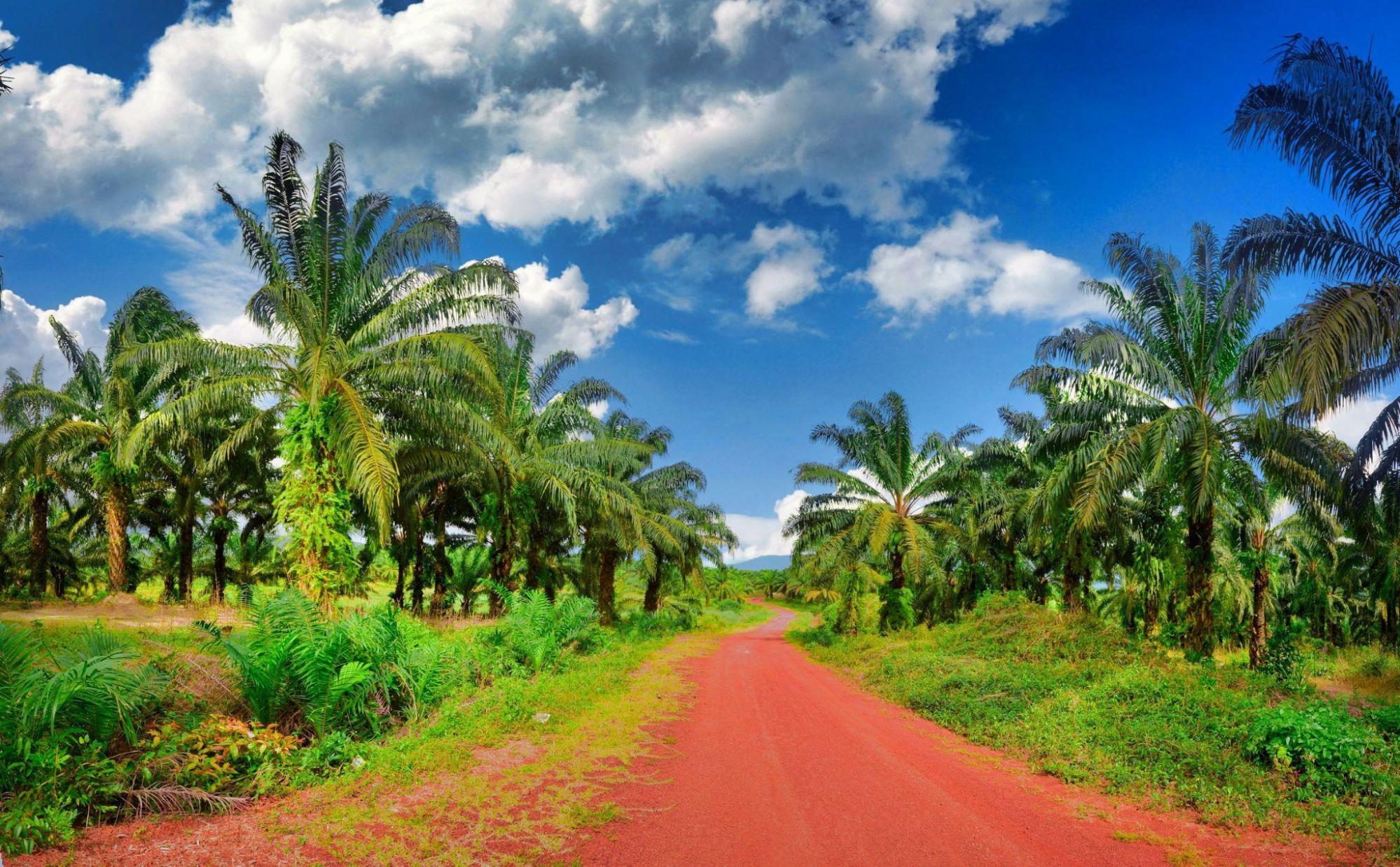
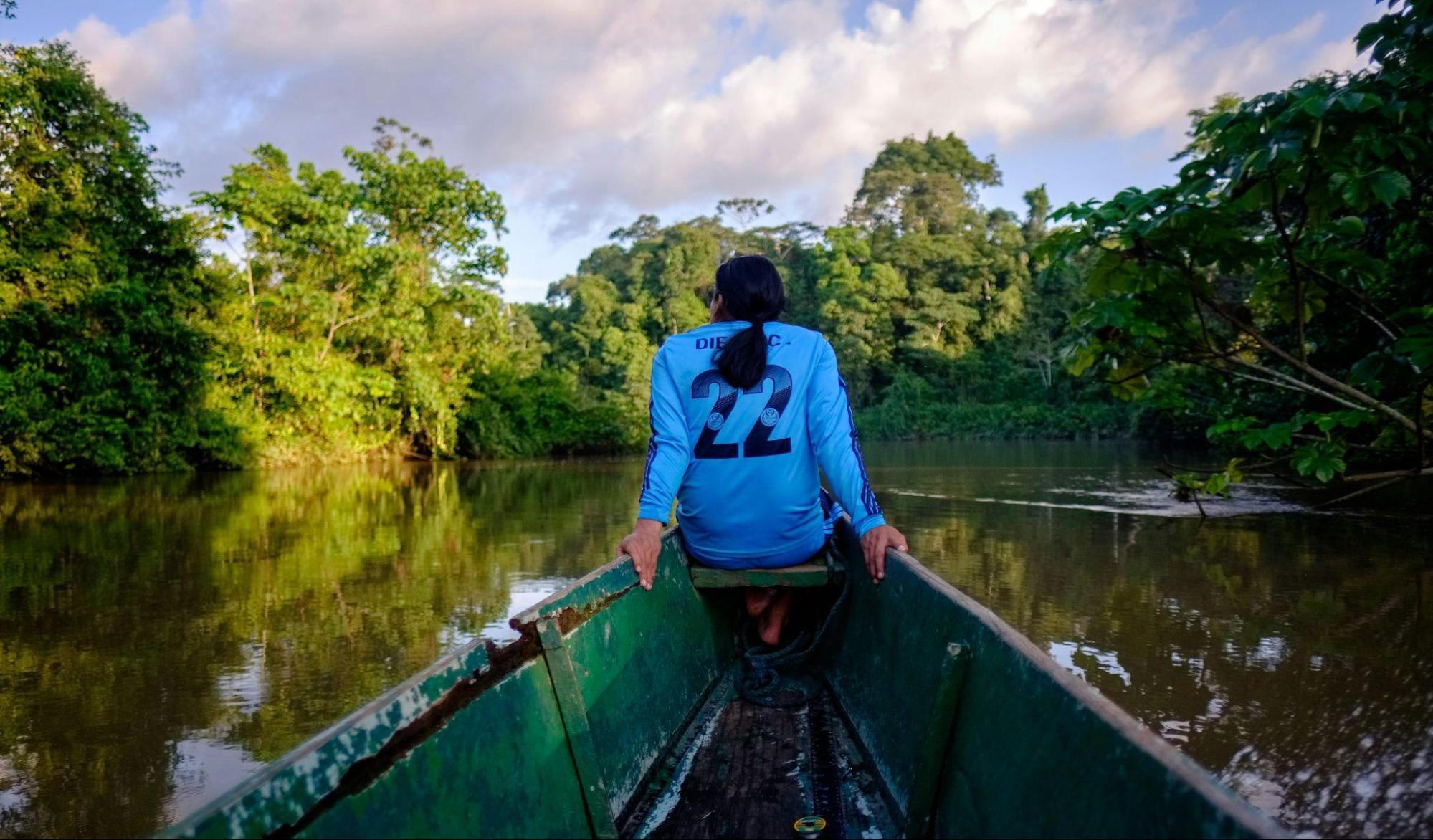
Waiting to be seen
Turning one child’s silence into a collective voice.
‘La Coloradita’ was small, but the system behind her was immense. What I was seeing in her was not an isolated story; it was the visible edge of a deeper systemic wound.
According to UNICEF data on child poverty in Latin America and the Caribbean, nearly 45% of children in the region live in poverty, a rate significantly higher than that of the general population. Children are disproportionately affected, representing a large share of those experiencing deprivation. In Ecuador, this reality is equally stark: around 38% of children live in income poverty, and nearly 47% experience multidimensional poverty.
So to the community, ‘La Coloradita’ was not evidence of a crisis. She was another child born into fragile relationships, sleeping on the floor of another crooked wooden house in the humid jungle. She was unlucky, held up by safety nets too thin to hold.
Her future looked unbothered like her present; youth poverty in rural Ecuador represents 40%–50%, reflecting deep territorial inequality. What I was witnessing, just steps from my home, was not an isolated tragedy. It was evidence of a structural wound, one that extends far beyond a jungle, beyond a country.
For others, she was invisible. For me, it was a confrontation. A reality too harsh to soften, a silence too loud to ignore.
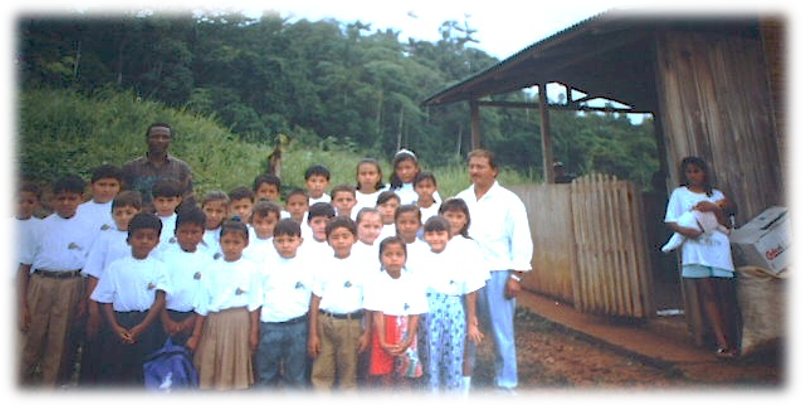
So I made a choice. And a flourishing school in the middle of the jungle was born.
We built a multipurpose room with a grant from a Canadian fund—an innovative space for learning, equipped with television and computers. I reached out to former colleagues at Discovery, and together we mobilized support. In a single afternoon, we raised $1,500. It felt like something was breaking through.
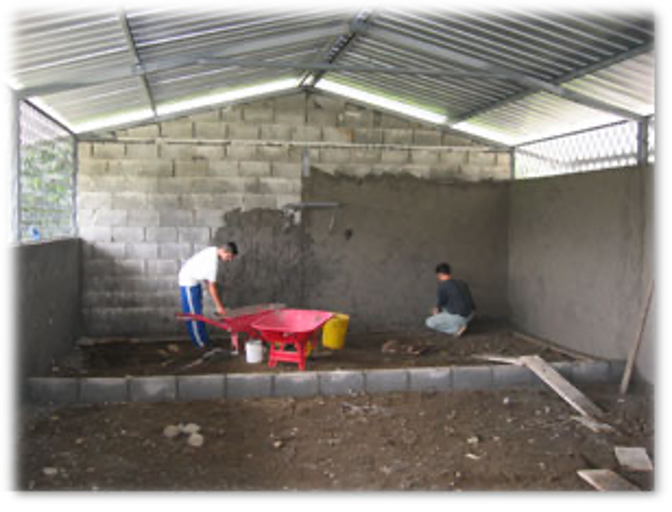
An alliance with Discovery Channel’s educational program brought new horizons. For the first time, children saw lions, giraffes, oceans, and deserts. It was magic. A window opened—and with it, the realization that the world was far larger than they had ever imagined.
We brought computers and educational software. We designed a capacity-building plan, ran workshops, developed special learning software and created new rhythms for learning. We offered daily breakfast. Health support followed—vaccinations, deworming, treatment for lice. Care, in all its forms, became part of the environment.
As children began to read and write, parents started to come. They wanted to learn how to do it too. So after-school classes for adults began. Children started arriving from distant places. New learning spaces were built.
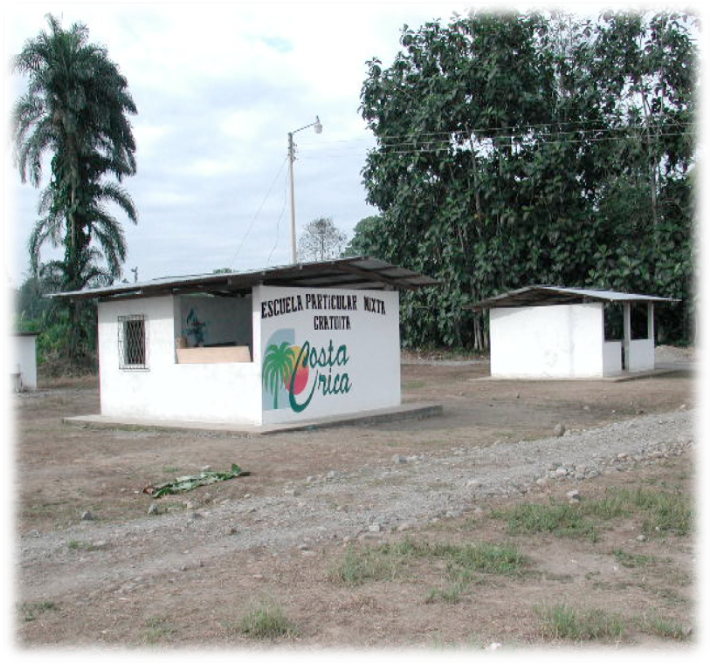
There was dignity.
There was pride.
There was joy.
There were reasons to hope.
The question was no longer whether they were capable. It was whether we were willing to build the conditions that allow that flourishing to emerge.
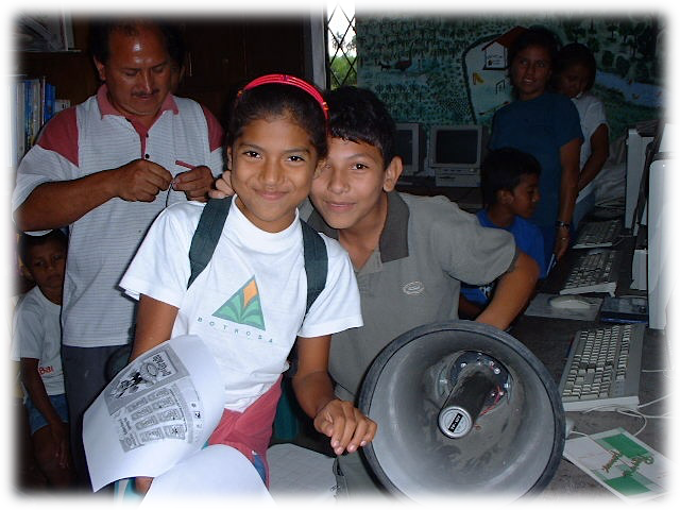
‘La Coloradita’ became Cristina, the girl she would have always been had the system not failed her. I became a social entrepreneur, a learning experience designer. The community was no longer measured by its scarcity, but by the possibilities it was building for its children.
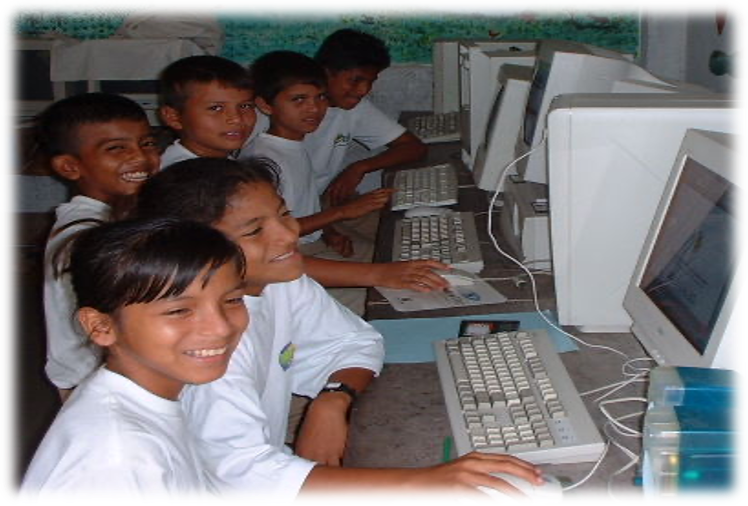
And we learned: she could do it. I could do it. We could do it.
We—the ones who refuse to accept that geography or demographics should predetermine educational outcomes. We—the ones who work to make the invisible visible, transforming absence into possibility across borders, languages, sectors, and systems.
I learned that children (and adults) flourish—even in the hardest conditions—when we create environments worthy of their trust and their love.
Back home, in Uruguay, the new learnings I brought with me led me to see cracks I previously couldn't. Our system too, fails children. Especially in rural areas. And so, Educate was born.
Picture imperfect*
(Imperfect: not complete, not fully formed, but still real, still meaningful, still capable of becoming)
What does it mean to be seen—if the only proof that you exist fits in a single, fading photograph?
I was filming a television program when I met Nicolás. He had been selected to tell the story of the initiative, a rural child waiting for us somewhere deep in the Uruguayan countryside. Getting there was a journey through layers of distance: from asphalt to stones, from stones to sand, and finally, leaving the car behind to continue on foot. Each step seemed to strip away the familiar, taking us further from what I thought I knew about my own country.
I did not know places like this still existed in Uruguay. But there I was. And there he was—waiting. Waiting to be seen. When we arrived, his aunt handed me a photograph.
“This is the only picture he has,” she said.
Nicolás stood beside me, quietly offering the image: a blurred photograph of himself next to a teacher. It was the only visual record of his childhood. The gift carried weight. The image carried value. Beneath it lay something deeper: a quiet signal of scarcity, of longing, of recognition.
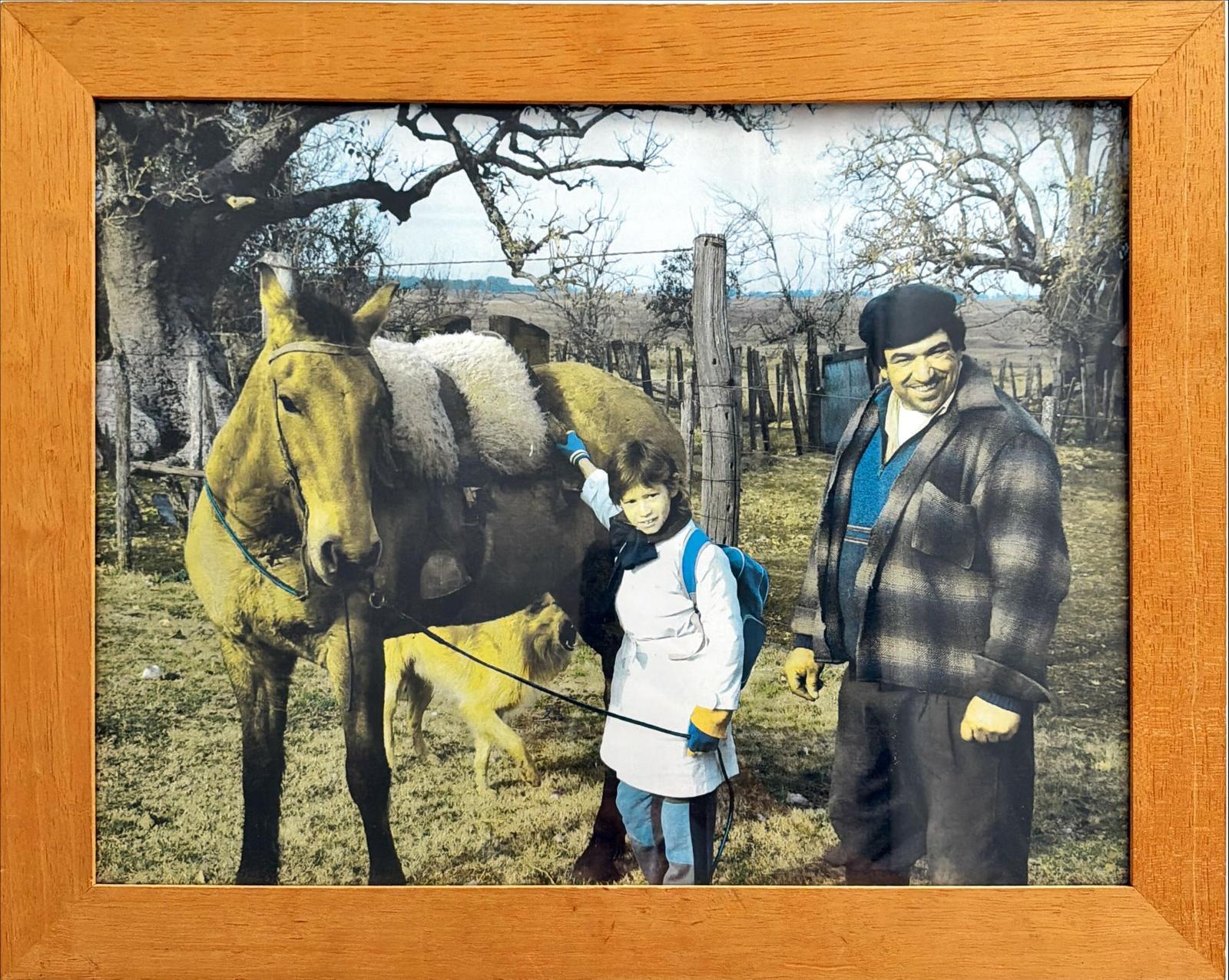
It made me question how many other children I had perhaps romanticized as living “freely” in the countryside were, in fact, growing up within hidden poverty—rich in human warmth, yet structurally deprived.
In Uruguay, nearly 40% of schools are rural, yet they serve only 5% of the school-age population. Educational opportunity gaps begin early and widen over time. Only 31.5% of rural youth complete secondary education. Attendance rates are lower, transitions to work are more precarious, and social protection is weaker. Among young rural men, only 39.4% contribute to social security in their first job. Young rural women face additional barriers, including disproportionate care burdens and reduced access to quality employment.
What the photograph revealed was not just Nicolás’s story. It was a structural pattern. Inequality does not suddenly appear in adulthood—it accumulates quietly from childhood, shaping trajectories long before young people can choose their future.
The picture was small. But what it exposed was vast.
What begins as unequal educational access in childhood evolves into displacement and, often, a quiet erosion of identity. Limited local opportunities push many rural youth to migrate—21.5% for work and 15.2% for study—yet few return. Nicolás’s picture reflects an educational system that was shaping life chances long before adulthood.
In 2009, E.dúcate Uruguay was born as a refusal to accept that rural children should dream smaller or be confined to diminished futures. But this time, the challenge demanded more than an intervention in a school. It demanded strategy—intentional, systemic, and sustained.
With time, E.dúcate became not just an organization, but a platform for systemic change. Today, our work reaches more than 700 rural schools, in 60% of Uruguay's provinces. We had empowered more than 950 teachers, accompanied the learning journeys of more than 9,500 children, and provided thousands of books, technology and high-quality educational materials and capacity building to communities that were historically isolated.
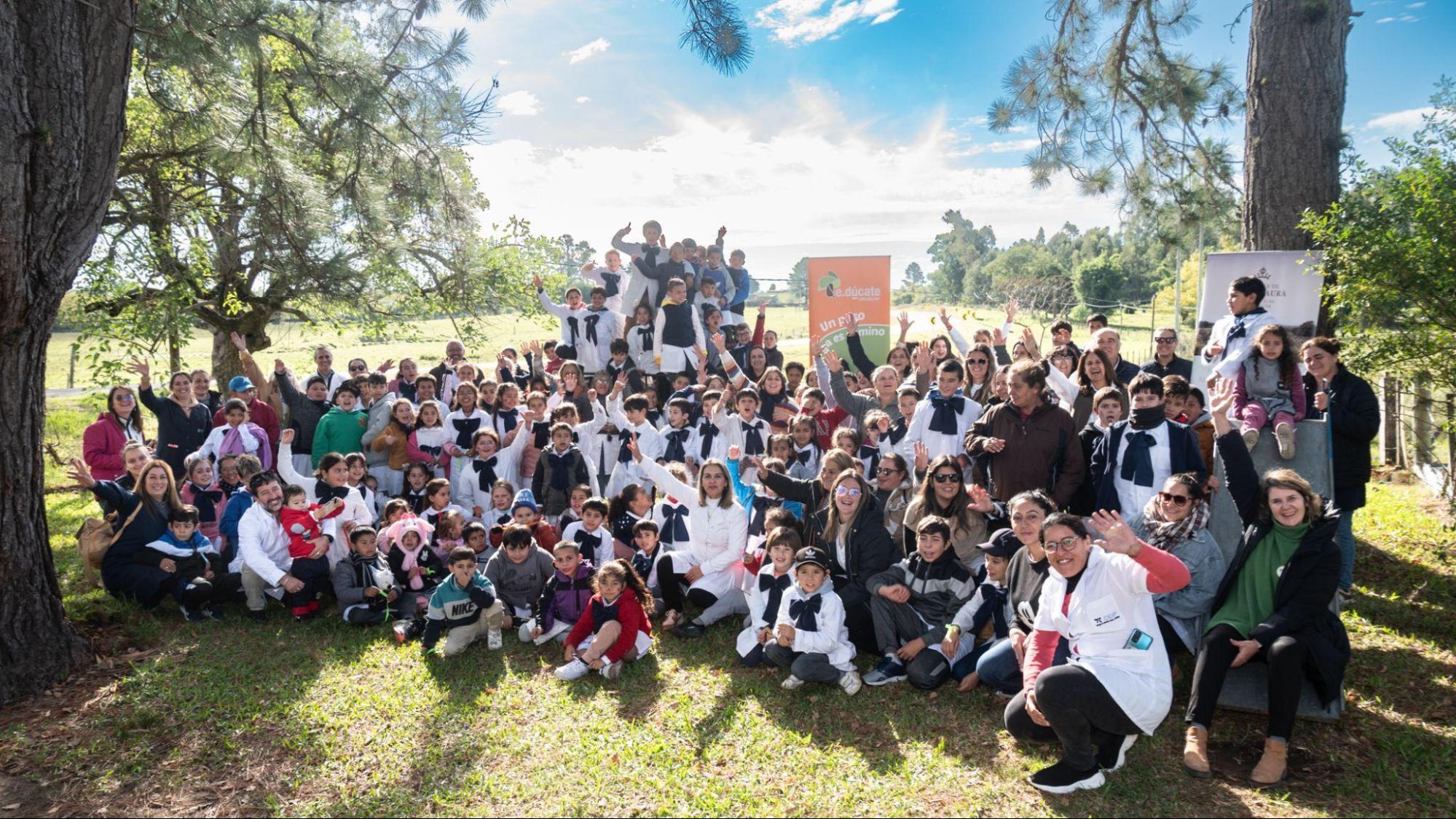
Our work at E.dúcate Uruguay stands on three interconnected lines of action: design, implementation, and research. We co-design learning ecosystems grounded in context, community, and rural identity, while expanding opportunities for international participation of teachers and children. Technology is integrated meaningfully connecting local schools with national and international expertise from all over the world. We work alongside teachers, weaving innovation into their existing strengths, responding to their needs, and nurturing their aspirations for growth and improvement.
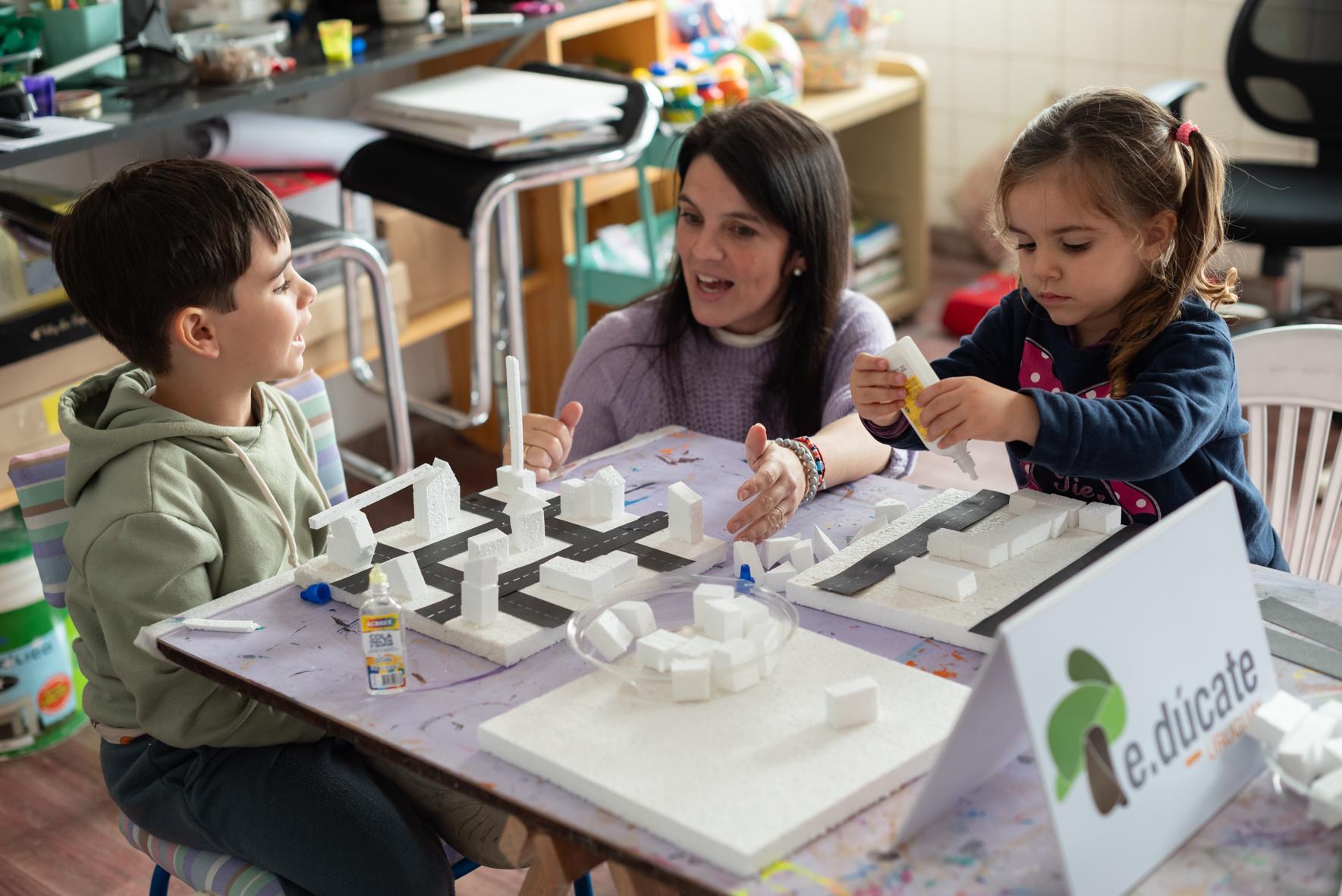
We walk alongside schools and teachers to ensure that ideas translate into sustained practice—not isolated pilots, but enduring transformation reflected in improved academic outcomes and a renewed motivation to learn, to explore, to go further. We also study what works, why it works, and how it evolves over time, turning lived experience into knowledge—and knowledge into stronger, more effective practice.
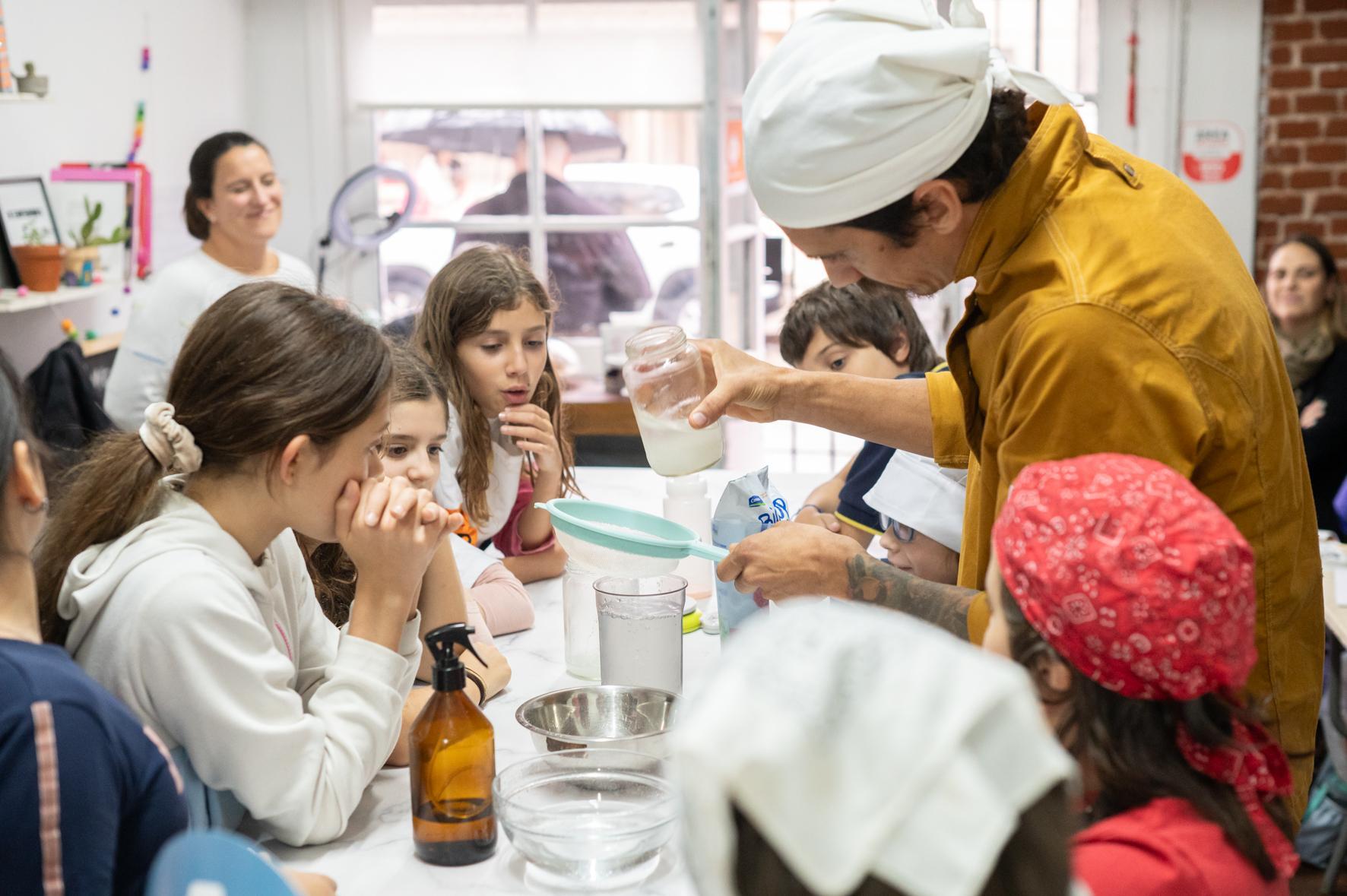
Our role became clear—not saviors, not experts, but bridges.
We wove alliances, tested ideas, generated and transformed data, widened the table, and brought more chairs. We lit small fires and kept them alive so others who shared the same concern could gather and act with us.
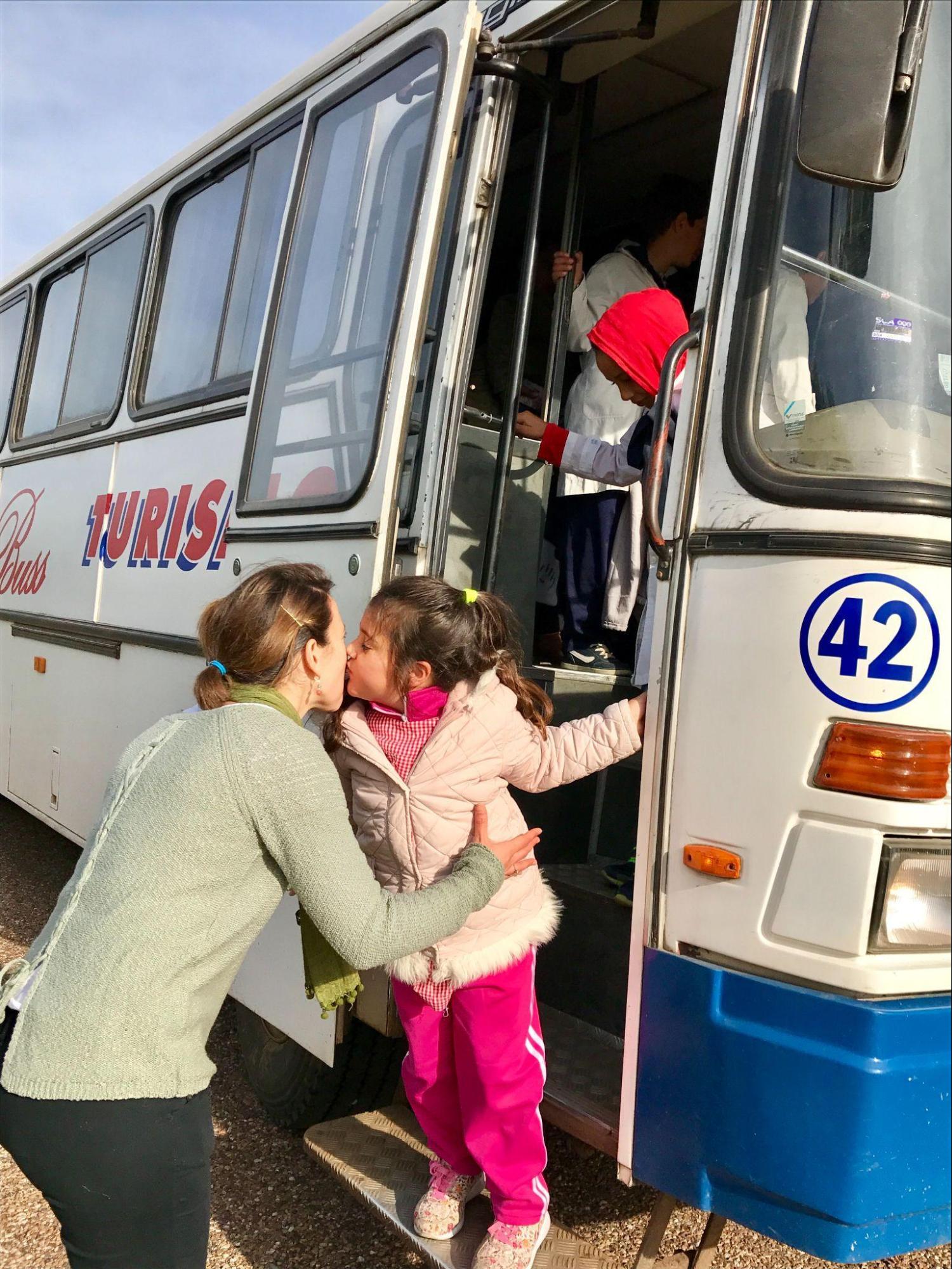
Since 2009, this effort grew from owning one picture to mobilizing more than three million dollars for children’s education. That imperfect picture, handed to me on a cold winter morning in rural Uruguay, carried within it a destiny neither of us could see.
Along the way, teachers earned multiple national and international awards, and the NGO entered prestigious global circles, participating in the World Education Forum and other influential networks of knowledge creators worldwide — bringing the voice of rural education into spaces where they are and were rarely heard.
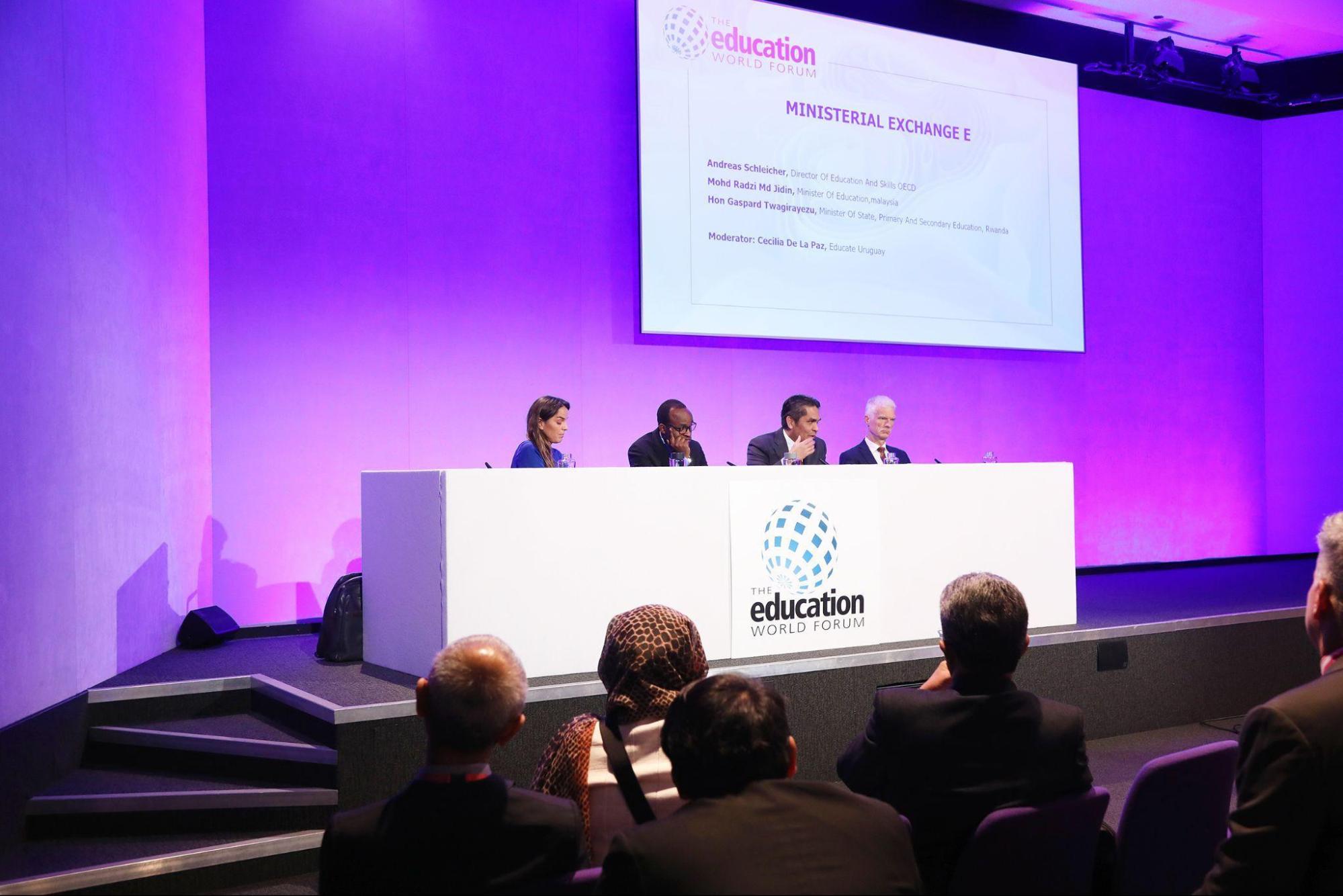
Who could have anticipated where that encounter would lead? That we would travel the world—and bring the world into the most distant corners of Uruguay. That rural children would one day sit at conference tables, enter boardrooms, see the ocean, and step into spaces once unimaginable.
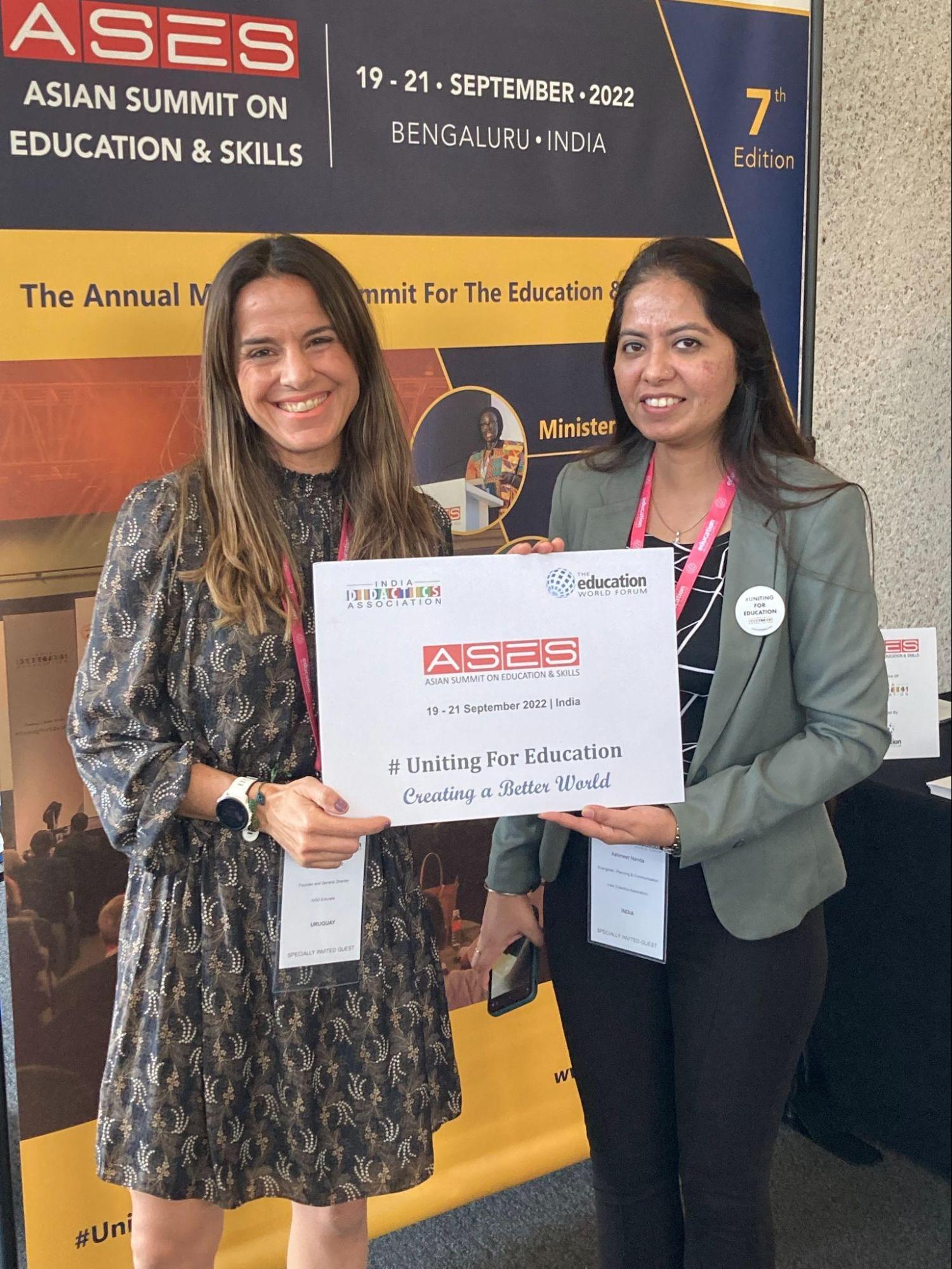
What I have learned is this: a random encounter can become intentional design. What feels like a fleeting connection can reveal a deeper pattern—one that, if we choose to see it, can reshape the way we understand learning, systems, and possibility.
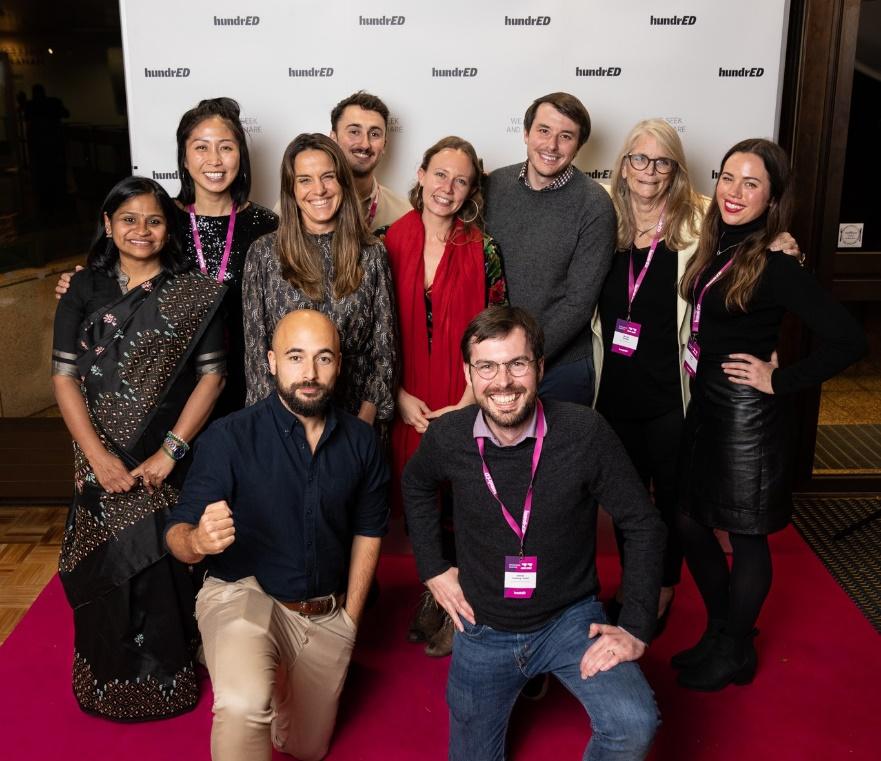
What began as human connection evolved into a way of seeing—and from there, into a way of designing, seeing life imperfect pictures, not complete, not fully formed, but real, meaningful, capable of becoming through experience and learning.
And perhaps that is where change truly begins. Not in certainty or perfection, but in the willingness to see differently, to stay with what is unfinished, and to design from within what is still becoming.
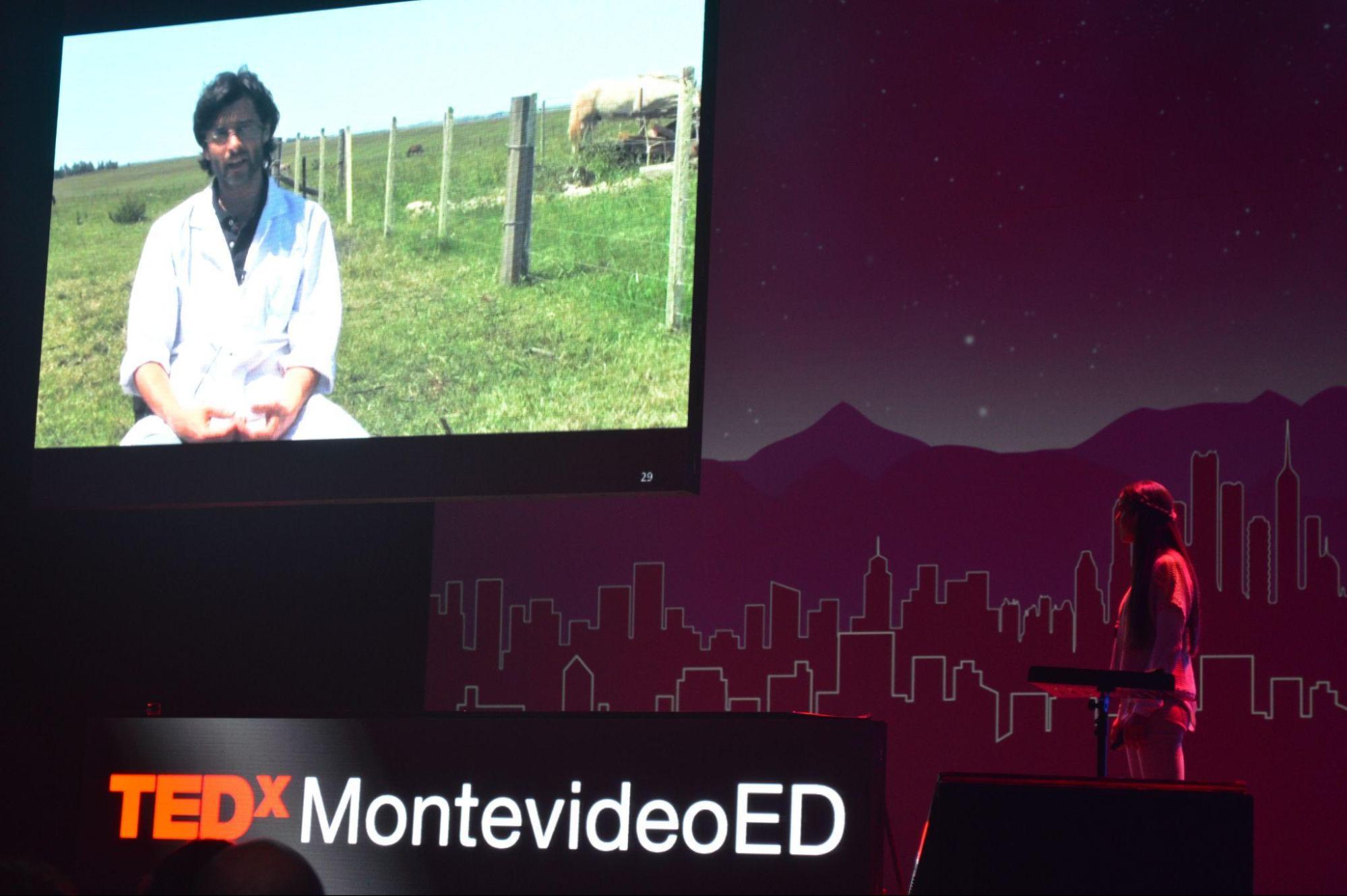
Repairing Stories
“I am the growth of those who came before me, and the source of those who will come after me.” Māori proverb
For a long time, I tried to create change without unsettling the system—or myself. I learned its language, softened my edges, mastered its logic. I pursued a doctorate in system design, mapping patterns and feedback loops. But systems do not change because we understand them. They do not shift when we whisper our truths.
They change when someone is willing to speak from a place that is both humble and clear—when conviction replaces caution, and clarity replaces accommodation. Children, teachers, and systems do not need more polished roles, but systems shaped by how humans truly learn and live.
Finding your voice is not about becoming louder. It is about becoming honest. Naming what you see. Refusing to normalize what harms. Choosing coherence between who you are and how you act.
This is not a call to start an NGO or follow a prescribed path.
It is an invitation to ask yourself:
- Where am I shrinking to fit?
- What part of me is unnamed in my story?
- What ceiling have I mistaken for the sky?
Perhaps this is how stories repair themselves—when we reclaim what was once silenced, maybe by us.
I was not meant to be the teacher the system expected.
I was meant to be the teacher my voice required.
And maybe—just maybe—you are too.
When you reach the edge of what feels permitted, crack the ceiling. Try, trust and choose the sky.
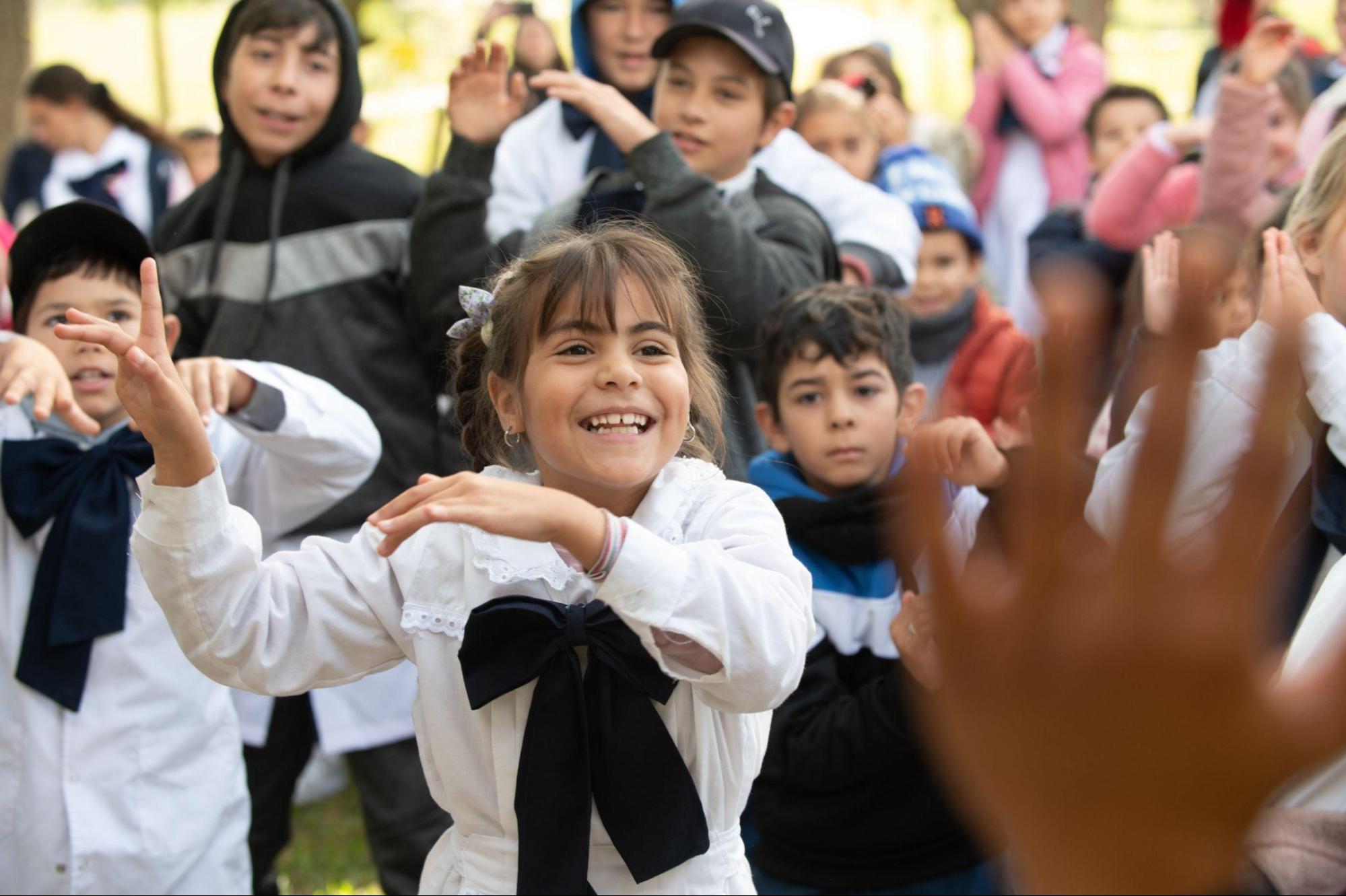
Paryma Fellowship
-
Learn more about the Paryama Fellowship →
-
Get to know the Parayma Fellows →
-
Support the Parayma Fellows →
Seed, Root, Bloom, or Harvest?
Take the Quiz!
A short reflective quiz to find your season of changework.
Subscribe to The Changework Journal
Get first access to new offers, free or discounted tickets to events Nora speaks at, exclusive access to funding opportunities we source from our network (not shared anywhere else on our channels), and more!