Community of Care After Loss
Jul 10, 2026
Community of Care After Loss
In 2014, one year after becoming a trained teacher, I faced a reality that would shape my life’s work. My friend, Mikiesha Beckles, died from a rare form of cancer, leaving behind two young sons.
As I watched their world change overnight, something troubled me deeply. No one openly acknowledged that children do grieve. There was sympathy for the family, support for the adults, but very little direct attention given to the emotional world of those boys. It was as if childhood grief was invisible.
That silence stirred something in me.
Anchored in the scripture James 1:27, which calls us to care for the vulnerable, I made a decision to use my voice. I would speak about childhood grief. I would advocate for children whose pain was overlooked. That decision helped me find my purpose.
Breaking a Cultural Silence
In Guyana and across the Caribbean, death and grief are often treated as taboo topics. Conversations about emotional pain are avoided. Children are expected to be “strong.” Adults are encouraged to move on quickly. When loss is traumatic, such as in cases of sudden death or violent deaths, the silence can be even heavier.
I quickly realized that advocating for bereavement care would not be easy. At first, many people resisted the conversation. Some questioned whether specialized grief support was even necessary. Others felt it was too uncomfortable to address publicly.
The uphill battle was real.
But instead of trying to convince everyone at once, I focused on the families who were directly affected. I provided counseling. I created safe spaces for children to speak openly. I listened to stories of heartbreak and slowly witnessed stories of healing and recovery. As families began to experience transformation, others began to pay attention.
The work started to speak for itself.
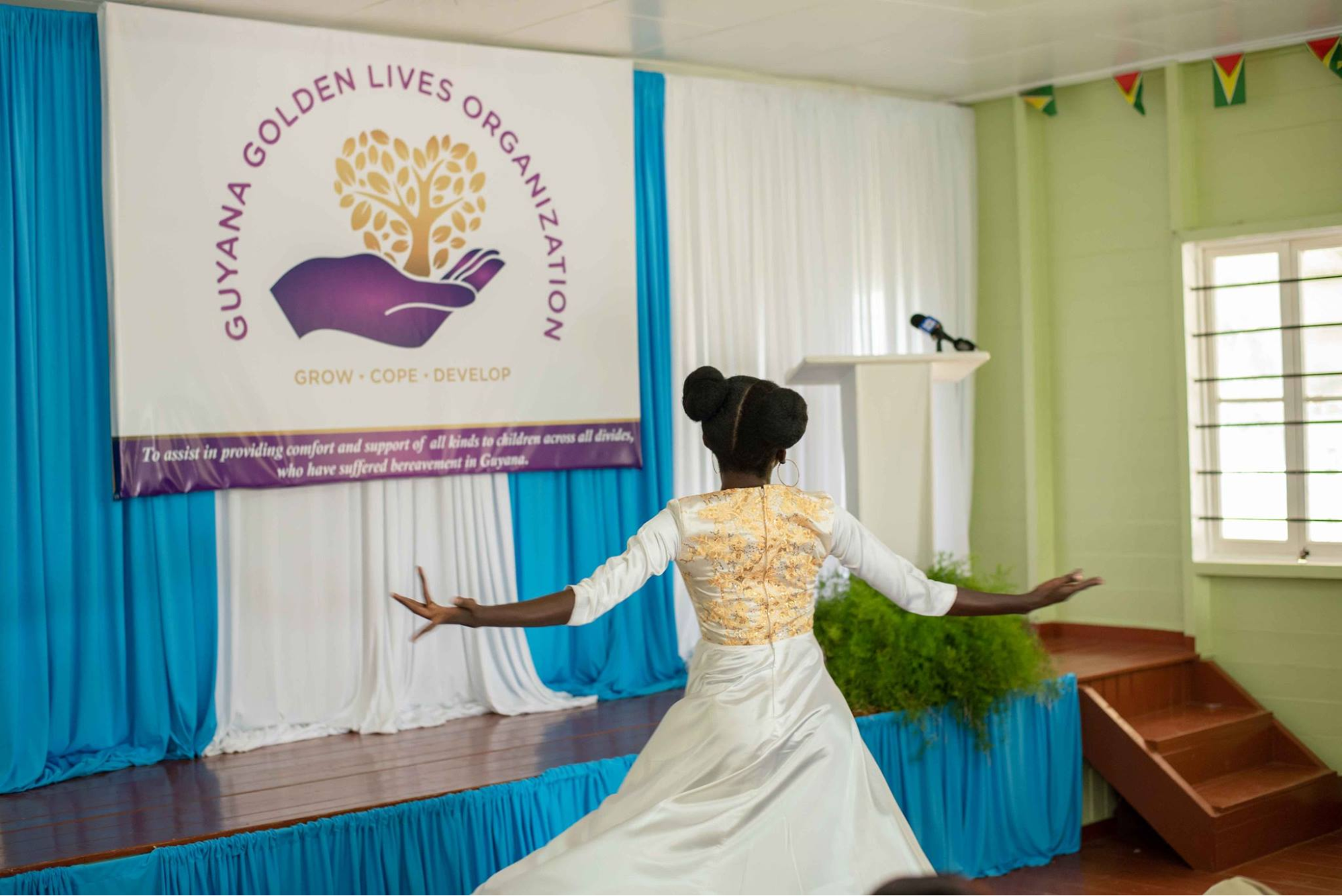
Launch ceremony of GGLO in November, 2018 on Children’s Grief awareness day
From Grassroots to Systems Change
In 2016, I launched the “Be a Mentor, Make a Difference” campaign to inspire communities to provide practical support to bereaved families. That movement eventually led to the founding of Guyana Golden Lives Organization (GGLO), the first nonprofit of its kind in Guyana dedicated to supporting children who have experienced loss.
Through scholarships, support groups, and trauma-informed services, GGLO has directly helped more than fifty bereaved children rebuild their lives. When tragedy took a parent from a teenage girl without warning, it threatened to take her future along with it. GGLO stepped in — contributing towards school supplies, transportation, and tuition fees through high school and technical institute, so that grief would not cost her an education. Consistent support over seven years. Today, she holds a Bachelor's degree in Civil Engineering from the University of Guyana and is building a career in her field. This is what the GGLO Scholarship Fund exists to do. We have also trained educators, community leaders, and professionals who work with families affected by grief, loss and trauma.
At the same time, I pursued higher education to strengthen the foundation of this work. My evolution has been both academic and grassroots. I have contributed to postgraduate training in trauma and resilience and facilitated workshops nationwide. Advocacy at the community level and systems-level change have gone hand in hand.
What once felt like an uphill struggle began to shift. The conversations grew louder over the last ten years. Finding their way into newspapers, onto radio and television, into schools and communities through workshops, and into collaborative spaces with NGOs, the British High Commission, and mental health organisations — until what had once been underestimated in private became a cause championed in public. The resistance softened. Guardians started to reach out for support and loved ones were making referrals for our services.What was once considered taboo slowly became part of a national dialogue.
Resilience became a central theme in everything I did. I learned that resilience is not about denying pain. It is about equipping individuals and communities with the tools to navigate it.
When the Advocate Became the Grieving Daughter
For more than a decade, I held space for children who had lost parents. I walked alongside families navigating funerals, anniversaries, and the long road of adjustment.
I had never lost a parent myself.
Then in 2025, my father was diagnosed with cancer.
The experience felt surreal. I had spent years walking alongside bereaved children and families, holding space for their pain, building structures so they would not have to navigate loss alone.I understood the language of grief. I knew the emotional weight. Yet none of that fully prepared me for the sacred and deeply personal reality of caring for my own father during his final months and eventually watching him take his last breath. What a sacred gift it was.
For three months, I became his primary caregiver. On June 19th, he died in the afternoon. In the morning he called for me to come see him and when I arrived he asked me to hug him then told me that ‘dying feels good’. I stood by his bedside for another three hours after he uttered those words while accepting the fact that he was ready to go.
The anguish was real. This loss changed my world in a way that felt intimate and irreversible yet empowering. Supporting others through grief had been part of my professional calling. Losing my father was different. It was holy ground. It reshaped my understanding of vulnerability and strength.
For the first time, I was not the counselor in the room. I was the daughter grieving her father.
That shift taught me something I had not fully understood until I lived it. There is something profoundly disorienting about being the helper who suddenly needs help. For years I had been the one showing up, the one holding the space, the one who knew what grief looked like from the outside. Now I was inside it, and it looked nothing like I expected from where I was standing. The brain fog was thick. Simple decisions felt impossibly heavy. Sleep came and went without warning. Appetite disappeared. Concentration was scattered. I would start a sentence and forget where it was going. I would look at my phone and not remember why I had picked it up. Grief had moved into my body and rearranged the furniture.
I have always been someone who reaches out for support. That is something I have never been too proud to do. But this time was different. The exhaustion of grief, the specific kind that lives in your bones after months of caregiving and then loss, had taken something from me. I did not have the capacity to initiate. I did not have the words to ask. I barely had the energy to answer when people called.
I am so grateful that the people who loved me did not wait for me to ask.
My community of care, including family members, friends and mentors, showed up without being summoned. They cleaned my house, cooked meals, and provided other tangible forms of support. But perhaps the most important thing they did was remind me to grieve. Not to manage it. Not to process it efficiently. Not to be the professional who models healthy bereavement. Just to grieve. They gave me permission to put down the version of myself that always knows what to do and simply be a daughter who had lost her father.
I had to reject the urge to be strong. That urge was strong. It is deeply woven into who I am and into the role I have occupied for so many years. But strength, I was reminded, includes knowing when to receive. Resilience includes surrendering to your own pain long enough to let it move through you. I listened, not always easily, but I listened, for my own survival and healing.
Everything I had poured into this work, the support groups, the conversations, the belief that grief does not have to be carried in silence, I needed it too. And it held me. Not perfectly. Not quickly. But it held.
I grieve, but I do so with hope.
My advocacy did not change direction after losing my father. It changed texture. There is a difference between knowing something and living it. I had always known that grief reshapes a person. Now I know it from the inside. I have been changed by this loss, not shattered by it. There is a difference, and that difference is everything. That knowledge has made me a more honest advocate, not because I feel obligated to model resilience, but because I genuinely believe what I have spent ten years telling others. Healing and recovery is possible. Not instant. Not painless. It is possible.
I am not standing outside this work looking in. I am in it, fully, personally, and with everything that means. That is not a burden. It is, in the most unexpected way, a gift.
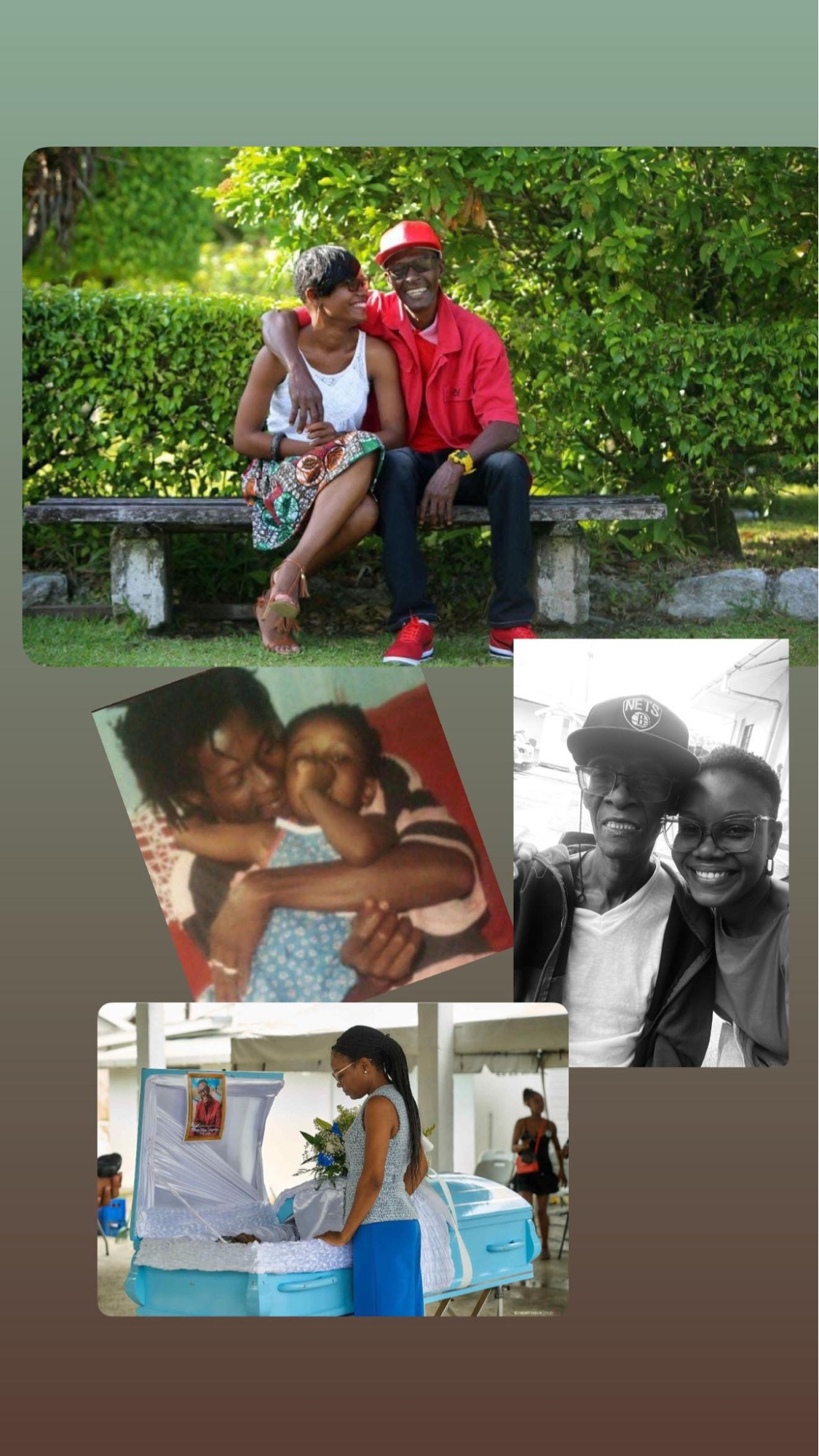
Throughout the years with daddy
The Outcome: A Community Where No One Grieves Alone
The vision that began in 2014 remains clear today. A future where no child grieves alone. A future where trauma-informed care is accessible to families affected by sudden or violent loss. A future where communities understand that children do grieve, and their grief deserves attention.
Resilience can be developed. It can be taught in classrooms, modeled in homes, and reinforced in communities. It grows when people are informed and supported.
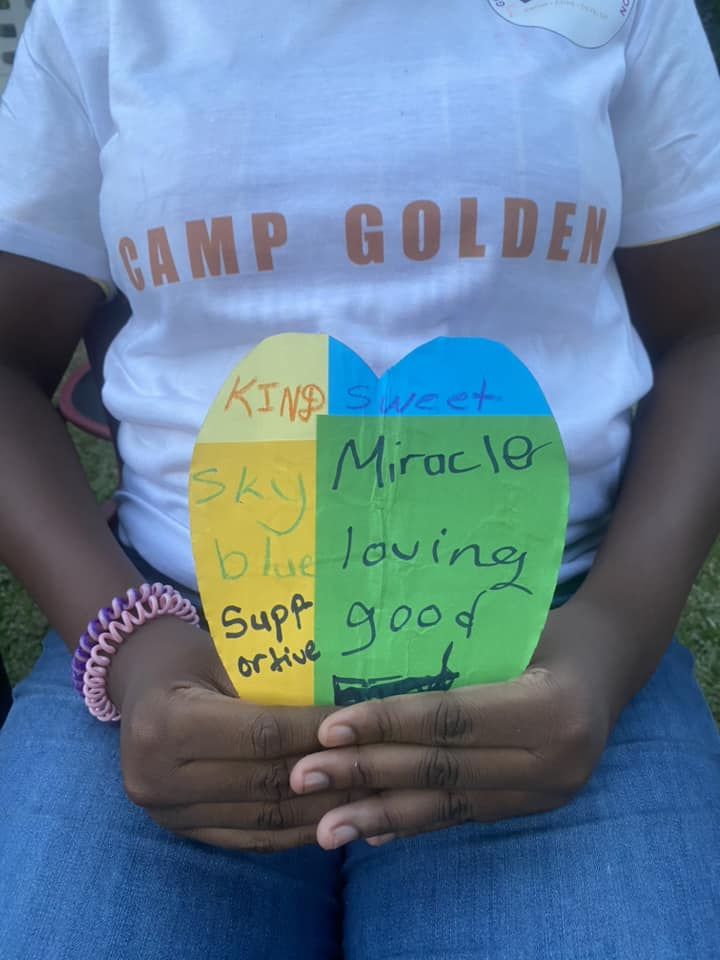
Camp Golden
The Choice Before Us
Each of us faces a choice when grief enters our community. We can avoid the discomfort, or we can lean in with compassion and courage. We can allow silence to continue, or we can build structures of care.
Choosing community is how we turn individual pain into collective strength.
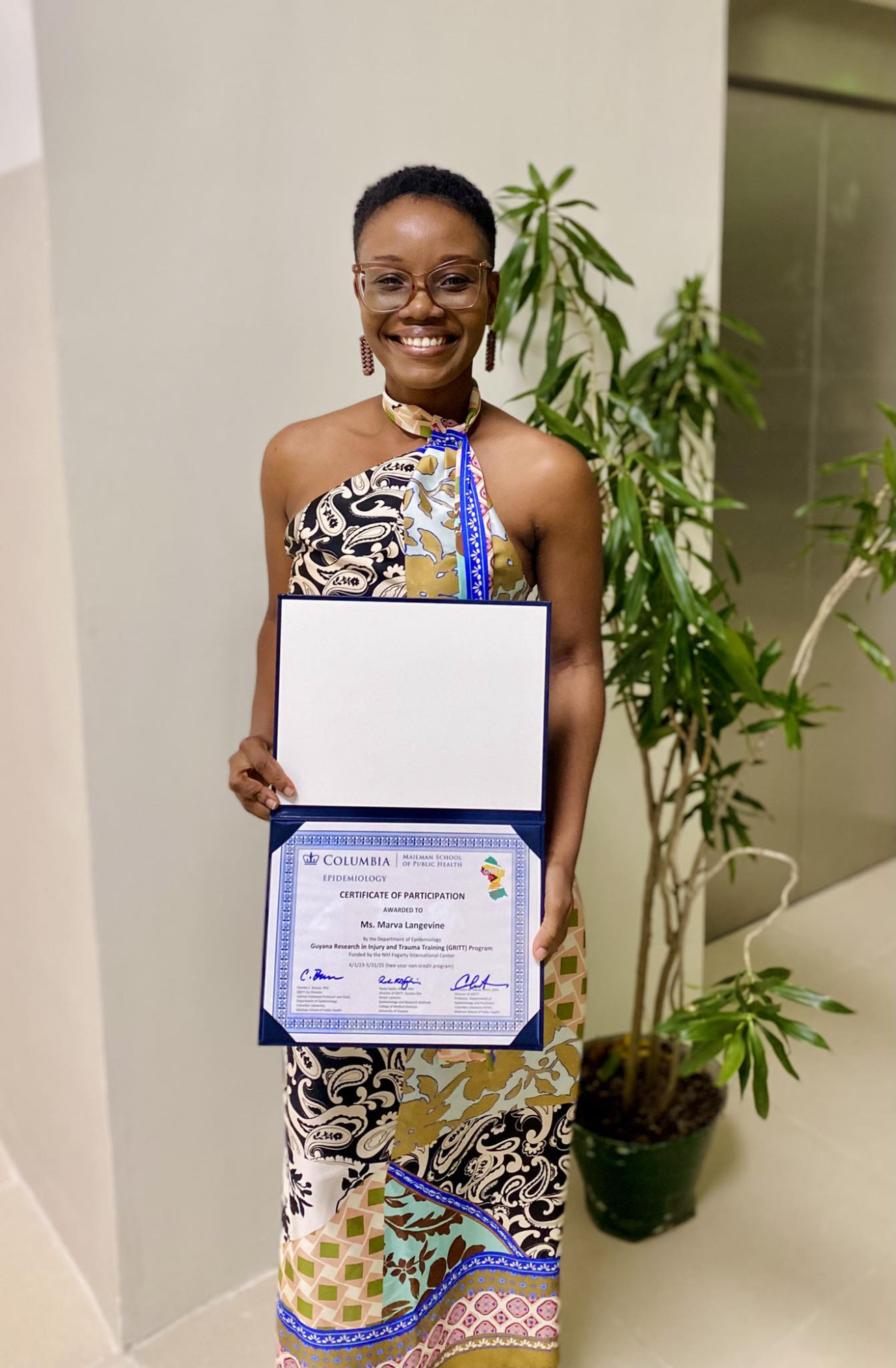
Graduation ceremony Guyana Research in Injury and Trauma Training (GRITT) program
A Call to Community and Resilience
Guyana Golden Lives Organization exists to ensure that bereaved children and families receive the support they deserve. But a true community of care requires more than one organization. It requires all of us.
You can be part of that transformation. Learn about grief and trauma. Support a bereaved family. Encourage open conversations in your schools, workplaces, and faith communities. Partner with or support GGLO as we continue to expand trauma-informed services and resilience-building initiatives across Guyana and the Caribbean.
Imagine communities where no child’s grief is dismissed. Imagine families navigating even traumatic loss with informed support. Imagine resilience not as a rare trait, but as a shared practice.
The pain of loss is real. The uphill battles are real. But so is healing. So is recovery. So is hope.
Together, we can continue building a community of care where grief is acknowledged, resilience is nurtured, and no one walks alone. Mikiesha's sons are teenagers now, and many of GGLO's earliest beneficiaries are young adults — their lives a testament to what meaningful, sustained support can do for a child navigating loss.
Paryma Fellowship
-
Learn more about the Paryama Fellowship →
-
Get to know the Parayma Fellows →
-
Support the Parayma Fellows →
Seed, Root, Bloom, or Harvest?
Take the Quiz!
A short reflective quiz to find your season of changework.
Subscribe to The Changework Journal
Get first access to new offers, free or discounted tickets to events Nora speaks at, exclusive access to funding opportunities we source from our network (not shared anywhere else on our channels), and more!