From Beauty to Bravery: Why I Traded Aesthetics for the Fight Against Malnutrition
Jun 18, 2026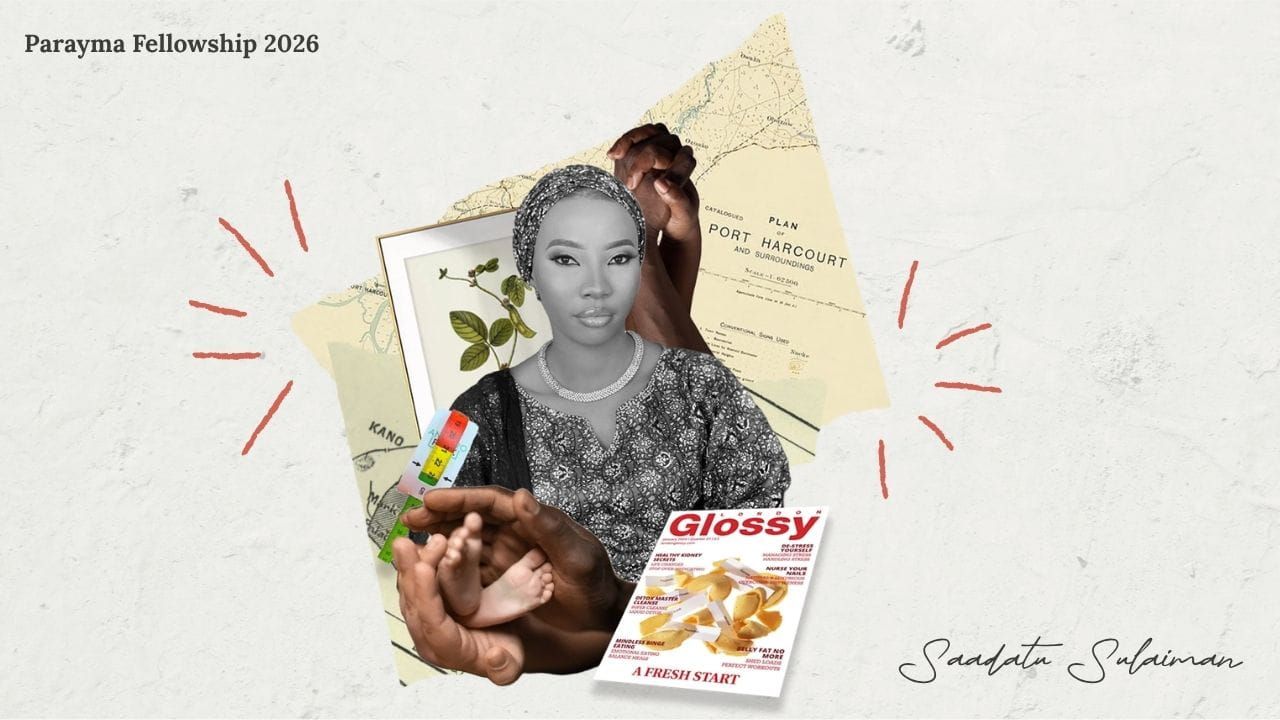
Childhood curiosity taking shape
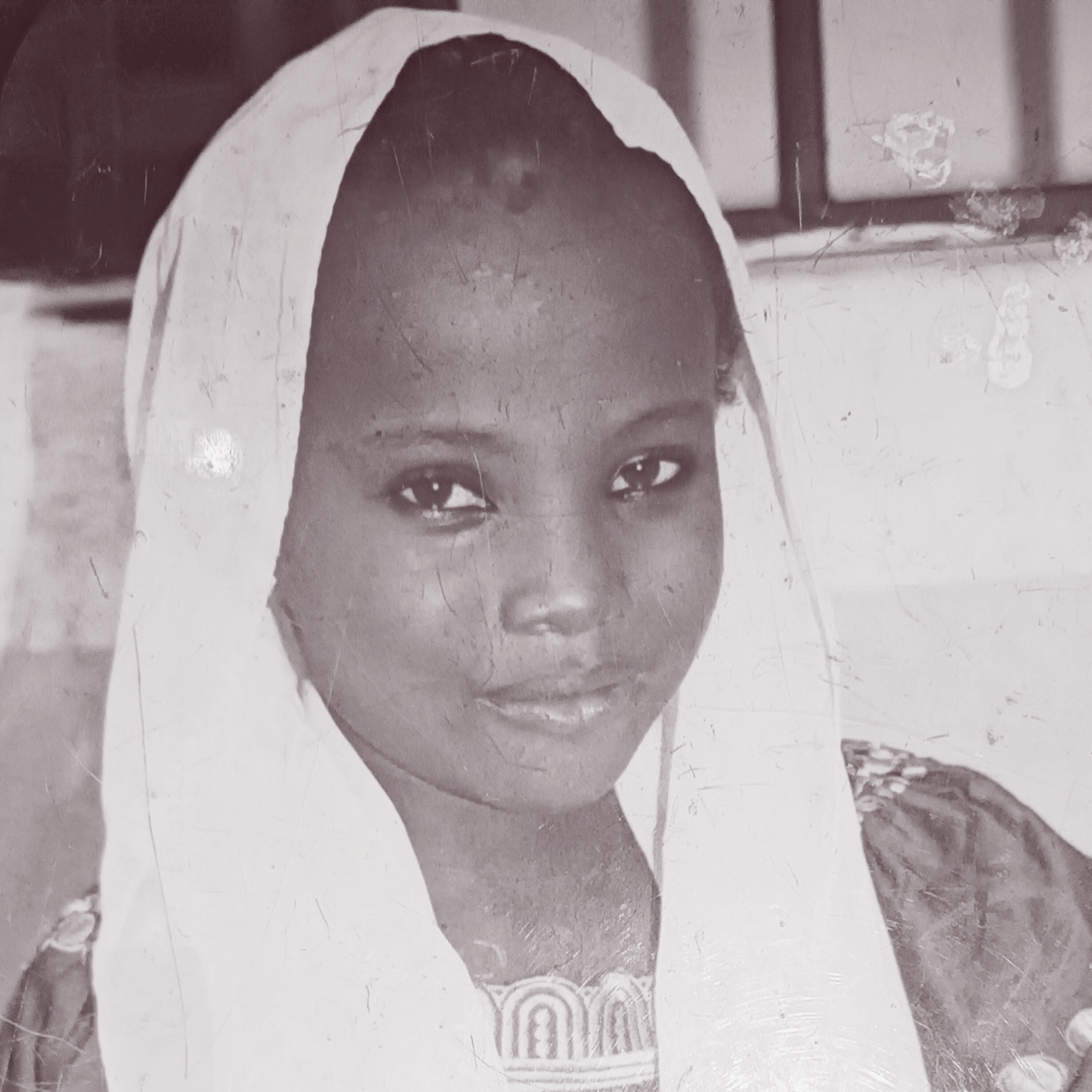
When I was growing up in Port Harcourt, I was obsessed with beauty. Not in a shallow way, but in the way many young girls try to understand who they are becoming. I admired women who seemed confident, elegant, and radiant. They looked like everything I thought beauty should be.
My grandmother sold newspapers, and whenever new bundles arrived, I rushed to her house not for the news, but for the magazines tucked inside. I read everything: what celebrities ate, how certain foods could make you slimmer, how appearance could be shaped through diet. That was how I began to understand food, not as nourishment, but as a tool for becoming “beautiful.”
By the time I reached secondary school, that curiosity had quietly turned into pressure. Slowly, without realizing it, I began to control my food, shrink my body, and measure my worth by how I looked. Like many girls, I didn’t see it as a harm. I saw it as discipline.
The Weight of Survival
Everything I understood about food began to change when I studied Nutrition and Dietetics.
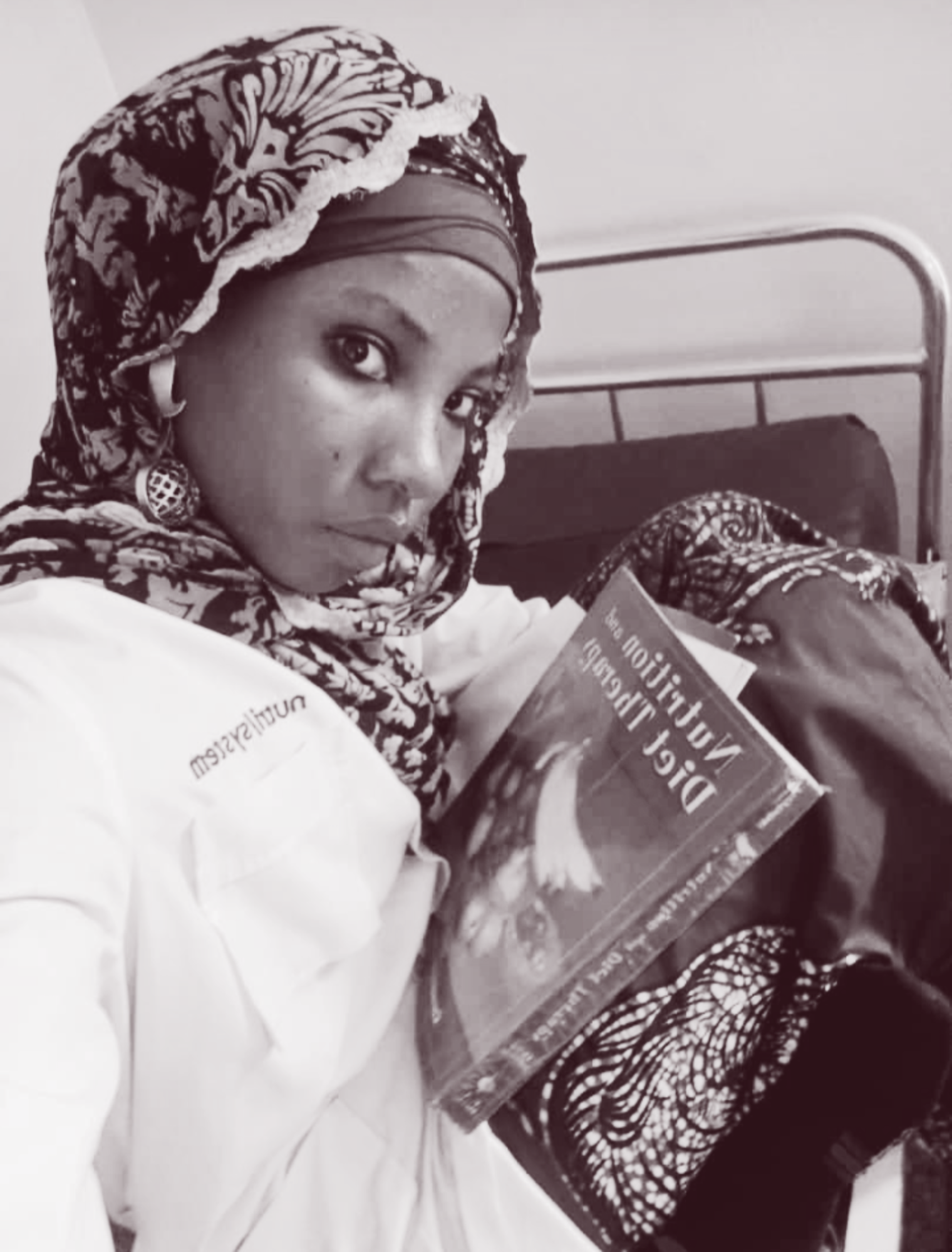
What I encountered had nothing to do with appearance and everything to do with survival.
I saw children too weak to cry. I met mothers who believed their babies were cursed because the system around them had failed to provide answers. Inside that system, a pattern became impossible to ignore: we were structured to act only after harm had already happened. We waited until a child became severely malnourished, until their ribs were visible, until the situation had already escalated. Then we counted. Then we documented.
But I did not choose this field to document suffering. I chose it to prevent it.
A Child I Didn't Recognize
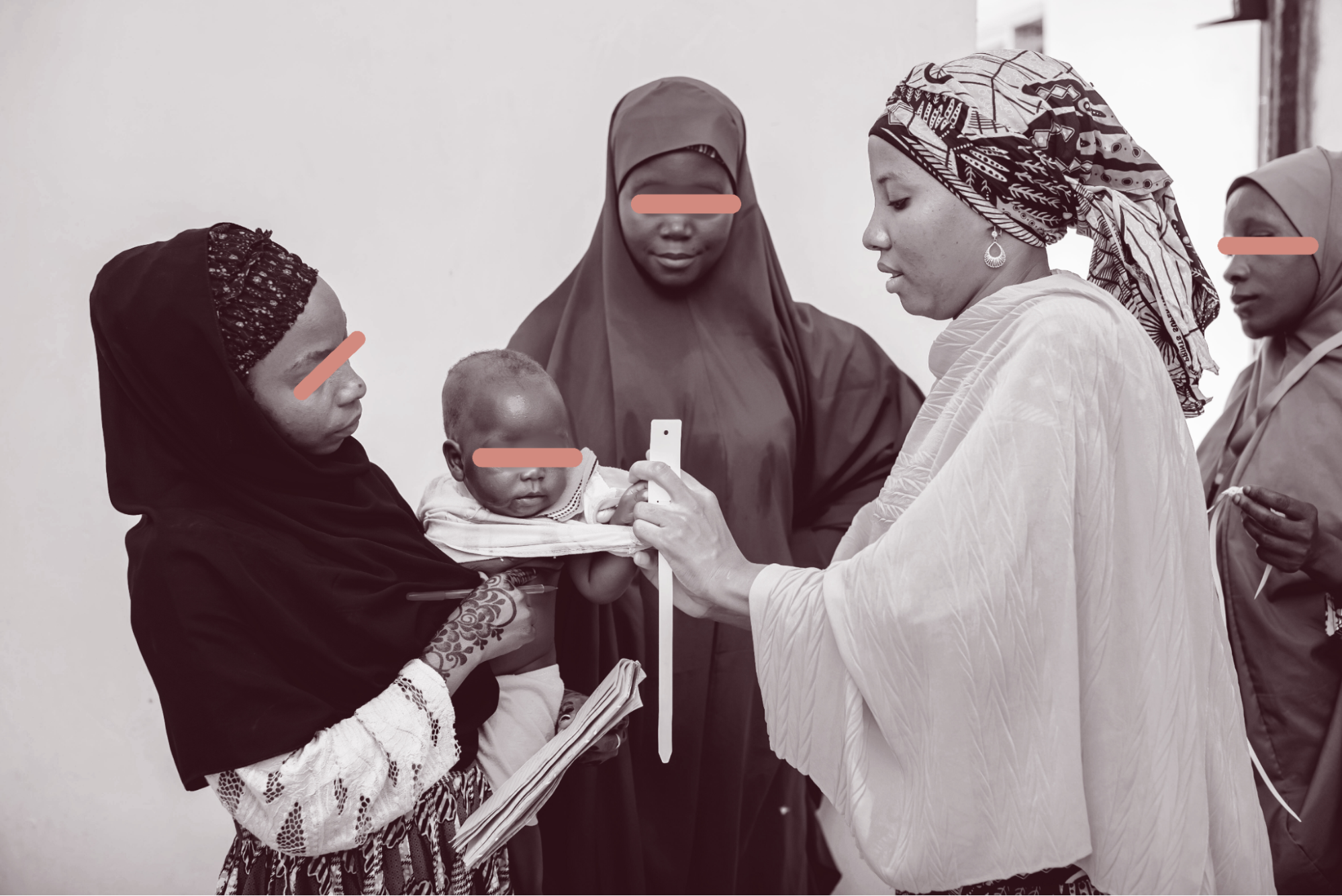
One day, a mother came looking for me; not for a consultation, but simply to say hello. She stood before me holding her baby, smiling with quiet pride. The child looked healthy, bright-eyed, and full of life.
Her face was familiar the moment she walked in, but the child in her arms was unrecognizable to me.
We had met earlier during my training. At the time, she had arrived with a child so small and fragile it was impossible to look away. Her milk was not flowing, and the baby had nothing to feed on. For days, we worked together. I sat with her, guiding her through expressing breast milk slowly, patiently, and sometimes painfully. We collected what we could, feeding the baby little by little while waiting for her body to respond. It was not immediate. It took time, consistency, and trust. But eventually, her body responded. The milk began to flow. And gradually, the baby began to change.
She returned not because she needed help, but because she wanted me to see. To see that her child was now feeding, growing, and healthy. That moment made the work real in a way data never could. Behind every statistic is a child whose life can go either way depending on whether someone shows up at the right time.
What We Created
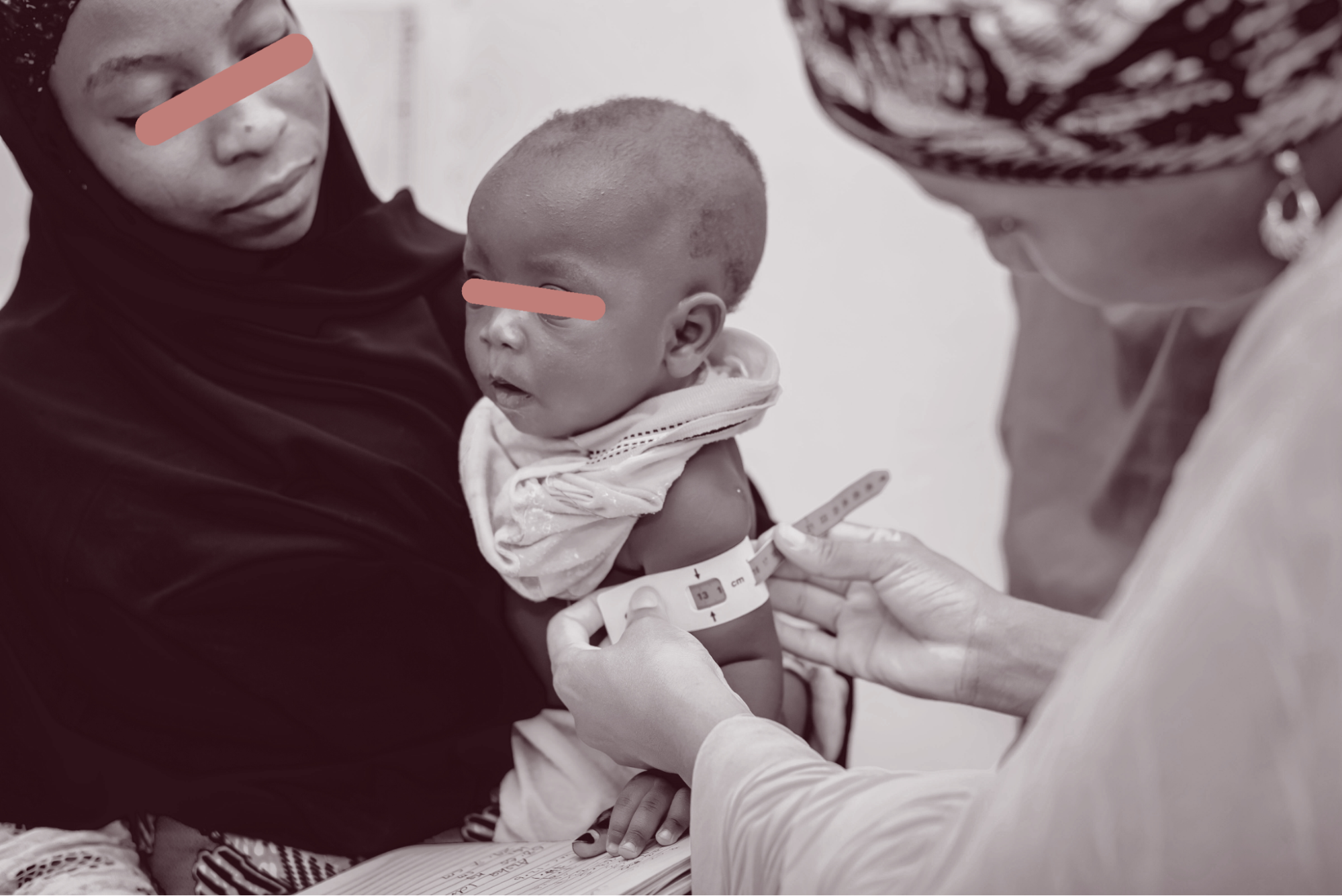
That is how Fight Malnutrition was born: not as an idea, but as a response to what I had witnessed and what I refused to accept. We work at the community level, focusing on prevention rather than waiting for a crisis. We support mothers, train caregivers, strengthen local systems, and take nutrition services to communities that are often overlooked. More importantly, we shift ownership, because real change happens when communities are not treated as beneficiaries, but as leaders.
Somewhere along the way, I stopped chasing how I looked and started paying attention to what it means to keep someone alive. I became less concerned with appearance and more committed to impact. This work has reshaped how I see value not in how bodies look, but in whether they are nourished, growing, and given a chance to thrive.
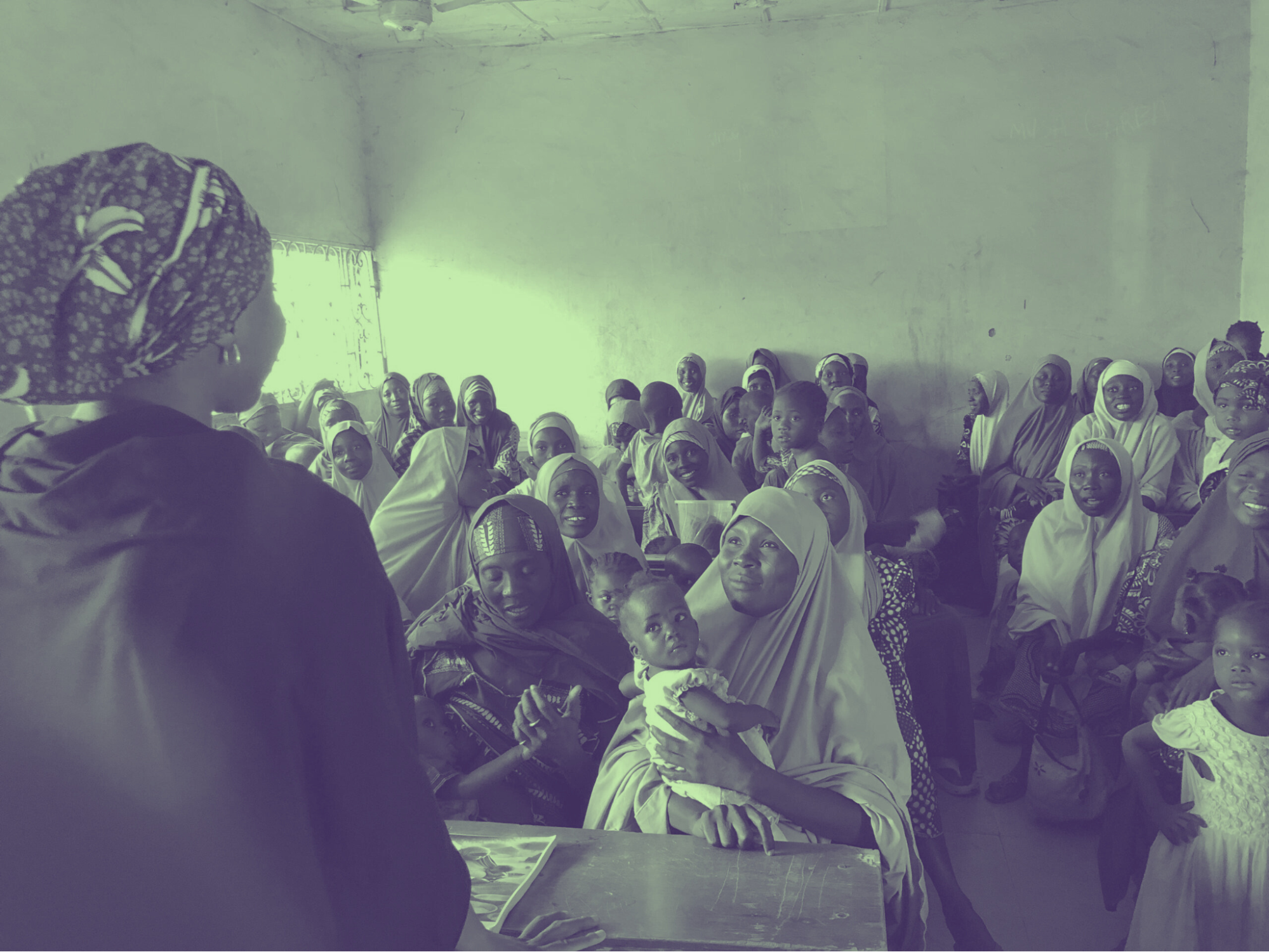
Through this work, I have witnessed transformation that goes far beyond health outcomes. Mothers grow more confident in their ability to nourish their children. Caregivers step into roles as educators within their communities. Over time, entire communities begin to protect their own children, not because they were instructed to, but because they understand how.
Why Child Nutrition is Human Development
Conversations about human capital development lose meaning when children are malnourished. Innovation cannot thrive where cognitive potential is limited early in life. And Africa’s future depends on how well we protect children during their most critical years.
Malnutrition does not only stunt bodies; it limits learning, narrows possibilities, and shapes futures before they even begin. To be blunt, ‘human capital’ development starts in the womb and continues through the first 1,000 days of life. If we fail in that window, the consequences extend far beyond health; they affect education, productivity, and the future of entire communities.
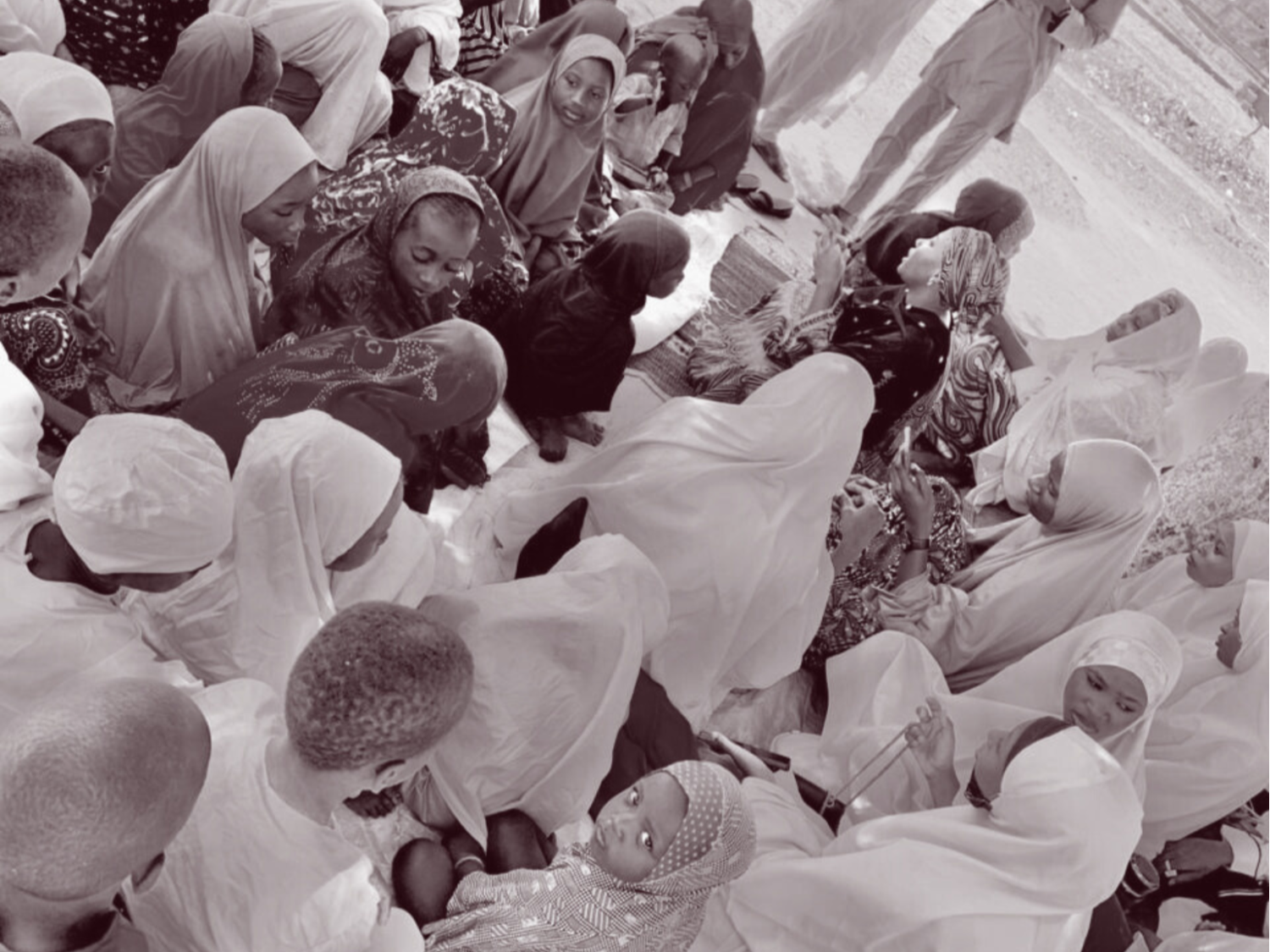
Through Fight Malnutrition, we have reached thousands of women and children across communities in Nigeria, providing nutrition support, managing cases of malnutrition at the community level, supporting vulnerable households, and building local capacity through training and education.
But this is only the beginning.
What We Have Seen So Far
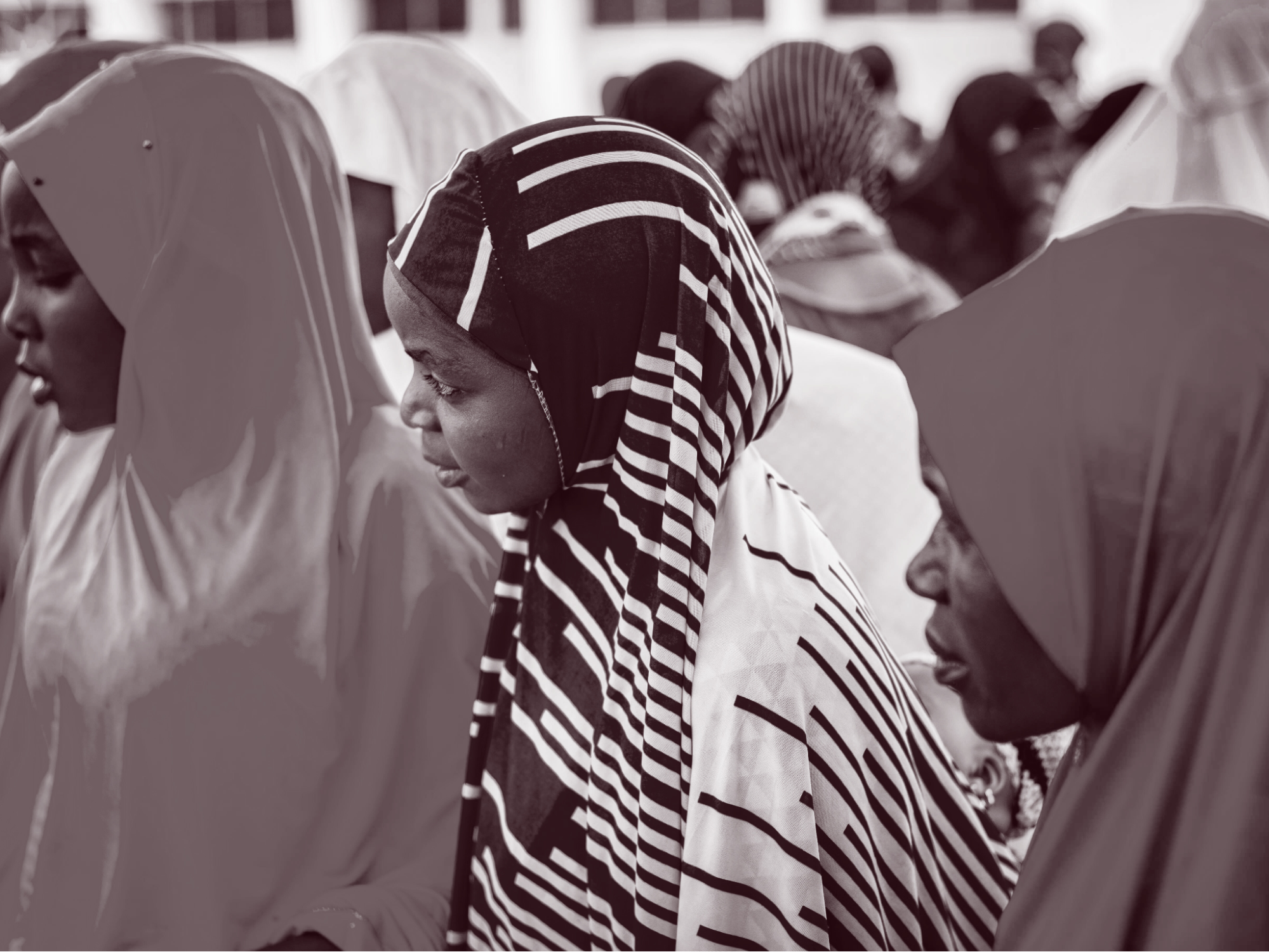
What began as individual moments of change has grown into measurable impact across communities. The same stories of recovery, learning, and resilience are now reflected in the numbers, each one representing a life reached, a mother supported, or a child given a better start.
Through Fight Malnutrition and our community work:
- 2,860 women educated on Maternal, Infant and Young Child Nutrition (MIYCN)
- 2800 children have received nutrition support
- 1873 Moderate Acute Malnutrition (MAM) cases managed at community level
- 960 vulnerable households supported with food assistance
- 537 Severe Acute Malnutrition (SAM) cases identified and referred to health facilities
- 450 Women trained on soy milk and Tom Brown formulation using local ingredients
- 8 communities in Kano State Nigeria
What Comes Next
Our next step is MOMCare (Mother’s Own Milk Care), a simple, facility-linked lactation support model designed to ensure newborns receive their mother’s milk immediately after birth and during the early postnatal period.
Breastfeeding is one of the most powerful, low-cost, life-saving interventions we have. Yet in Kano State, fewer than 1 in 7 infants are exclusively breastfed. This means many children begin life already disadvantaged. And MOMCare is designed to protect the very first nutrition a child receives because prevention must begin at birth.
Every child we help is not just a life saved.
It is a future protected.
A malnourished child struggles to learn; a child who cannot learn struggles to finish school; and a young person without that foundation struggles to participate meaningfully in society.
This work cannot be done alone. It requires all of us (partners, communities, policymakers, and individuals) to shift from reacting to crises to preventing them.
It requires us to invest in what works, trust communities to lead, and recognize that every child deserves more than survival.
Because the truth is simple. No child should have to become a statistic before they are saved. The future we speak of begins with the children we choose to protect today.
Paryma Fellowship
-
Learn more about the Paryama Fellowship →
-
Get to know the Parayma Fellows →
-
Support the Parayma Fellows →
Now Enrolling
Changework Compass
The programme that helps you name your unique contribution - and build the confidence, clarity, and skills to bring it, without burning out in the process or doing it all alone.
Book your spot today in the Fall Cohort. 35 spots only.
Starting on September 14th. We’d love to have you with us!
Subscribe to The Changework Journal
Get first access to new offers, free or discounted tickets to events Nora speaks at, exclusive access to funding opportunities we source from our network (not shared anywhere else on our channels), and more!